
 EN
EN
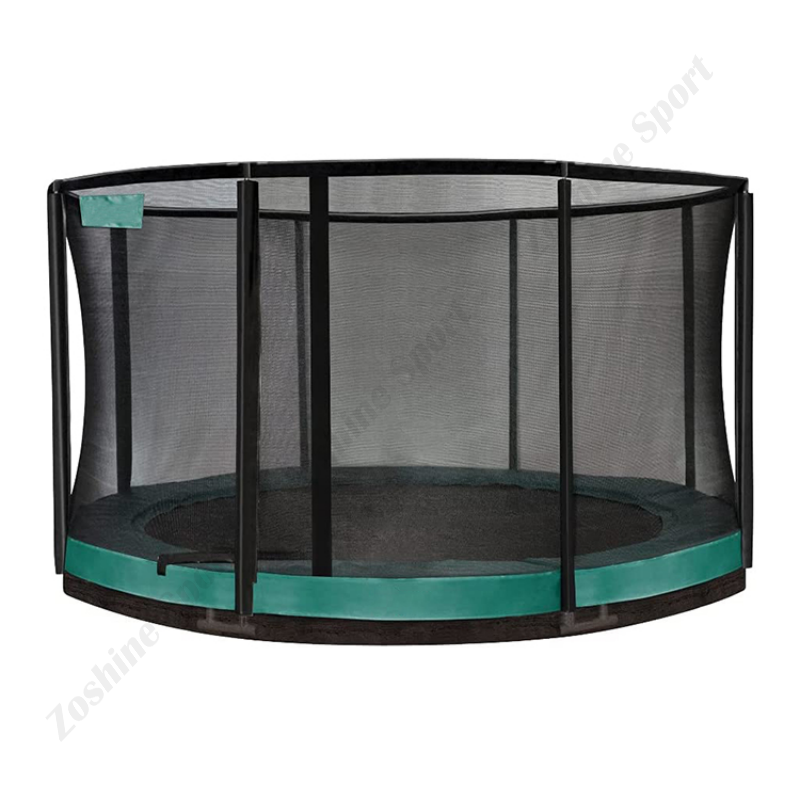
The human body relies on effective lymphatic circulation and joint preservation to maintain long-term health and mobility, yet many popular cardiovascular exercises unintentionally compromise these systems. While jogging has long been promoted as a foundational fitness activity, emerging research and biomechanical analysis reveal that a rebounder trampoline delivers superior benefits for lymphatic drainage and joint protection through its unique movement mechanics. This distinction stems from fundamental differences in impact forces, gravitational acceleration patterns, and cellular-level stimulation that occur during rebounding versus ground-based running.
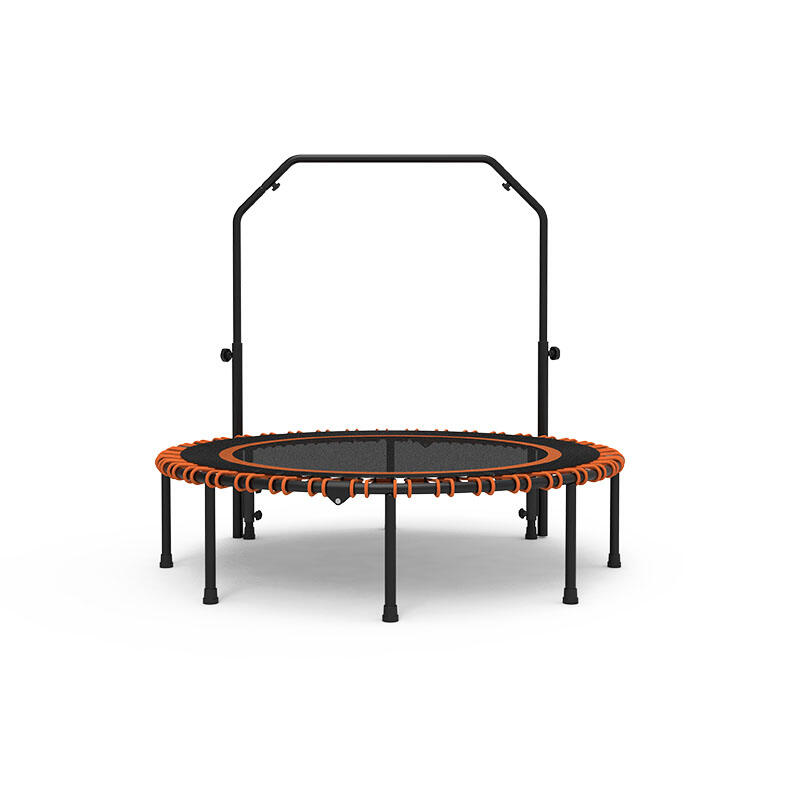
Understanding why rebounding outperforms jogging in these specific health dimensions requires examining the physiological mechanisms activated during exercise on elastic surfaces. The rebounder trampoline creates a controlled environment where vertical acceleration, deceleration, and weightlessness cycles interact with biological systems in ways that amplify lymphatic flow while simultaneously reducing mechanical stress on cartilage, tendons, and bone structures. These advantages make rebounding particularly valuable for individuals seeking cardiovascular conditioning without the cumulative joint damage associated with repetitive pavement pounding.
The Biomechanical Foundation of Reduced Joint Impact
Force Distribution Patterns During Rebounding Versus Jogging
The primary reason a rebounder trampoline produces less joint stress lies in how impact forces distribute through the musculoskeletal system. When jogging on solid ground, each foot strike generates impact forces ranging from two to five times body weight, depending on running speed and technique. These forces concentrate at contact points—the heel or forefoot—and transmit directly through the ankle, knee, hip, and spine with minimal absorption. The rigid surface provides no mechanical cushioning, forcing joints and connective tissues to absorb the entire shock load with each stride.
In contrast, the elastic mat of a rebounder trampoline extends the deceleration phase when your feet contact the surface. This extended contact time allows the same kinetic energy to dissipate over a longer duration, dramatically reducing peak force magnitude. Research indicates that rebounding can reduce impact forces by sixty to eighty percent compared to jogging on concrete or asphalt. The trampoline mat flexes downward, converting downward momentum into elastic potential energy before returning it during the upward phase, creating a force curve that never approaches the sharp spikes characteristic of ground running.
Joint Loading Mechanics and Cartilage Preservation
Articular cartilage in weight-bearing joints functions optimally under moderate, rhythmic loading rather than repetitive high-impact stress. The soft tissue covering bone surfaces within joints lacks direct blood supply, obtaining nutrients through diffusion driven by compression and decompression cycles. Excessive impact forces can micro-fracture cartilage matrix, accelerate degradation, and trigger inflammatory responses that contribute to osteoarthritis development over time. Studies tracking long-distance runners show measurably higher rates of knee and hip cartilage thinning compared to non-runners of similar age and body composition.
The rebounder trampoline provides the mechanical loading necessary for cartilage health maintenance while keeping forces within the physiological range that promotes tissue adaptation rather than breakdown. The smooth acceleration patterns during rebounding create compression phases that facilitate nutrient exchange without exceeding the damage threshold. This balance proves especially important for individuals with existing joint concerns, post-injury recovery scenarios, or age-related cartilage changes who require cardiovascular exercise that supports rather than compromises joint longevity.
Muscle Activation Patterns and Joint Stabilization
The unstable surface of a rebounder trampoline activates proprioceptive feedback systems and engages stabilizing muscle groups differently than jogging on stable ground. During each bounce, the body must continuously adjust balance through micro-corrections involving core muscles, ankle stabilizers, and deep postural muscles. This constant engagement creates a distributed workload across multiple muscle groups rather than concentrating stress on specific joints. The enhanced muscle activation around joints provides dynamic stabilization that reduces shear forces on ligaments and cartilage during movement.
Jogging on fixed surfaces primarily relies on repetitive concentric and eccentric contractions of major muscle groups in a predictable pattern. While this builds specific muscle endurance, it creates compensation patterns where certain structures absorb disproportionate stress. The varied movement demands of rebounding distribute mechanical loads more evenly throughout the kinetic chain, reducing the likelihood of overuse injuries that plague many joggers. This principle explains why individuals transitioning to rebounder trampoline workouts often report decreased chronic pain in previously problematic joints despite maintaining or increasing exercise intensity.
Lymphatic System Stimulation Through Gravitational Acceleration
Understanding Lymphatic Flow Mechanics and Exercise Requirements
The lymphatic system operates without a central pump like the heart, relying instead on muscle contractions, breathing movements, and arterial pulsations to propel lymph fluid through vessel networks. This passive system removes cellular waste products, transports immune cells, and maintains fluid balance in tissues throughout the body. Lymph vessels contain one-way valves that prevent backflow, but sluggish circulation allows metabolic waste accumulation, contributing to inflammation, impaired immune function, and tissue edema. Effective lymphatic drainage requires rhythmic muscle contractions combined with changes in hydrostatic pressure that create the pumping action necessary to move fluid against gravity.
Cardiovascular exercise stimulates lymphatic flow through increased muscle activity and elevated respiration rates, but not all exercise modalities produce equal lymphatic benefits. The magnitude and rhythm of mechanical forces applied to tissues directly influence the efficiency of lymph propulsion through vessels. Research demonstrates that exercises incorporating vertical acceleration changes—particularly those creating brief weightless phases—generate significantly stronger lymphatic pumping compared to horizontal movement patterns at constant velocity. This principle establishes the theoretical foundation for why rebounding produces superior lymphatic effects compared to jogging.
Gravitational Acceleration Cycles Unique to Rebounding
Each bounce on a rebounder trampoline creates a complete acceleration cycle involving three distinct phases that uniquely stimulate lymphatic circulation. At the bottom of each bounce, the body experiences increased gravitational force—up to two or three times normal gravity—as the elastic mat decelerates downward motion. This increased G-force compresses cells and tissues, creating positive pressure that pushes lymph fluid through vessels. As the mat rebounds and propels the body upward, gravitational force decreases progressively until reaching the apex of the bounce, where momentary weightlessness occurs.
This weightless phase proves critical for lymphatic drainage because it releases compression on tissues and vessels, allowing them to expand and draw in fresh lymph fluid from surrounding tissues. The alternating compression and decompression cycles function like a full-body pump, forcing lymph through the one-way valves with each bounce. A typical rebounding session may involve several thousand bounce cycles, translating to thousands of lymphatic pumping actions distributed throughout the entire body. The vertical orientation of this acceleration aligns optimally with the direction of lymph flow returning from extremities toward central circulation, enhancing efficiency beyond what horizontal movement patterns achieve.
Cellular-Level Lymphatic Stimulation and Waste Removal
The alternating gravitational forces during rebounder trampoline exercise affect individual cells in ways that facilitate metabolic waste removal and nutrient delivery. During the increased G-force phase, cell membranes experience compression that helps expel waste products into interstitial fluid surrounding cells. During the weightless phase, reduced pressure allows cells to expand slightly, drawing in nutrients and oxygen from surrounding fluid. This rhythmic compression-expansion cycle enhances the rate of material exchange across cell membranes, improving cellular function and tissue health throughout the body.
Jogging produces consistent gravitational loading without significant weightless phases, limiting the pumping effect on lymphatic vessels. While running does increase muscle contractions that assist lymphatic flow, it lacks the cyclical pressure variations that make rebounding so effective for systemic lymph circulation. The continuous ground contact during jogging maintains relatively constant gravitational force on the body, missing the beneficial decompression phase that allows lymphatic vessels to refill efficiently. Studies measuring lymphocyte counts and lymph flow rates before and after different exercise modalities consistently show greater increases following rebounding sessions compared to equivalent-duration jogging workouts.
Physiological Advantages for Specific Health Conditions
Benefits for Individuals with Joint Conditions and Injuries
People managing osteoarthritis, previous joint injuries, or chronic pain conditions face a difficult paradox—they need regular exercise to maintain joint function and overall health, yet many exercise forms aggravate existing problems. Traditional recommendations often include low-impact options like swimming or cycling, but these activities may not provide the weight-bearing stimulus necessary for bone density maintenance or the cardiovascular intensity many individuals require. The rebounder trampoline bridges this gap by delivering significant cardiovascular challenge while maintaining forces below the threshold that triggers pain or accelerates joint degradation.
Clinical observations indicate that patients with knee osteoarthritis who transition from jogging to rebounding frequently report decreased pain levels, reduced inflammation markers, and improved functional capacity. The reduced impact forces prevent the repetitive microtrauma that contributes to inflammatory flare-ups, while the maintained activity level supports cartilage nutrition and synovial fluid circulation within joints. This makes rebounder trampoline exercise particularly valuable for maintaining fitness during rehabilitation phases or for long-term management of degenerative joint conditions where exercise adherence proves essential but must be balanced against joint protection.
Lymphatic Support for Immune Function and Recovery
Enhanced lymphatic drainage through rebounding provides benefits extending beyond fluid balance to include improved immune system function. Lymph vessels transport white blood cells throughout the body, and efficient lymphatic circulation ensures rapid immune cell deployment to sites of infection or tissue damage. The superior lymphatic stimulation from rebounder trampoline exercise accelerates the removal of pathogens, cellular debris, and inflammatory mediators from tissues, potentially reducing infection duration and supporting faster recovery from illness or injury.
Athletes and fitness enthusiasts using rebounding as part of recovery protocols report decreased muscle soreness and faster return to peak performance compared to passive recovery or jogging-based active recovery. The mechanism involves more efficient removal of metabolic waste products like lactic acid and inflammatory cytokines that accumulate in tissues following intense training. The gentle yet effective lymphatic pumping from rebounding sessions facilitates this clearance without imposing additional mechanical stress that might delay tissue repair. This recovery advantage makes rebounder trampoline workouts valuable not only as primary exercise but also as complementary activity supporting adaptation to other training modalities.
Cardiovascular Training Without Orthopedic Compromise
Achieving cardiovascular fitness requires elevating heart rate into training zones for sustained periods, traditionally accomplished through activities like jogging that impose cumulative stress on joints and connective tissues. For many individuals, particularly those over forty or with higher body mass, the orthopedic cost of accumulating jogging miles eventually limits training consistency or forces premature cessation of running programs. The rebounder trampoline solves this dilemma by enabling heart rate elevation comparable to moderate jogging while dramatically reducing mechanical wear on weight-bearing structures.
Exercise testing studies demonstrate that rebounding sessions maintaining equivalent heart rate ranges to jogging produce similar or superior cardiovascular adaptations including increased stroke volume, enhanced aerobic capacity, and improved heart rate recovery. The metabolic demand from continuous bouncing combined with the stabilization requirements creates sufficient physiological stress to drive cardiovascular improvement without the joint-degrading impact forces. This allows individuals to sustain cardiovascular training programs throughout their lifespan rather than facing the common trajectory of decreasing exercise capacity due to accumulated orthopedic damage from years of high-impact activity.
Practical Implementation and Exercise Protocol Design
Optimizing Bounce Technique for Maximum Lymphatic and Joint Benefits
Proper rebounding technique maximizes both lymphatic stimulation and joint protection while minimizing injury risk. The optimal bounce pattern involves moderate intensity where feet leave the mat surface slightly during the upward phase but do not achieve excessive height. High bounces increase impact forces during landing, partially negating the joint-protective advantages of the elastic surface. Instead, maintaining a controlled rhythm with consistent bounce amplitude between six to twelve inches creates the ideal gravitational acceleration cycle for lymphatic pumping while keeping forces within the protective range for joints.
Body position during rebounding significantly affects force distribution and exercise effectiveness. Maintaining an upright posture with core engagement distributes compression forces evenly through the spine rather than concentrating stress on individual vertebrae. Soft knees during landing allow the leg muscles to absorb remaining forces through controlled eccentric contraction rather than transmitting shock directly to joint surfaces. Arm movements coordinated with bounce rhythm enhance balance and add upper body muscle engagement, distributing the exercise workload throughout the entire kinetic chain and further protecting lower body joints from excessive loading.
Session Duration and Frequency for Therapeutic Effects
Research examining lymphatic flow rates indicates that measurable increases begin within five to ten minutes of rebounding and continue accumulating throughout sessions lasting twenty to thirty minutes. For individuals primarily seeking lymphatic drainage benefits, shorter daily sessions of ten to fifteen minutes may prove more effective than longer intermittent workouts because they maintain elevated lymphatic circulation throughout the day. The gentle nature of rebounder trampoline exercise allows daily use without the recovery demands associated with high-impact jogging, making frequent short sessions a practical approach for most individuals.
Those using rebounding as primary cardiovascular training should target sessions of twenty to forty minutes at intensities that elevate heart rate into aerobic training zones, typically sixty to eighty percent of maximum heart rate. This duration and intensity combination provides sufficient stimulus for cardiovascular adaptation while remaining well below the cumulative load that triggers overuse injuries in jogging programs. Beginners should start with shorter durations of five to ten minutes and progressively increase as conditioning improves and movement patterns become more efficient. The forgiving nature of the elastic surface allows gradual progression without the sharp threshold between safe training and injury risk that characterizes rigid-surface running.
Integration with Comprehensive Fitness Programs
While rebounder trampoline exercise delivers distinct advantages for lymphatic drainage and joint preservation, optimal fitness requires varied movement patterns that develop different physical capacities. Rebounding excels as a cardiovascular foundation and recovery modality but should complement rather than completely replace other training forms. Strength training maintains muscle mass and bone density, flexibility work preserves range of motion, and skill-based activities develop coordination and cognitive function. The rebounder trampoline fits naturally into periodized programs as the primary aerobic component, particularly for individuals with joint concerns that limit other options.
Athletes recovering from injury or managing chronic conditions often use rebounding during rehabilitation phases when returning to sport-specific training. The graduated loading it provides allows maintenance of cardiovascular fitness and lymphatic circulation without risking re-injury from premature return to high-impact activities. As healing progresses, rebounding intensity can increase and eventually transition back to sport-specific movements. This staged approach reduces the common pattern of boom-and-bust training where excessive enthusiasm for returning to previous activity levels leads to setback cycles. The sustainable nature of rebounder trampoline workouts supports long-term exercise adherence, the single most important factor determining health outcomes from physical activity programs.
FAQ
Can rebounding completely replace jogging for cardiovascular fitness?
Rebounding on a rebounder trampoline can serve as a complete cardiovascular training substitute for jogging, particularly for individuals concerned about joint preservation or seeking enhanced lymphatic benefits. Research demonstrates that rebounding sessions maintaining comparable heart rate intensities produce equivalent or superior cardiovascular adaptations including improved aerobic capacity, stroke volume increases, and enhanced metabolic efficiency. The primary consideration involves personal preference and specific training goals rather than physiological limitations. Athletes requiring sport-specific running mechanics for competition may need to include some ground-based running despite its higher joint stress, while general fitness enthusiasts can achieve comprehensive cardiovascular conditioning exclusively through rebounding combined with other varied movement patterns.
How quickly do lymphatic drainage improvements become noticeable with regular rebounding?
Many individuals report subjective improvements in fluid retention and tissue swelling within one to three weeks of consistent rebounder trampoline use, though objective lymphatic function changes begin occurring during the first session. The immediate mechanical pumping effect increases lymph flow rates within minutes of starting exercise, but the cumulative benefits that produce noticeable changes in chronic edema, immune function, or tissue quality require sustained practice. Those with significantly compromised lymphatic systems due to surgery, medical conditions, or prolonged inactivity may require four to eight weeks of regular rebounding before observing substantial changes. The timeline varies based on baseline lymphatic function, session frequency and duration, overall health status, and concurrent factors like hydration status and dietary choices that influence lymphatic efficiency.
What features should I prioritize when selecting a rebounder trampoline for therapeutic use?
The most critical feature for therapeutic rebounder trampoline applications involves mat tension and spring system quality, which determine the force absorption characteristics and bounce consistency. Higher-quality springs or bungee cord systems provide more progressive resistance that extends deceleration phases and reduces peak forces, maximizing joint protection while maintaining effective lymphatic stimulation. Frame stability proves essential for safety and proper biomechanics, particularly for users with balance concerns or during higher-intensity workouts. A larger mat diameter, typically forty to forty-eight inches, offers greater movement freedom and reduces the likelihood of stepping off-center, which can create uneven loading patterns. Additional considerations include handlebar availability for stability assistance, mat material durability that maintains consistent performance over time, and noise levels if home use requires minimizing disturbance to others.
Are there any contraindications or situations where rebounding should be avoided?
While rebounder trampoline exercise offers significant advantages over jogging for most populations, certain medical conditions warrant caution or contraindicate rebounding entirely. Individuals with severe osteoporosis face increased fracture risk from any weight-bearing activity, though the reduced impact forces of rebounding make it safer than jogging if cleared by healthcare providers. Those with recent surgical interventions, particularly abdominal or pelvic surgeries, should avoid rebounding until tissues heal sufficiently to withstand increased intra-abdominal pressure changes. Pregnancy in later stages may make balance maintenance difficult, though early pregnancy rebounding typically poses no concerns. People with acute injuries, severe cardiovascular conditions, or detached retina history should consult medical professionals before beginning rebounding programs. Most individuals with joint conditions, lymphatic concerns, or general fitness goals find rebounding safer and more sustainable than jogging, but professional guidance ensures appropriate exercise selection for specific health circumstances.
Table of Contents
- The Biomechanical Foundation of Reduced Joint Impact
- Lymphatic System Stimulation Through Gravitational Acceleration
- Physiological Advantages for Specific Health Conditions
- Practical Implementation and Exercise Protocol Design
-
FAQ
- Can rebounding completely replace jogging for cardiovascular fitness?
- How quickly do lymphatic drainage improvements become noticeable with regular rebounding?
- What features should I prioritize when selecting a rebounder trampoline for therapeutic use?
- Are there any contraindications or situations where rebounding should be avoided?