
 EN
EN
Professional fitness equipment buyers face a critical challenge when sourcing trampolines for their brands: finding a manufacturing partner that delivers consistent quality, reliable production capacity, and proven expertise in meeting commercial-grade standards. The decision to trust a leading fitness trampoline factory for OEM orders stems from measurable factors that directly impact product performance, brand reputation, and long-term profitability. Understanding why industry buyers consistently choose top-tier manufacturers reveals the strategic advantages that separate exceptional production partnerships from merely adequate suppliers.
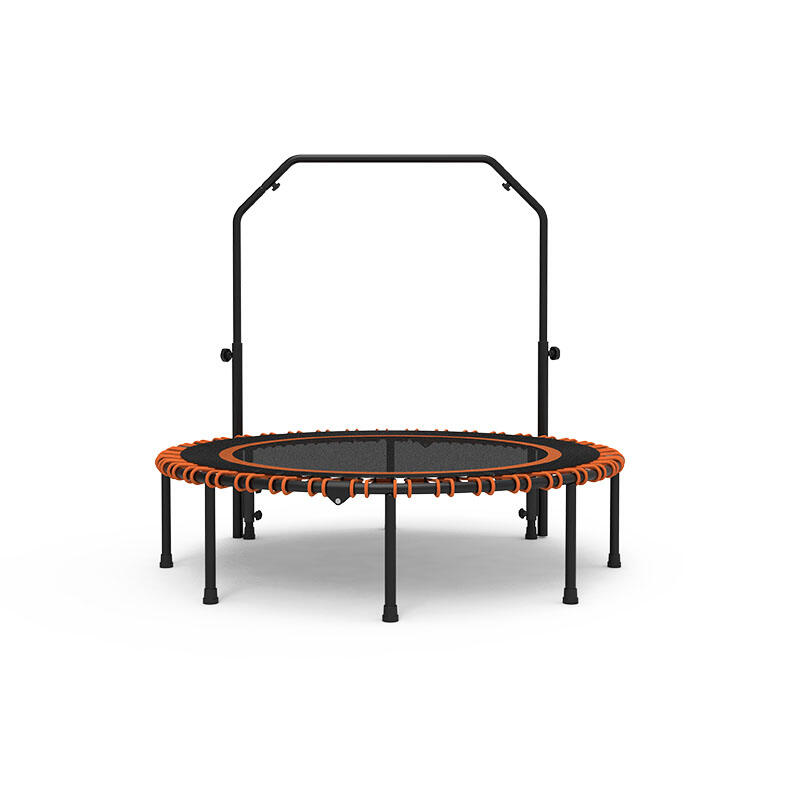
The reputation of a fitness trampoline factory in professional procurement circles is built on verifiable production credentials, engineering capabilities, and operational consistency that smaller or less specialized manufacturers cannot replicate. For buyers managing procurement portfolios worth hundreds of thousands or millions of dollars, the choice of manufacturing partner carries implications beyond unit cost—it affects warranty claims, customer satisfaction rates, market entry timelines, and competitive positioning. This article examines the specific reasons professional fitness buyers place their trust in leading trampoline manufacturing facilities for OEM partnerships.
Proven Manufacturing Excellence and Quality Control Systems
Advanced Production Infrastructure and Technology Integration
A top-ranked fitness trampoline factory invests substantially in automated production lines, precision engineering equipment, and quality monitoring systems that ensure consistent output across large production runs. Professional buyers recognize that manufacturers with modern infrastructure can maintain tighter tolerances on critical components such as spring tension, frame geometry, and mat elasticity. These technical parameters directly influence product safety, user experience, and durability under commercial use conditions. Facilities equipped with computer-controlled cutting systems, robotic welding stations, and automated tension testing apparatus deliver measurably superior consistency compared to manually operated production environments.
The integration of quality management software throughout the production process allows leading manufacturers to track every component from raw material receipt through final assembly and packaging. This digital traceability provides buyers with documentation that supports regulatory compliance, facilitates batch tracking for warranty management, and enables rapid root-cause analysis if quality issues emerge. Professional procurement teams value this systematic approach because it reduces their own quality assurance workload and minimizes the risk of receiving non-conforming shipments that disrupt inventory planning.
Multi-Stage Testing Protocols and Certification Standards
The most trusted fitness trampoline factory operations implement comprehensive testing regimens that exceed minimum industry standards, subjecting products to endurance cycling, impact load testing, structural stress analysis, and environmental conditioning before approval for shipment. Professional buyers understand that these rigorous protocols translate directly into lower field failure rates and reduced warranty expense. Manufacturers that maintain in-house testing laboratories staffed by qualified engineers can validate product performance claims with empirical data rather than relying solely on supplier certifications for components.
Compliance with international safety standards such as ASTM F381 for trampolines and relevant European EN standards demonstrates a manufacturer's commitment to meeting diverse market requirements. Leading facilities maintain current certifications and undergo regular third-party audits that verify ongoing conformance. For buyers entering multiple geographic markets, partnering with a fitness trampoline factory that already holds recognized certifications eliminates the need for separate qualification processes in each jurisdiction and accelerates market entry timelines.
Material Quality Verification and Supply Chain Control
Professional buyers recognize that a reputable fitness trampoline factory exercises stringent control over its supply chain, qualifying material suppliers through technical audits and maintaining approved vendor lists that ensure consistent input quality. Critical materials such as galvanized steel tubing, high-tensile springs, UV-resistant polypropylene mat fabric, and protective foam padding must meet specific performance criteria to deliver the safety margins and longevity expectations of commercial fitness applications. Top manufacturers conduct incoming material inspections using calibrated testing equipment to verify that supplier certifications match actual material properties.
The decision to vertically integrate certain component production—such as spring manufacturing or foam fabrication—gives leading factories greater control over quality variables that affect final product performance. This integration strategy appeals to professional buyers because it reduces dependencies on external suppliers whose quality fluctuations could compromise brand reputation. When a fitness trampoline factory produces its own critical components, buyers gain assurance that proprietary specifications remain protected and that production capacity can scale more predictably during demand surges.
Specialized Engineering Expertise and Customization Capabilities
Application-Specific Design Knowledge for Commercial Environments
The engineering teams at leading fitness trampoline factory facilities possess deep expertise in designing products specifically for commercial fitness applications, where usage intensity, safety requirements, and maintenance considerations differ substantially from residential models. Professional buyers seek partners who understand that gymnasium trampolines must withstand thousands of repetitions weekly, accommodate users across wide weight ranges, and maintain performance characteristics despite minimal maintenance attention. This specialized knowledge informs critical design decisions regarding frame reinforcement, spring configuration, mat thickness, and handle stability.
Experienced manufacturers maintain detailed performance databases that correlate design parameters with field performance outcomes, enabling them to recommend optimal specifications for different use cases such as group fitness classes, rehabilitation facilities, or boutique studios. This consultative approach helps buyers avoid over-specifying products that inflate costs unnecessarily or under-specifying designs that lead to premature wear and customer dissatisfaction. The ability to leverage a manufacturer's accumulated design intelligence represents substantial value beyond simple unit cost considerations.
OEM Customization Flexibility and Prototyping Support
Professional buyers value a fitness trampoline factory that demonstrates genuine flexibility in accommodating brand-specific customization requests while maintaining production efficiency. Leading manufacturers have developed modular design platforms that allow variation in visible branding elements, color schemes, handle configurations, and accessory integration without requiring complete retooling of production lines. This approach balances the buyer's need for product differentiation with the manufacturer's imperative to maintain cost-effective production processes.
The availability of rapid prototyping services enables buyers to evaluate physical samples before committing to large production runs, reducing the risk of specification mismatches that could necessitate costly redesigns or inventory write-offs. Top-tier fitness trampoline factory partners maintain dedicated prototype fabrication capabilities that can produce small batches for market testing, trade show display, or retailer evaluation without disrupting main production schedules. This service level proves particularly valuable for brands launching new product lines or entering unfamiliar market segments where customer preferences may differ from established patterns.
Technical Documentation and Assembly Optimization
A professional-grade fitness trampoline factory provides comprehensive technical documentation that supports efficient product assembly, maintenance, and troubleshooting across the distribution chain. Detailed assembly instructions with clear diagrams, component identification guides, and maintenance schedules reduce support burden for buyers and their downstream customers. Leading manufacturers also consider packaging design as an integral part of product engineering, optimizing carton dimensions for shipping container efficiency while ensuring adequate protection during transit.
The ability to modify product designs for improved assembly efficiency represents another dimension of manufacturing expertise that professional buyers appreciate. Manufacturers who proactively suggest design refinements that reduce assembly time, eliminate special tools, or minimize potential assembly errors add tangible value by reducing labor costs throughout the supply chain and improving end-user satisfaction. This systems-level thinking distinguishes top fitness trampoline factory partners from transactional suppliers focused solely on production volume.
Production Capacity Reliability and Scalability Assurance
Consistent Output Volume and Delivery Performance
Professional buyers require manufacturing partners who can reliably deliver agreed-upon quantities on established schedules, particularly during peak selling seasons when delayed shipments translate directly into lost revenue opportunities. A leading fitness trampoline factory maintains sufficient production capacity to absorb normal demand variations without requiring extended lead times or compromising quality through rushed production. Buyers evaluate potential partners on their track record of on-time delivery performance, typically requesting references from existing clients and reviewing capacity utilization data.
The presence of backup production lines and redundant critical equipment demonstrates a manufacturer's commitment to maintaining delivery commitments even when unexpected equipment failures or maintenance events occur. Professional procurement teams understand that production interruptions happen, but they prioritize partners who have implemented contingency plans that minimize disruption to customer delivery schedules. A fitness trampoline factory with demonstrated resilience in managing production challenges earns trust that translates into long-term partnership stability.
Scalability for Growth and Market Expansion
As fitness brands grow and expand into new markets, they need manufacturing partners capable of scaling production volume without sacrificing quality or extending lead times proportionally. Top fitness trampoline factory operations maintain expansion capacity either through unutilized production shifts, modular production cell designs that can be replicated, or established relationships with qualified contract manufacturers who can absorb overflow volume while maintaining quality standards. This scalability assurance allows buyers to pursue aggressive growth strategies without fear that manufacturing constraints will limit market opportunity.
The willingness of a fitness trampoline factory to invest in additional capacity specifically to support a buyer's growth plans signals commitment to long-term partnership rather than transactional opportunism. Professional buyers evaluate potential partners on their capital investment patterns, production expansion history, and strategic planning horizon. Manufacturers who demonstrate proactive capacity planning aligned with their customers' market projections earn preferential status in sourcing decisions and often receive earlier commitment to volume forecasts that facilitate more efficient production planning.
Inventory Management and Just-in-Time Capabilities
Modern fitness equipment buyers increasingly operate with lean inventory models that minimize working capital tied up in finished goods stock. A sophisticated fitness trampoline factory supports these strategies by offering flexible production scheduling, maintaining strategic buffer inventory for fast-moving SKUs, and coordinating shipment timing with buyer demand patterns. The ability to receive regular, smaller shipments rather than infrequent large containers helps buyers manage cash flow more effectively and respond more quickly to market demand shifts.
Leading manufacturers implement warehouse management systems that provide buyers with real-time visibility into production status and finished goods availability. This transparency enables more accurate demand forecasting and reduces the safety stock levels buyers must maintain to buffer against supply uncertainty. Professional procurement teams value partners who view inventory management as a collaborative process rather than simply pushing responsibility for stock holding onto customers through minimum order quantity requirements or inflexible production schedules.
Strategic Partnership Value Beyond Manufacturing
Market Intelligence and Product Development Insight
A well-established fitness trampoline factory serves numerous clients across diverse markets, accumulating valuable intelligence about emerging trends, competitive product developments, and shifting customer preferences. Professional buyers benefit from this market visibility when manufacturers share insights that inform product planning decisions, feature prioritization, and competitive positioning strategies. Leading suppliers function as strategic advisors who help buyers anticipate market shifts rather than merely reacting to explicit purchase orders.
The willingness to collaborate on new product development initiatives demonstrates a manufacturer's commitment to mutual growth rather than extractive relationship dynamics. Top fitness trampoline factory partners invest engineering resources in exploring innovative materials, novel construction techniques, or enhanced safety features that could provide competitive advantages for their customers. This collaborative approach to innovation creates value that extends well beyond price negotiations and positions the manufacturing relationship as a strategic asset rather than a commodity procurement activity.
Regulatory Compliance Support and Market Entry Facilitation
Navigating the complex regulatory landscape for fitness equipment across different markets requires specialized knowledge that many buyers lack internally. A reputable fitness trampoline factory maintains expertise in international safety standards, labeling requirements, documentation protocols, and certification processes that facilitate smooth market entry. Professional buyers value partners who proactively advise on compliance requirements and maintain current knowledge of regulatory changes that could affect product specifications or import procedures.
The availability of test reports, material safety data sheets, compliance declarations, and other documentation in formats required by various regulatory authorities saves buyers substantial time and eliminates potential market entry delays. Leading manufacturers maintain relationships with recognized testing laboratories and certification bodies that can expedite approval processes when entering new markets. This regulatory support infrastructure represents significant added value for buyers expanding internationally who would otherwise need to develop this expertise internally or engage expensive consultants.
Long-Term Cost Predictability and Value Engineering
Professional buyers recognize that the lowest initial unit price rarely represents the best total cost of ownership over a product's lifecycle. A trusted fitness trampoline factory partner engages in value engineering exercises that identify opportunities to reduce production costs through material substitutions, process improvements, or design refinements without compromising performance or safety. This collaborative approach to cost management creates sustainable competitive advantages rather than one-time price concessions that prove unsustainable over time.
Transparent cost structures and stable pricing relationships enable buyers to forecast product costs more accurately over multi-year planning horizons. Leading manufacturers avoid volatile pricing behavior driven by short-term capacity utilization or opportunistic margin expansion during supply shortages. Instead, they maintain pricing stability based on documented cost drivers and negotiate reasonable adjustments tied to verifiable changes in material costs or labor rates. This predictability supports more confident business planning and reduces the need for frequent re-sourcing evaluations that consume procurement resources.
FAQ
What distinguishes a leading fitness trampoline factory from smaller manufacturers in terms of OEM capabilities?
Leading fitness trampoline factory operations typically maintain significantly greater engineering resources, advanced quality control systems, broader material sourcing networks, and more sophisticated production planning capabilities compared to smaller manufacturers. These differences translate into more consistent product quality across large production runs, greater flexibility to accommodate customization requests without production delays, better ability to scale volume as buyer needs grow, and more comprehensive technical support throughout the product lifecycle. Top manufacturers also maintain current certifications for multiple international markets and possess established relationships with testing laboratories that facilitate regulatory compliance for buyers entering new geographic regions.
How does working with an established fitness trampoline factory reduce total cost of ownership beyond unit price?
Beyond competitive unit pricing, established fitness trampoline factory partners reduce total cost of ownership through lower defect rates that minimize warranty expense, more reliable delivery performance that reduces safety stock requirements, comprehensive technical documentation that lowers assembly and support costs, proactive value engineering that identifies cost reduction opportunities without performance compromise, and regulatory compliance support that eliminates external consulting expenses. Additionally, the production stability and consistent quality of leading manufacturers reduce the hidden costs associated with customer complaints, returns processing, and brand reputation damage that can result from quality issues with lesser-known suppliers.
What production capacity indicators should buyers evaluate when selecting a fitness trampoline factory partner?
Professional buyers should assess several capacity-related factors including current utilization rates to ensure the manufacturer has bandwidth for new business, the presence of multiple production lines that provide redundancy against equipment failures, evidence of recent capital investments in production equipment indicating commitment to capacity maintenance, the manufacturer's largest client concentration to avoid situations where one customer dominates capacity, seasonal demand patterns and how the factory manages peak period requirements, and the manufacturer's track record of on-time delivery performance with existing customers. Buyers should also evaluate whether the fitness trampoline factory maintains strategic inventory buffers and offers flexible scheduling options that support just-in-time delivery models.
How important is vertical integration in a fitness trampoline factory for OEM buyers?
Vertical integration offers meaningful advantages for OEM buyers when it encompasses critical components that significantly affect product performance, safety, or differentiation. A fitness trampoline factory that manufactures its own springs can maintain tighter control over tension specifications and metallurgical consistency, while in-house foam fabrication ensures protective padding meets exact density and compression requirements. However, complete vertical integration is less important than strategic control over quality-critical components combined with rigorous supplier qualification processes for other materials. Buyers should evaluate whether a manufacturer's integration strategy actually enhances quality control and production flexibility rather than simply adding operational complexity without corresponding value creation.
Table of Contents
- Proven Manufacturing Excellence and Quality Control Systems
- Specialized Engineering Expertise and Customization Capabilities
- Production Capacity Reliability and Scalability Assurance
- Strategic Partnership Value Beyond Manufacturing
-
FAQ
- What distinguishes a leading fitness trampoline factory from smaller manufacturers in terms of OEM capabilities?
- How does working with an established fitness trampoline factory reduce total cost of ownership beyond unit price?
- What production capacity indicators should buyers evaluate when selecting a fitness trampoline factory partner?
- How important is vertical integration in a fitness trampoline factory for OEM buyers?