
 EN
EN
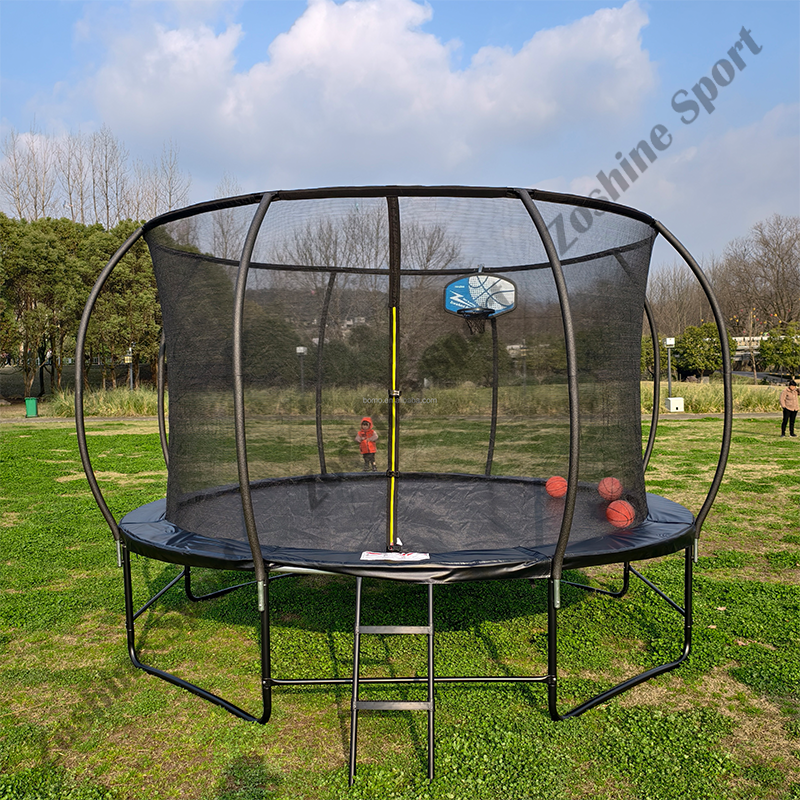
For international buyers seeking fitness trampolines and rebounders, identifying a reliable Chinese rebounder trampoline supplier that balances quality certification, flexible order quantities, and cost efficiency represents a critical procurement decision. The fitness equipment market has evolved significantly, with buyers increasingly demanding suppliers who can demonstrate compliance with international safety standards like ASTM and CE while accommodating smaller initial orders. This requirement becomes particularly important for new market entrants, boutique fitness studios, e-commerce retailers, and brands testing product-market fit before committing to large-scale inventory investments. Understanding which suppliers can meet these dual requirements of certified materials and low minimum order quantities (MOQ) requires examining supplier capabilities, certification processes, manufacturing infrastructure, and trade practices that distinguish professional manufacturers from commodity producers.
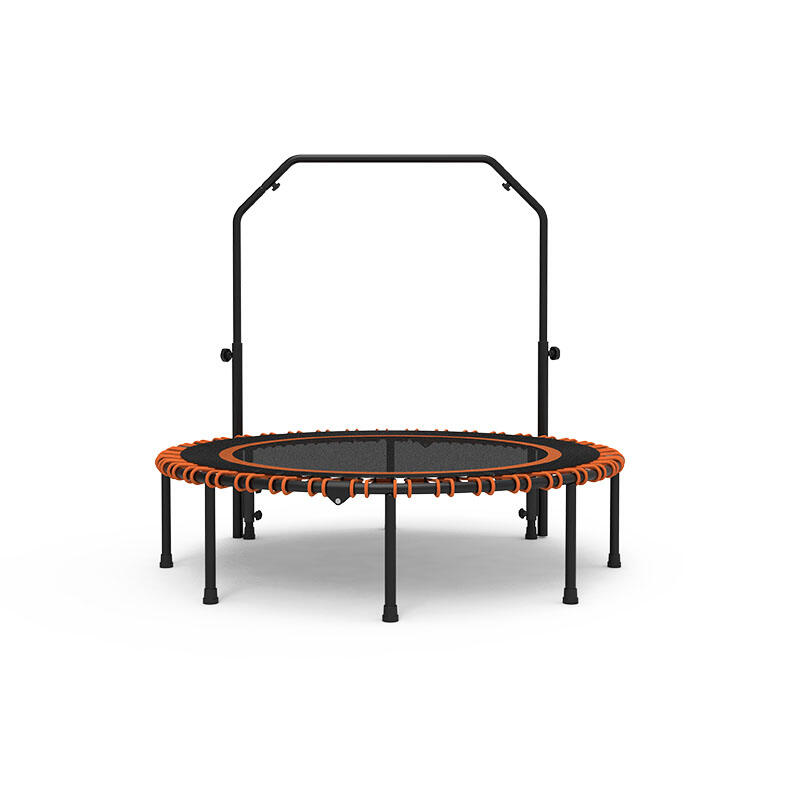
The Chinese fitness equipment manufacturing sector contains thousands of suppliers with varying capabilities, but only a select group maintains the technical infrastructure and quality systems necessary to produce certified fitness trampolines while offering flexible MOQ terms. Traditional wholesale models typically require substantial minimum orders ranging from 500 to 1000 units per SKU, creating barriers for smaller buyers. However, specialized manufacturers focusing on B2B exports have adapted their production planning and inventory management to serve international clients with order quantities starting from 50 to 100 units, particularly when those buyers prioritize certified materials and long-term partnership potential. The key lies in identifying suppliers whose business models, factory scale, and market positioning align with both quality certification maintenance and flexible order accommodation, rather than pursuing mass-market producers focused solely on volume.
Understanding Certification Requirements for Rebounder Trampolines
ASTM Safety Standards for Fitness Trampolines
The American Society for Testing and Materials (ASTM) establishes critical safety benchmarks for fitness trampolines sold in North American markets, with ASTM F381 and F2225 standards addressing structural integrity, material durability, and user safety specifications. When evaluating a Chinese rebounder trampoline supplier, buyers must verify that jumping mat materials, spring systems, frame construction, and protective padding all meet prescribed testing protocols. ASTM certification requires independent laboratory testing of components including tensile strength measurements for jumping surfaces, corrosion resistance testing for metal frames, and impact absorption testing for safety pads. Suppliers maintaining ASTM compliance typically work with accredited testing laboratories and can provide test reports specific to their product lines, demonstrating that materials sourced and manufacturing processes employed consistently meet these standards.
A qualified Chinese rebounder trampoline supplier invested in ASTM certification will maintain documented material specifications, supplier qualification processes for component manufacturers, and quality control procedures that ensure every production batch meets tested standards. This includes using polypropylene jumping mats with specific denier ratings, galvanized steel frames meeting thickness and coating requirements, and foam padding with verified density specifications. The certification process extends beyond final product testing to encompass raw material verification, in-process quality checks, and finished goods inspection protocols. Buyers should request copies of ASTM test reports, material certificates of compliance, and documentation showing the supplier's quality management system includes provisions for maintaining certification standards across production runs, particularly when placing smaller initial orders that might not receive the same scrutiny as large-volume contracts.
European CE Marking and EN Standards Compliance
CE marking indicates conformity with European health, safety, and environmental protection standards, with fitness trampolines falling under the Machinery Directive and General Product Safety Directive requirements. For a Chinese rebounder trampoline supplier serving European markets, CE compliance typically involves meeting EN 913 standards for training equipment and EN 71 toy safety standards when products may be used by younger users. The CE marking process requires manufacturers to conduct risk assessments, implement technical documentation files, and often engage Notified Bodies for conformity assessment procedures. Unlike ASTM which focuses primarily on performance testing, CE compliance encompasses broader considerations including electromagnetic compatibility, material safety regarding restricted substances, and user instruction clarity.
Reputable suppliers offering low MOQ options while maintaining CE certification demonstrate sophisticated quality management capabilities, as European compliance requires ongoing documentation maintenance and periodic reassessment rather than one-time testing. This includes maintaining technical files containing design specifications, manufacturing process descriptions, risk analysis documentation, and test reports from accredited European laboratories. When a Chinese rebounder trampoline supplier promotes CE certification, buyers should verify the supplier's Declaration of Conformity, confirm testing laboratory accreditation status, and review the technical documentation package. Suppliers genuinely committed to European market compliance will readily provide these documents and can explain how their material sourcing and manufacturing controls ensure ongoing conformity, which becomes particularly important for buyers placing smaller orders who need assurance that certification applies uniformly across all production quantities.
Evaluating Supplier Capabilities for Low MOQ Production
Manufacturing Infrastructure Supporting Flexible Order Quantities
The ability of a Chinese rebounder trampoline supplier to offer low minimum order quantities while maintaining certified material standards depends fundamentally on manufacturing infrastructure and production planning sophistication. Factories capable of economically producing smaller batches typically operate semi-automated or modular production lines that can switch between product specifications without extensive retooling downtime. This contrasts with fully automated mass production facilities optimized for single-SKU runs of thousands of units, where setup costs and efficiency losses make small orders economically prohibitive. Suppliers offering genuine low MOQ flexibility often maintain component inventory systems where certified materials for frames, springs, jumping mats, and safety padding are stocked in quantities sufficient to assemble various product configurations without requiring minimum component orders from their own suppliers.
When assessing a Chinese rebounder trampoline supplier's low MOQ capabilities, buyers should inquire about production batch scheduling, component inventory practices, and the supplier's typical order size distribution. Manufacturers serving diverse international clients with varying order volumes generally implement more sophisticated production planning systems compared to those focused exclusively on large wholesale contracts. These suppliers often produce popular configurations in anticipation of orders, maintaining finished goods inventory of core models that can be branded or customized with minimal additional production runs. The economic viability of low MOQ offerings also relates to the supplier's client portfolio composition—those serving multiple smaller buyers across different markets can aggregate demand to achieve production efficiency while accommodating individual order flexibility. Factory tours or detailed capability assessments should reveal whether the supplier's infrastructure genuinely supports flexible manufacturing or whether low MOQ claims represent exceptions requiring premium pricing that negates their practical value.
Quality Control Systems Applicable to Small Order Volumes
Maintaining ASTM and CE certified material standards across varying order sizes requires quality control systems that function consistently regardless of production volume. A professional Chinese rebounder trampoline supplier implements inspection protocols, testing procedures, and documentation practices that apply uniformly whether manufacturing 50 units or 5,000 units. This includes incoming material inspection verifying that components meet certification specifications, in-process quality checks during assembly, and final product inspection before shipping. Suppliers offering low MOQ should demonstrate that their quality management systems—ideally ISO 9001 certified—contain procedures ensuring small orders receive equivalent quality oversight as large-volume production runs, rather than treating smaller orders as secondary priorities with reduced inspection rigor.
Buyers evaluating a Chinese rebounder trampoline supplier for low MOQ certified production should request detailed information about sampling plans, inspection frequencies, and testing protocols applied to various order sizes. Quality-focused manufacturers maintain inspection records, testing data, and non-conformance tracking systems that provide transparency into their quality performance across different production contexts. The supplier's willingness to provide pre-shipment inspection access, third-party quality verification options, or detailed quality documentation packages indicates genuine commitment to maintaining standards regardless of order size. Additionally, suppliers with robust quality systems typically offer clear warranty terms and responsive after-sales support, which become particularly important for smaller buyers who may lack the negotiating leverage of large-volume purchasers but still require assurance that certified materials and manufacturing quality remain consistent.
Material Certification and Supply Chain Transparency
Raw Material Sourcing and Supplier Qualification
The foundation of ASTM and CE compliance begins with certified raw materials, making a Chinese rebounder trampoline supplier's material sourcing practices and component supplier qualification processes critically important. Professional manufacturers maintain approved supplier lists for key components including jumping mat fabrics, spring steel, foam padding materials, and protective coatings, with each component supplier required to provide material certificates, test reports, and compliance documentation. For fitness trampolines, this includes polypropylene mesh fabrics meeting specific tensile strength and UV resistance specifications, galvanized steel tubing with verified wall thickness and coating weight, and polyethylene foam padding with documented density and compression characteristics. Suppliers offering genuinely certified products can trace materials back to component manufacturers and provide documentation chains demonstrating compliance at each supply chain level.
When evaluating a Chinese rebounder trampoline supplier for low MOQ orders, buyers should inquire about material supplier relationships, component testing practices, and the documentation available for material verification. Reputable suppliers conduct periodic audits of component suppliers, maintain material test data on file, and can provide certificates of compliance for critical components upon request. This supply chain transparency becomes especially important for smaller orders, as buyers need confidence that cost efficiencies enabling low MOQ offerings do not come from sourcing lower-grade materials that fail certification standards. Questions about material origins, component testing frequencies, and supplier qualification criteria help distinguish manufacturers genuinely committed to certified materials from those making compliance claims without robust verification systems. Suppliers willing to provide detailed material specifications, component supplier information, and testing documentation demonstrate the transparency necessary for buyers requiring certified products in smaller quantities.
Testing Laboratory Relationships and Certification Maintenance
Ongoing certification maintenance requires a Chinese rebounder trampoline supplier to maintain active relationships with accredited testing laboratories and conduct periodic revalidation testing as materials, components, or manufacturing processes change. ASTM and CE compliance are not one-time achievements but ongoing commitments requiring regular testing, documentation updates, and quality system reviews. Professional suppliers partner with internationally recognized testing laboratories such as SGS, TUV, Intertek, or Bureau Veritas for product certification testing and often conduct internal testing using calibrated equipment for routine quality verification. The frequency and comprehensiveness of testing programs indicate the supplier's genuine commitment to certification maintenance versus superficial compliance claims based on outdated or limited testing.
Buyers seeking a Chinese rebounder trampoline supplier for low MOQ certified orders should request recent test reports, inquire about testing schedules, and verify the accreditation status of laboratories used for certification testing. Suppliers maintaining current certifications will have test reports dated within the past 12-24 months and can explain their testing protocols for new product introductions, material changes, or process modifications. The willingness to conduct additional testing for specific buyer requirements, facilitate third-party verification, or provide access to testing documentation demonstrates operational maturity and quality commitment. Additionally, suppliers with robust certification programs typically maintain technical staff familiar with testing standards, compliance requirements, and documentation procedures, providing buyers with knowledgeable contacts who can address specific certification questions and support due diligence processes necessary for informed supplier selection.
Business Models Enabling Low MOQ Offerings
Hybrid Production Strategies and Inventory Management
A Chinese rebounder trampoline supplier offering competitive low MOQ terms while maintaining certified materials typically employs hybrid production strategies combining made-to-order manufacturing with strategic inventory positioning. These suppliers analyze demand patterns across their customer base to identify popular configurations, sizes, and specifications that warrant pre-production inventory investment. By manufacturing core models in economic batch sizes and maintaining finished goods or semi-finished component inventory, they can fulfill smaller customer orders through inventory allocation and final customization rather than requiring full production runs for each order. This approach allows suppliers to offer flexibility to individual buyers while maintaining overall production efficiency through aggregated demand management.
The economic viability of low MOQ offerings also depends on the supplier's market positioning and customer portfolio composition. Manufacturers serving diverse international markets with multiple smaller buyers can aggregate individual orders to achieve production economies while offering each customer apparent flexibility. Some suppliers implement production scheduling where orders received within specific timeframes are batched together for manufacturing, allowing individual buyers to place smaller orders while the supplier achieves efficient production volumes. When evaluating a Chinese rebounder trampoline supplier for low MOQ capabilities, buyers should understand the supplier's inventory practices, production scheduling approach, and typical lead time requirements. Suppliers genuinely equipped for flexible ordering will have clear policies regarding inventory availability, custom order lead times, and any volume-based pricing structures, enabling buyers to make informed decisions about order quantities balancing cost efficiency with inventory investment.
Value-Added Services Supporting Smaller Buyers
Professional Chinese rebounder trampoline suppliers recognizing that low MOQ buyers often require additional support beyond basic manufacturing typically offer value-added services that facilitate successful market entry and business growth. These services may include customization options such as logo printing, packaging design, user manual development in multiple languages, and assembly instruction preparation tailored to target markets. For buyers entering new markets or launching branded product lines, suppliers offering design consultation, product configuration guidance, and market compliance support provide significant value beyond simply manufacturing products. The availability of these services indicates a supplier's orientation toward partnership relationships rather than transactional wholesale arrangements, which becomes particularly important for smaller buyers who may lack internal resources for product development, compliance management, and market preparation.
When selecting a Chinese rebounder trampoline supplier for low MOQ orders, buyers should evaluate the comprehensiveness of available support services and the supplier's willingness to invest in customer success. This includes flexible payment terms that accommodate smaller buyers' cash flow constraints, such as reasonable deposit requirements and staged payment schedules rather than demanding full prepayment. Quality-focused suppliers may offer sample programs, allowing buyers to evaluate product quality before committing to production orders, and provide detailed product photography, technical specifications, and marketing support materials. The supplier's communication capabilities, including responsive English-speaking sales and technical support staff, facilitate efficient collaboration and problem resolution. Additionally, experienced suppliers often provide guidance on logistics optimization, helping smaller buyers navigate shipping options, customs documentation, and delivery coordination to minimize total landed costs. These value-added capabilities distinguish strategic manufacturing partners from commodity suppliers, providing smaller buyers with resources necessary to successfully commercialize certified fitness trampolines in their target markets.
Practical Supplier Selection and Verification Process
Due Diligence Framework for Capability Assessment
Implementing a structured due diligence process helps buyers objectively evaluate Chinese rebounder trampoline supplier capabilities regarding certification maintenance and low MOQ accommodation. This assessment should begin with requesting comprehensive company information including business registration documentation, factory ownership structure, production facility details, and customer reference lists. Buyers should specifically request copies of current ASTM and CE test reports, quality management system certifications such as ISO 9001, and any relevant industry association memberships indicating professional standing. Video factory tours, when in-person visits prove impractical, provide valuable insights into manufacturing infrastructure, production organization, quality control implementation, and overall operational professionalism. Observing actual production processes, material storage practices, testing equipment, and quality inspection procedures helps verify that supplier claims align with operational reality.
The verification process for a Chinese rebounder trampoline supplier should include detailed technical discussions about specific certification requirements, material specifications, and quality assurance procedures applicable to the buyer's target market. Requesting detailed quotations that itemize costs for various order quantities, customization options, and value-added services reveals pricing transparency and helps assess the true economics of low MOQ ordering. Buyers should inquire about previous experience serving similar customers, requesting case studies or references from clients who have successfully placed smaller orders for certified products. Communication responsiveness, technical knowledge demonstrated by supplier representatives, and willingness to provide detailed documentation all serve as indicators of supplier reliability and capability. Additionally, buyers may consider engaging third-party verification services, sourcing agents familiar with fitness equipment manufacturing, or quality inspection companies to conduct independent factory audits and capability assessments, particularly when contemplating significant business relationships based on initial low MOQ trial orders.
Contract Terms and Quality Assurance Provisions
Formalizing relationships with a Chinese rebounder trampoline supplier through comprehensive purchase agreements protects buyers and establishes clear expectations regarding product specifications, quality standards, and order fulfillment terms. Contracts should explicitly reference applicable ASTM and CE standards, specify material requirements, and define acceptable quality levels with inspection criteria. For low MOQ orders, agreements should clarify minimum order quantities for initial and repeat orders, pricing structures for different volume levels, and any requirements for order frequency or total annual volume commitments. Payment terms, delivery schedules, and logistics responsibilities require clear definition, along with provisions addressing product defects, warranty coverage, and returns or replacements procedures. Well-structured contracts include intellectual property provisions protecting any custom designs, branding elements, or proprietary specifications developed for the buyer's products.
Quality assurance provisions within supplier agreements should specify inspection rights, testing requirements, and documentation obligations ensuring ongoing compliance with certified material standards. This may include requirements for the Chinese rebounder trampoline supplier to provide certificates of compliance with each shipment, maintain inspection records available for buyer review, and accommodate third-party inspection prior to shipment. Agreements should address how quality disputes will be resolved, define acceptable defect rates, and specify remediation procedures when products fail to meet specifications. For buyers concerned about maintaining consistent quality across multiple smaller orders, contracts can include provisions for periodic factory audits, material testing verification, and quality system reviews. Additionally, agreements should address confidentiality, exclusivity arrangements if applicable, and terms for relationship modification as order volumes potentially increase over time. Investing effort in comprehensive contract development provides legal protection while establishing professional relationship foundations that support long-term successful collaboration between buyers and suppliers.
FAQ
What typical minimum order quantity should buyers expect from Chinese rebounder trampoline suppliers offering certified products?
Chinese rebounder trampoline suppliers maintaining ASTM and CE certified materials while offering flexible ordering typically set minimum order quantities ranging from 50 to 200 units depending on product complexity, customization requirements, and whether orders involve existing inventory models or custom production runs. Suppliers with hybrid inventory strategies may offer lower minimums of 50-100 units for standard configurations maintained in stock, while custom specifications or unique branding requirements might require 150-200 unit minimums to justify production setup costs. Some manufacturers implement tiered pricing structures where smaller initial orders carry higher per-unit costs but allow buyers to test markets before committing to larger volumes with more favorable pricing. Buyers should clarify whether quoted MOQs represent per-SKU requirements or total order minimums across multiple product variations, as this significantly impacts practical ordering flexibility and inventory investment requirements.
How can buyers verify that a Chinese supplier's ASTM and CE certifications are legitimate and current?
Verifying certification authenticity requires requesting complete test report copies directly from the supplier and confirming details with the issuing testing laboratory. Legitimate ASTM and CE test reports include specific report numbers, testing dates, laboratory contact information, and detailed test results for each applicable standard requirement. Buyers should contact testing laboratories directly using independently verified contact information rather than details provided solely by the supplier to confirm report authenticity and currency. Accredited testing laboratories such as SGS, TUV, Intertek, and Bureau Veritas maintain verification systems where report authenticity can be confirmed through their official websites or customer service departments. Additionally, buyers should verify that test reports cover the specific product models being purchased rather than similar but different products, and confirm testing dates are recent enough to reflect current manufacturing practices, typically within the past 12-24 months for ongoing production items.
What red flags indicate a Chinese rebounder trampoline supplier may not reliably maintain certified material standards?
Warning signs suggesting potential certification or quality issues include reluctance to provide detailed test reports and material certificates, inability to explain specific testing standards and requirements, offering prices significantly below market averages that may indicate material cost-cutting, and unwillingness to accommodate third-party inspection or factory visits. Suppliers who cannot identify their component material suppliers, lack documented quality control procedures, or demonstrate poor communication and documentation practices likely lack the systematic quality management necessary for maintaining certification standards. Additionally, suppliers offering extremely low MOQs without clear explanation of their business model enabling such flexibility may be brokers rather than manufacturers, introducing additional supply chain risk and reduced quality control visibility. Buyers should be cautious of suppliers using generic product photos rather than actual factory and product images, making exaggerated capability claims without supporting evidence, or demonstrating limited technical knowledge when discussing certification requirements and material specifications.
Besides ASTM and CE certification, what other qualifications indicate a reliable Chinese rebounder trampoline supplier?
Additional qualifications suggesting supplier reliability include ISO 9001 quality management system certification demonstrating systematic quality control processes, membership in recognized industry associations such as the China Sporting Goods Federation, and successful completion of social compliance audits like BSCI or Sedex indicating ethical manufacturing practices. Suppliers with established export track records demonstrated through customs data, international client testimonials, and participation in major industry trade shows typically possess greater operational maturity and market credibility. Factory ownership of production facilities rather than broker arrangements provides better quality control and communication efficiency, while investment in modern manufacturing equipment, testing laboratories, and quality assurance infrastructure indicates commitment to professional operations. Long-term supplier relationships with major component manufacturers, willingness to provide detailed factory documentation and transparent communication, and demonstrated technical expertise in fitness equipment design and safety standards all serve as positive indicators beyond basic product certification.
Table of Contents
- Understanding Certification Requirements for Rebounder Trampolines
- Evaluating Supplier Capabilities for Low MOQ Production
- Material Certification and Supply Chain Transparency
- Business Models Enabling Low MOQ Offerings
- Practical Supplier Selection and Verification Process
-
FAQ
- What typical minimum order quantity should buyers expect from Chinese rebounder trampoline suppliers offering certified products?
- How can buyers verify that a Chinese supplier's ASTM and CE certifications are legitimate and current?
- What red flags indicate a Chinese rebounder trampoline supplier may not reliably maintain certified material standards?
- Besides ASTM and CE certification, what other qualifications indicate a reliable Chinese rebounder trampoline supplier?