
 EN
EN
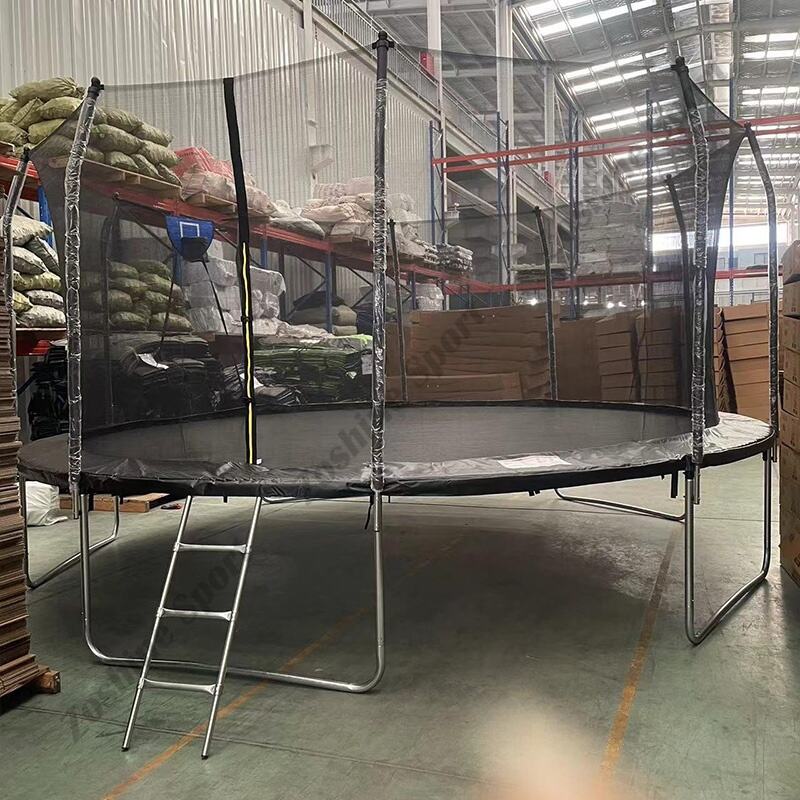
When selecting a round trampoline for your backyard, understanding the critical safety specifications can mean the difference between years of safe enjoyment and potential injury risks. Tensile strength and mesh safety tests represent two fundamental engineering evaluations that determine whether a round trampoline can withstand the dynamic forces generated during jumping activities while maintaining protective barrier integrity throughout its operational lifespan.
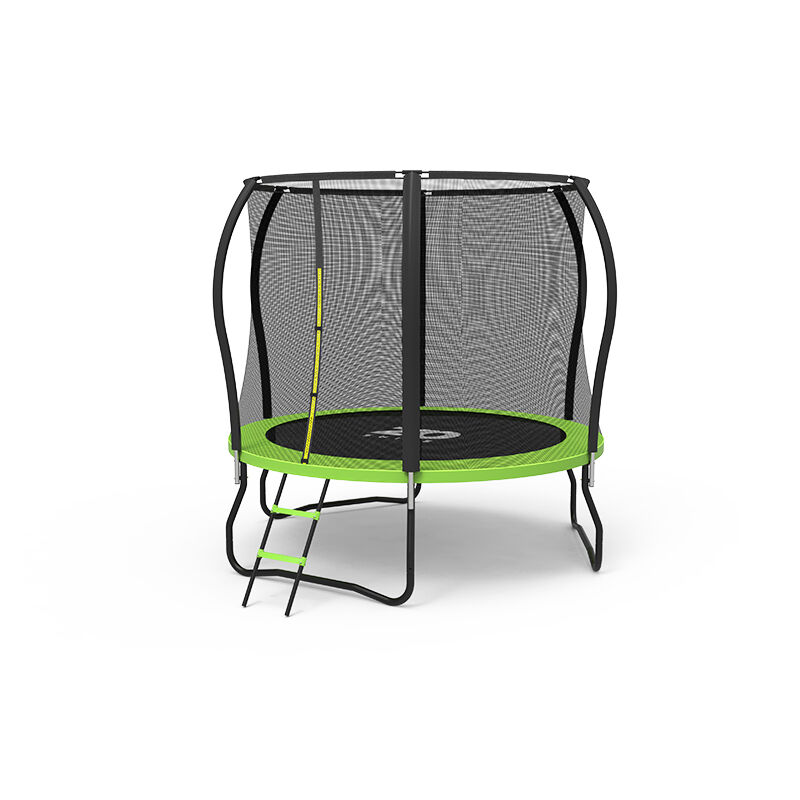
The engineering principles behind trampoline safety testing directly correlate with real-world performance under stress conditions that occur during normal use. A round trampoline experiences concentrated loading forces at specific stress points, particularly where the jumping mat connects to the frame and where safety netting attaches to support poles. Without proper tensile strength verification and comprehensive mesh integrity testing, these critical junction points can fail unexpectedly, creating hazardous situations that compromise user safety and equipment durability.
Understanding Tensile Strength Requirements in Round Trampoline Construction
Material Stress Distribution Patterns
The circular geometry of a round trampoline creates unique stress distribution patterns that differ significantly from rectangular or square designs. When a user lands on the jumping surface, the force radiates outward in concentric circles, with maximum tension occurring along the spring attachment points. Tensile strength testing evaluates how well the jumping mat material can withstand these radial forces without tearing or developing stress fractures that could lead to sudden failure during use.
Professional-grade round trampoline materials undergo standardized tensile testing procedures that simulate thousands of loading cycles at forces exceeding typical user weights. These tests measure the material's ability to return to its original shape after deformation while maintaining structural integrity across the entire surface area. The testing protocol typically involves applying incremental loads until material failure occurs, establishing safe working load limits that account for safety factors and long-term fatigue resistance.
Frame connection points represent another critical area where tensile strength becomes paramount for round trampoline safety. The spring assemblies must distribute user-generated forces evenly across the frame structure without creating stress concentration points that could lead to metal fatigue or weld failure. Proper tensile testing ensures that each spring attachment point can handle dynamic loading conditions while maintaining consistent performance characteristics throughout the equipment's service life.
Dynamic Loading Conditions and Safety Margins
Real-world usage of a round trampoline involves complex dynamic loading scenarios that extend far beyond static weight considerations. When users perform bouncing activities, impact forces can exceed body weight by factors of three to five times, depending on jump height and landing technique. Tensile strength testing must account for these amplified force conditions while incorporating adequate safety margins to prevent material failure even under extreme usage scenarios.
The cyclical nature of trampoline use creates fatigue loading conditions that gradually weaken materials over time through repeated stress-relaxation cycles. Quality round trampoline manufacturers conduct extensive fatigue testing that simulates years of normal use within accelerated timeframes. These evaluations help establish realistic service life expectations while identifying potential failure modes before products reach consumer markets, ensuring that tensile strength specifications remain valid throughout the equipment's intended operational period.
Environmental factors such as temperature fluctuations, UV exposure, and moisture infiltration can significantly impact material tensile properties over time. Comprehensive testing protocols evaluate how these environmental stressors affect the long-term tensile strength of round trampoline components, particularly synthetic materials used in jumping surfaces and safety nets. This environmental conditioning ensures that safety specifications remain valid across diverse climate conditions and seasonal usage patterns.
Mesh Safety Testing Protocols and Performance Standards
Barrier Integrity Assessment Methods
Safety mesh testing for round trampoline applications involves rigorous evaluation procedures that assess the netting material's ability to contain users within the jumping area while preventing falls to the ground. These tests simulate various impact scenarios, including high-velocity collisions that might occur when users lose balance or attempt advanced maneuvers. The mesh must demonstrate sufficient strength to arrest falling users without sustaining damage that could compromise its protective function.
Professional testing laboratories use specialized equipment to apply controlled impact forces against safety mesh samples at different angles and velocities. These evaluations measure the mesh's energy absorption capabilities and determine whether the material can safely decelerate a falling user without rebounding them back toward the jumping surface in an uncontrolled manner. The testing also evaluates seam integrity and connection point strength to ensure that the entire barrier system functions as a unified protective structure.
Mesh opening size represents another critical safety parameter that requires specific testing validation for round trampoline applications. The netting must feature openings small enough to prevent limb entrapment while maintaining adequate ventilation and visibility characteristics. Standardized testing procedures verify that mesh openings cannot accommodate body parts that could become trapped during normal use, particularly focusing on finger and toe entrapment scenarios that represent common injury mechanisms.
Connection System Reliability Verification
The attachment mechanisms that secure safety mesh to the round trampoline frame structure undergo specialized testing to ensure reliable long-term performance under various loading conditions. These connection systems must maintain their holding strength despite repeated stress cycles generated by wind loading, user contact, and thermal expansion-contraction cycles. Testing protocols evaluate both the mechanical fasteners and the mesh material surrounding attachment points to identify potential failure modes.
Quality assurance procedures include pull-out testing of individual attachment points to determine the maximum force required to separate the mesh from its mounting hardware. This testing helps establish proper installation specifications while ensuring that the connection system can handle emergency loading situations without catastrophic failure. The evaluation also considers the progressive failure characteristics of the attachment system, ensuring that localized damage doesn't propagate rapidly across the entire barrier structure.
Environmental durability testing evaluates how weather exposure affects the long-term reliability of mesh connection systems on round trampoline installations. Extended outdoor exposure can degrade both synthetic mesh materials and metal fastening hardware through UV degradation, corrosion, and thermal cycling effects. Comprehensive testing programs simulate years of environmental exposure within compressed timeframes to validate that connection system integrity remains intact throughout the equipment's expected service life.
Engineering Safety Factors and Performance Validation
Load Distribution Analysis
The circular configuration of a round trampoline creates specific load distribution characteristics that require careful engineering analysis to ensure optimal safety performance. Unlike rectangular designs that concentrate stresses along linear edges, round trampolines distribute forces more evenly across the frame perimeter, but this advantage only materializes when proper tensile strength specifications are met throughout the structure. Engineering validation involves computer modeling combined with physical testing to verify that actual load paths match theoretical predictions.
Finite element analysis techniques help engineers visualize stress concentrations within round trampoline structures under various loading scenarios. These computational tools identify critical stress points where material failures are most likely to occur, guiding the selection of appropriate tensile strength requirements for different components. The analysis also evaluates how manufacturing tolerances and assembly variations might affect stress distribution patterns, ensuring that safety margins remain adequate even when components fall within acceptable production ranges.
Field validation testing involves instrumenting actual round trampoline installations with strain gauges and force sensors to measure real-world loading conditions during normal use. This empirical data provides verification that laboratory test conditions accurately represent actual usage scenarios while identifying any unexpected loading patterns that might require additional safety considerations. The field data also helps establish more accurate fatigue life predictions based on actual usage patterns rather than theoretical assumptions.
Quality Assurance Implementation
Manufacturing quality control procedures ensure that every round trampoline meets established tensile strength and mesh safety requirements before reaching consumer markets. These procedures typically involve statistical sampling of production runs combined with batch testing protocols that verify material properties and assembly quality. The quality assurance system must detect any variations in material properties or manufacturing processes that could compromise safety performance.
Traceability systems track individual components throughout the manufacturing process, enabling rapid identification and recall of potentially defective products if safety issues are discovered. This traceability extends to raw material suppliers, ensuring that tensile strength specifications are maintained consistently across different material lots and production periods. The documentation system also provides valuable feedback for continuous improvement of manufacturing processes and quality control procedures.
Third-party certification programs provide independent verification that round trampoline products meet established safety standards and performance requirements. These certification processes involve comprehensive testing by accredited laboratories using standardized protocols that ensure consistent evaluation criteria across different manufacturers. The certification also includes ongoing surveillance testing to verify that production units continue meeting safety specifications over time.
Risk Mitigation Through Proper Testing Standards
Failure Mode Analysis
Comprehensive failure mode analysis identifies potential mechanisms by which round trampoline components might fail during normal use, enabling the development of appropriate testing protocols to prevent these failure scenarios. Common failure modes include material fatigue from repeated loading cycles, stress corrosion cracking in metal components, and UV degradation of synthetic materials. Understanding these failure mechanisms allows engineers to design testing procedures that accurately predict long-term reliability.
The progressive nature of many failure modes requires testing protocols that can detect early-stage degradation before catastrophic failure occurs. For example, mesh materials may develop small tears or weak spots that gradually expand under continued loading until the barrier function is compromised. Testing procedures must be sensitive enough to identify these early warning signs while establishing criteria for component replacement before safety is compromised.
Interaction effects between different failure modes can create complex degradation patterns that are difficult to predict through individual component testing alone. A round trampoline system involves multiple materials and connection methods that may degrade at different rates under similar environmental conditions. System-level testing evaluates these interaction effects to ensure that overall safety performance remains adequate even when individual components approach their service life limits.
Performance Monitoring and Maintenance Requirements
Effective safety management for round trampoline installations requires ongoing performance monitoring to ensure that tensile strength and mesh integrity remain within acceptable limits throughout the equipment's service life. Visual inspection protocols help users identify obvious signs of degradation such as frayed mesh areas, corroded frame components, or stretched jumping surfaces that might indicate approaching failure conditions. These inspection procedures should be performed regularly and documented to track degradation trends over time.
Preventive maintenance procedures help extend the service life of round trampoline components while maintaining safety performance standards. These procedures might include periodic retensioning of springs, replacement of UV-degraded components, and application of protective treatments to prevent corrosion or material degradation. The maintenance schedule should be based on actual usage patterns and environmental exposure conditions rather than arbitrary time intervals.
Performance verification testing can be conducted periodically using portable equipment to measure actual tensile strength and mesh integrity under field conditions. This testing provides quantitative assessment of component condition and helps establish data-driven replacement schedules based on actual degradation rates rather than conservative theoretical predictions. The testing also validates the effectiveness of maintenance procedures and identifies any unexpected degradation patterns that might require additional preventive measures.
FAQ
How often should tensile strength be tested on a round trampoline?
Professional testing laboratories typically recommend annual tensile strength verification for round trampoline installations that receive regular use, particularly in commercial or high-usage residential applications. However, visual inspection should be performed monthly to identify obvious signs of degradation such as frayed areas, stretched materials, or damaged connection points. The testing frequency may need to be increased in harsh environmental conditions or with intensive usage patterns that accelerate material degradation.
What specific mesh safety standards apply to round trampoline netting?
Round trampoline safety nets must comply with ASTM F381 standards for consumer trampolines, which specify requirements for mesh opening size, material strength, and attachment system integrity. The mesh openings must be small enough to prevent limb entrapment while maintaining adequate visibility and ventilation characteristics. Additionally, the netting must demonstrate sufficient impact resistance to safely contain users within the jumping area without sustaining damage that compromises barrier function.
Can I perform tensile strength testing on my round trampoline at home?
While comprehensive tensile strength testing requires specialized laboratory equipment, homeowners can perform basic assessment procedures using visual inspection and simple load testing methods. Look for signs of material stretching, permanent deformation, or cracking around spring attachment points. However, formal tensile strength verification should be conducted by qualified testing facilities when safety concerns arise or when establishing compliance with manufacturer specifications or insurance requirements.
What happens if a round trampoline fails mesh safety tests?
Round trampoline installations that fail mesh safety testing should be immediately removed from service until appropriate repairs or replacements can be implemented. Failed mesh components create significant fall hazards that can result in serious injuries, particularly for children who may not recognize the compromised safety conditions. Replacement mesh must meet the same safety specifications as the original equipment and should be installed according to manufacturer guidelines to ensure proper protective function.