
 EN
EN
Vertical integration represents a transformative approach for manufacturers seeking to control every aspect of their production pipeline, from raw material sourcing to final product delivery. For a round trampoline manufacturer, this comprehensive control system creates unprecedented opportunities to streamline operations while dramatically reducing lead times that traditionally plague the industry. The integration of multiple production stages under one operational umbrella eliminates the coordination challenges and communication delays that occur when working with external suppliers and subcontractors.
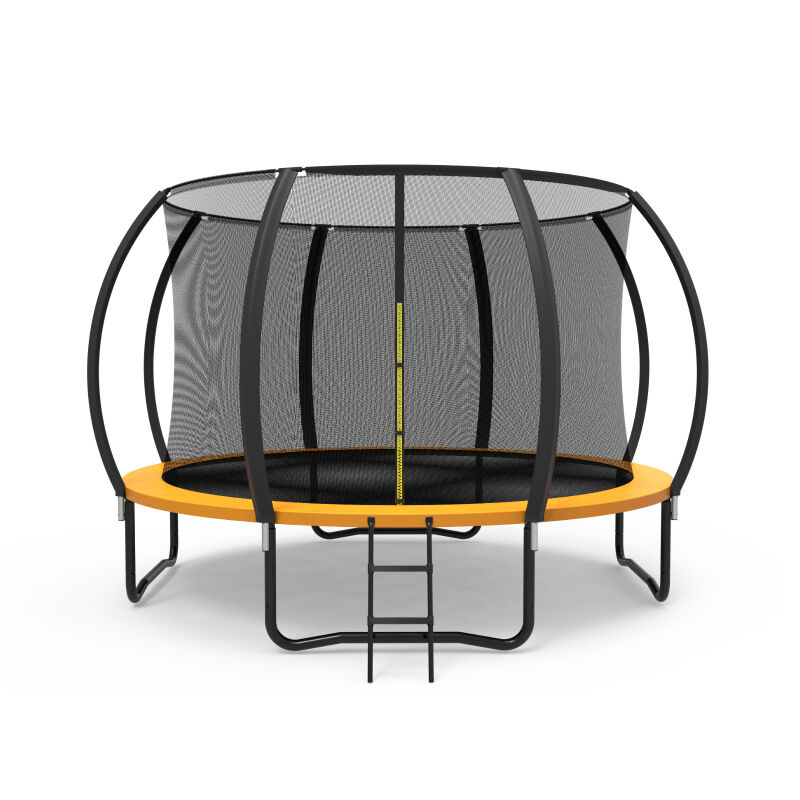
The mechanism through which vertical integration achieves these improvements involves consolidating critical manufacturing processes within a single organizational structure, enabling real-time coordination between design, material preparation, assembly, and quality control departments. This unified approach allows a round trampoline manufacturer to respond immediately to production bottlenecks, adjust capacity allocation dynamically, and maintain consistent quality standards throughout the entire manufacturing cycle without the delays inherent in multi-vendor coordination systems.
Direct Material Control and Supply Chain Optimization
Raw Material Sourcing and Inventory Management
A vertically integrated round trampoline manufacturer gains immediate control over critical raw materials including steel tubing, PVC components, springs, jumping mats, and safety padding materials. This direct sourcing capability eliminates the uncertainty and delays associated with third-party material suppliers who may experience their own production delays or quality inconsistencies. The manufacturer can establish dedicated relationships with steel mills and polymer producers, securing priority allocation of materials during peak demand periods while negotiating volume-based pricing advantages.
The inventory management process becomes significantly more efficient when material flow occurs within a single operational framework. Production planners can maintain optimal stock levels based on real-time production schedules rather than estimating requirements weeks or months in advance. This precision reduces both carrying costs and the risk of material shortages that could halt production lines. Emergency material needs can be addressed through internal resource reallocation rather than expedited external purchasing.
Quality control measures extend directly to incoming raw materials, allowing the round trampoline manufacturer to implement consistent testing protocols and reject substandard materials before they enter the production stream. This proactive quality management prevents downstream production delays caused by discovering material defects during assembly processes, which traditionally require production line shutdowns and material reordering cycles.
Component Pre-Manufacturing and Preparation
Vertical integration enables the round trampoline manufacturer to operate dedicated component preparation facilities that produce springs, frame connectors, safety net systems, and specialized hardware according to precise production schedules. These components can be manufactured in optimal batch sizes that align with final assembly requirements, eliminating the waste and delays associated with standard supplier minimum order quantities that may not match actual production needs.
The pre-manufacturing process includes specialized operations such as spring coiling, galvanization treatments, powder coating applications, and precision machining of connection hardware. When these processes operate under unified management, scheduling coordination becomes seamless, allowing component availability to match assembly line requirements precisely. This synchronization eliminates the buffer inventory typically required when coordinating with external component suppliers.
Custom component modifications can be implemented immediately without the lengthy approval and setup processes required when working with external suppliers. Design changes that improve product performance or reduce manufacturing costs can be evaluated and implemented across all component production lines simultaneously, accelerating product development cycles and time-to-market for improved designs.
Integrated Production Planning and Scheduling Systems
Real-Time Production Coordination
The production planning capabilities of a vertically integrated round trampoline manufacturer extend far beyond traditional scheduling systems by incorporating real-time data from every stage of the manufacturing process. Production managers can monitor material flow, machine utilization, quality control checkpoints, and workforce allocation through unified information systems that provide immediate visibility into potential bottlenecks or efficiency opportunities.
This comprehensive visibility enables dynamic resource allocation where production capacity can be shifted between different manufacturing stages based on current demand patterns and inventory levels. When frame production runs ahead of schedule, resources can be redirected to accelerate mat manufacturing or safety net assembly to maintain overall production balance. These adjustments occur within hours rather than the weeks typically required to coordinate schedule changes with external suppliers.
Emergency orders and rush production requests can be accommodated through internal priority adjustments rather than expensive expedited supplier arrangements. The round trampoline manufacturer can reallocate internal resources, adjust shift schedules, and modify production sequences to meet urgent delivery requirements without compromising other customer commitments or incurring premium supplier charges.
Capacity Optimization and Bottleneck Management
Vertical integration provides unprecedented insight into true production capacity limitations and bottleneck locations throughout the manufacturing process. Rather than accepting supplier-quoted lead times as fixed constraints, the integrated manufacturer can identify specific process limitations and implement targeted improvements to increase overall throughput. This might involve adding specialized equipment, cross-training workers, or redesigning workflow patterns to eliminate capacity restrictions.
The round trampoline manufacturer can implement continuous improvement programs that address bottlenecks at their source rather than working around limitations imposed by external suppliers. Machine maintenance schedules, worker training programs, and process optimization initiatives can be coordinated across all production stages to maximize overall system efficiency rather than optimizing individual departments in isolation.
Peak demand periods can be managed through internal capacity expansion rather than competing with other customers for limited supplier resources. The manufacturer can increase shift schedules, deploy temporary workforce arrangements, and optimize machine utilization across all production stages simultaneously to meet seasonal demand spikes without the coordination challenges of managing multiple external suppliers during high-demand periods.
Quality Control Integration and Defect Prevention
Unified Quality Management Systems
A vertically integrated round trampoline manufacturer implements quality control measures that span every production stage from raw material inspection through final product testing. This comprehensive quality management system prevents defects from propagating through the manufacturing process rather than discovering quality issues at final inspection stages where correction requires extensive rework or product rejection.
Quality standards remain consistent across all production stages because they operate under unified management systems rather than attempting to coordinate different quality protocols between multiple external suppliers. This consistency reduces the variation in final product quality and eliminates the delays associated with investigating quality issues that span multiple suppliers, each with different documentation and testing procedures.
Real-time quality monitoring systems can track defect rates, identify emerging quality trends, and implement corrective actions immediately across all affected production stages. When a quality issue is identified in spring manufacturing, for example, the integrated system can immediately adjust parameters in frame assembly and final inspection processes to compensate for the variation rather than waiting for formal supplier notifications and corrective action plans.
Accelerated Problem Resolution and Continuous Improvement
Problem resolution occurs significantly faster within an integrated manufacturing system because investigation and corrective action can be implemented without the coordination delays inherent in multi-supplier arrangements. When quality issues arise, engineering teams can access all relevant production data, interview operators directly, and implement test solutions across multiple production stages simultaneously.
The round trampoline manufacturer can implement continuous improvement initiatives that optimize quality and efficiency across all manufacturing stages based on comprehensive data analysis rather than limited visibility into supplier processes. Design modifications that improve manufacturability can be evaluated and implemented across all production stages simultaneously, reducing the iterative testing and approval cycles required when working with external suppliers.
Customer feedback and warranty claims can be traced back through the entire production process to identify root causes and implement permanent corrective actions. This comprehensive traceability eliminates the finger-pointing and delayed responses that often occur when quality issues involve multiple suppliers, each responsible for different product components.
Logistics Coordination and Delivery Optimization
Internal Transportation and Warehousing Efficiency
Vertical integration enables the round trampoline manufacturer to optimize internal logistics operations by eliminating the transportation delays and coordination requirements associated with moving components between external supplier facilities. Materials and components move through the production system according to optimized internal schedules rather than external transportation availability and supplier shipping policies.
Warehousing operations become more efficient when integrated with production scheduling because inventory levels can be managed based on actual production requirements rather than safety stock calculations designed to protect against supplier delivery uncertainties. This precision reduces storage costs and working capital requirements while ensuring material availability for production operations.
The coordination between production completion and customer shipping can be optimized to reduce finished goods inventory and accelerate delivery to customers. Products can move directly from final assembly to shipping areas without the intermediate warehousing steps typically required when coordinating final assembly with external component suppliers.
Customer Delivery Performance and Flexibility
Customer delivery commitments become more reliable when the entire production process operates under unified control rather than depending on the coordination of multiple external suppliers with different reliability records and priority systems. The round trampoline manufacturer can provide accurate delivery dates based on internal production capacity rather than estimating lead times based on supplier promises that may not account for competing customer priorities.
Rush orders and delivery modifications can be accommodated through internal priority adjustments rather than expensive supplier expediting charges or acceptance of extended lead times when suppliers cannot accommodate changes. This flexibility provides significant competitive advantages in markets where customer delivery requirements change frequently or where quick response to market opportunities is essential.
Seasonal demand patterns can be managed more effectively through internal capacity planning rather than competing with other customers for limited supplier resources during peak demand periods. The manufacturer can plan capacity expansion, workforce scheduling, and inventory management strategies that optimize customer service levels throughout demand cycles.
FAQ
How much can vertical integration reduce production lead times for round trampolines?
Vertical integration typically reduces production lead times by 30-50% compared to traditional multi-supplier arrangements. The elimination of coordination delays between suppliers, reduced transportation time for components, and improved scheduling precision contribute to these significant time savings. Complex products that previously required 8-12 week lead times can often be produced and delivered within 4-6 weeks when manufacturing processes are fully integrated.
What are the main cost implications of implementing vertical integration for a round trampoline manufacturer?
While vertical integration requires substantial upfront investment in equipment, facilities, and workforce development, it typically generates long-term cost savings through elimination of supplier markups, reduced transportation costs, improved material utilization, and decreased inventory carrying costs. Most manufacturers recover their integration investments within 2-3 years through operational efficiencies and improved pricing flexibility in competitive markets.
How does vertical integration affect product quality consistency compared to using external suppliers?
Vertical integration significantly improves product quality consistency by implementing unified quality standards across all production stages, enabling real-time quality monitoring and immediate corrective actions, and eliminating quality variations that occur when coordinating multiple suppliers with different quality systems. Defect rates typically decrease by 40-60% while customer satisfaction scores improve due to more consistent product performance.
Can vertically integrated manufacturers respond faster to design changes and market demands?
Yes, vertically integrated manufacturers can implement design changes and respond to market demands 3-5 times faster than traditional multi-supplier operations. Product modifications can be evaluated, tested, and implemented across all production stages simultaneously without the lengthy approval processes required when working with external suppliers. New product launches that previously required 6-12 months can often be completed within 2-4 months through integrated development and manufacturing processes.
Table of Contents
- Direct Material Control and Supply Chain Optimization
- Integrated Production Planning and Scheduling Systems
- Quality Control Integration and Defect Prevention
- Logistics Coordination and Delivery Optimization
-
FAQ
- How much can vertical integration reduce production lead times for round trampolines?
- What are the main cost implications of implementing vertical integration for a round trampoline manufacturer?
- How does vertical integration affect product quality consistency compared to using external suppliers?
- Can vertically integrated manufacturers respond faster to design changes and market demands?