
 EN
EN
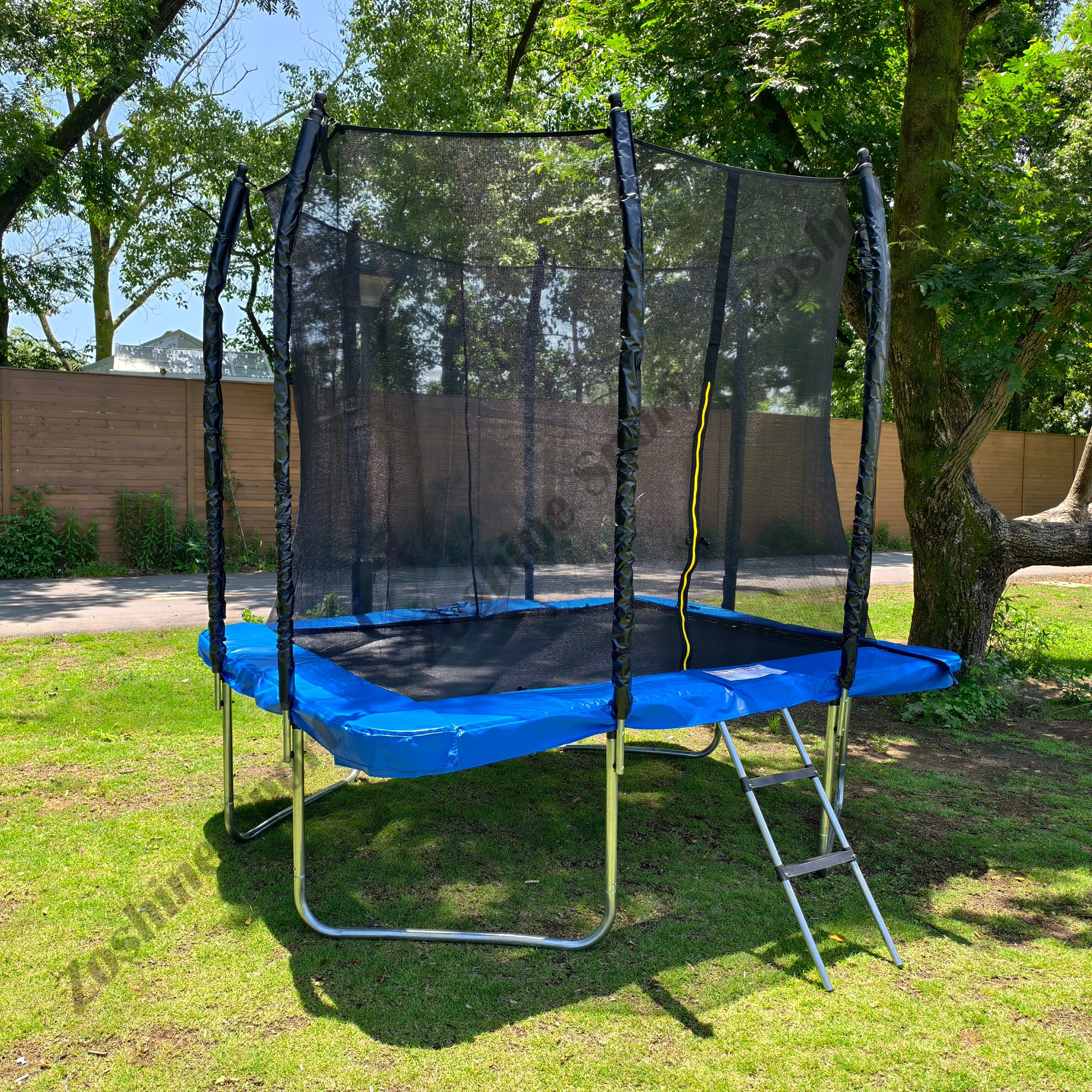
The enclosure net design of a round trampoline serves as the primary safety barrier that transforms an open bouncing surface into a controlled environment for active jumpers. This protective mesh system creates a vertical boundary that prevents users from accidentally bouncing off the trampoline surface while maintaining visibility and airflow. Understanding how these round trampoline enclosure net systems function reveals their critical role in reducing injury risk and enabling confident, unrestricted jumping activities.
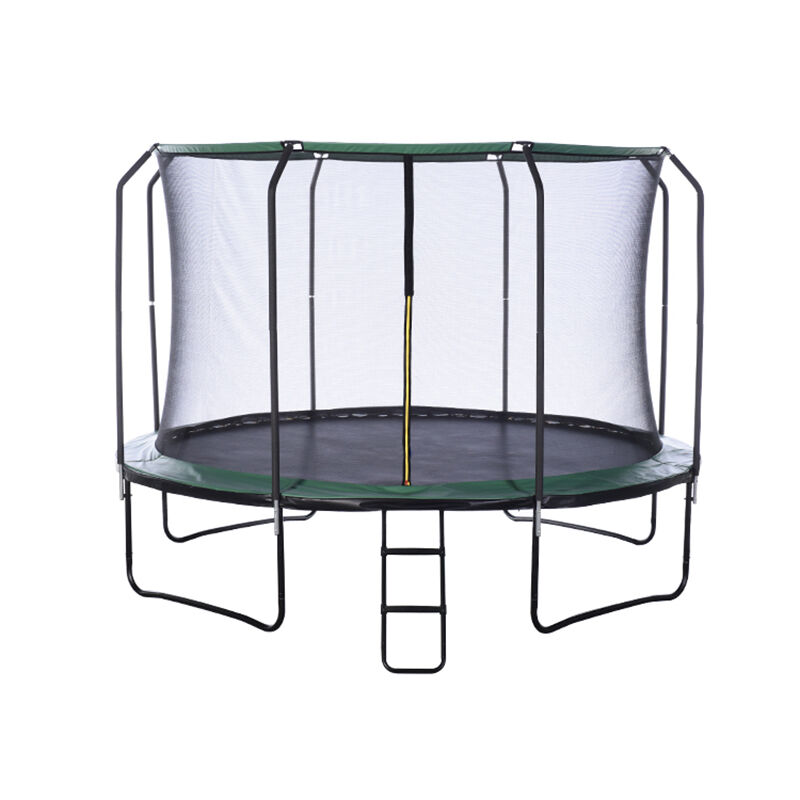
Modern enclosure net designs incorporate advanced engineering principles that address the specific safety challenges posed by circular trampolines and their unique bounce dynamics. The curved perimeter of a round trampoline creates distinctive force distribution patterns that require specialized containment solutions. These nets must accommodate the natural movement trajectories of jumpers while providing reliable containment during high-energy bouncing sessions, making their design methodology crucial for effective safety enhancement.
Structural Engineering Principles Behind Enclosure Net Safety
Mesh Density and Material Selection for Impact Absorption
The mesh density of a round trampoline enclosure net directly influences its ability to safely catch and redirect jumpers who contact the barrier. High-quality enclosure nets typically feature tightly woven polyethylene or polyester fibers that create small openings, preventing limbs from passing through while maintaining structural integrity under impact forces. The material selection process considers factors such as UV resistance, tear strength, and flexibility to ensure consistent performance across varying weather conditions and usage intensities.
Advanced enclosure net materials incorporate multi-strand weaving techniques that distribute impact forces across multiple fiber bundles rather than concentrating stress on individual threads. This engineering approach reduces the likelihood of catastrophic failure at single stress points and enables the net to absorb kinetic energy gradually rather than creating a rigid barrier that could cause injury upon contact.
Attachment Point Distribution and Load Management
The attachment methodology of enclosure nets to the trampoline frame determines how effectively the barrier can manage the dynamic loads generated by active jumpers. Strategic placement of connection points around the circular perimeter ensures that impact forces are distributed evenly rather than concentrated at specific locations. Professional-grade round trampoline enclosure net systems utilize multiple attachment zones that correspond to the frame's structural support points.
Load management principles require that each attachment point can independently handle a portion of the total impact force while remaining connected to the overall net structure. This redundant attachment approach prevents single-point failures that could compromise the entire containment system during high-intensity jumping activities.
Geometric Design Factors That Optimize Safety Performance
Height Configuration for Maximum Containment Effectiveness
The vertical height of enclosure nets must accommodate the maximum jump trajectories possible on the trampoline surface while providing adequate clearance for natural movement patterns. Standard round trampoline enclosure net heights range from 6 to 8 feet, calculated based on the typical bounce height capabilities of the trampoline surface and the anthropometric data of expected users. This height selection ensures that even aggressive jumpers remain within the protected zone.
Height optimization also considers the psychological comfort factor, as nets that are too low can create a feeling of confinement that inhibits natural jumping behavior, while excessive height may reduce the net's effectiveness in containing lateral movement. The ideal height balance provides both physical containment and psychological comfort for users of various skill levels.
Curvature Matching and Perimeter Alignment
The circular geometry of round trampolines requires enclosure nets to maintain consistent spacing from the jumping surface around the entire perimeter. This uniform spacing prevents the creation of dead zones where the net may be too close to the surface or gaps where containment effectiveness is reduced. Professional enclosure net designs incorporate tensioning systems that maintain optimal curvature alignment regardless of environmental factors such as temperature changes or settling.
Perimeter alignment techniques ensure that the round trampoline enclosure net follows the natural curve of the frame without creating flat sections that could concentrate stress or reduce containment effectiveness. Advanced systems use adjustable tensioning mechanisms that allow for fine-tuning of the net position to maintain optimal geometric relationships.
Impact Dynamics and Energy Dissipation Mechanisms
Kinetic Energy Absorption During Jumper Contact
When an active jumper contacts the enclosure net, the system must safely absorb and redirect their kinetic energy to prevent injury while guiding them back toward the trampoline surface. The mesh structure acts as a distributed spring system that gradually decelerates the jumper rather than creating an abrupt stop. This energy dissipation process involves multiple stages of deformation within the net material that collectively reduce impact forces to safe levels.
The elasticity characteristics of quality round trampoline enclosure net materials enable controlled deformation that matches the energy levels generated by typical jumping activities. This controlled response prevents both excessive rigidity that could cause injury and excessive flexibility that might allow jumpers to contact the ground or frame structures beyond the net.
Bounce-Back Control and Trajectory Redirection
Effective enclosure nets not only contain jumpers but also provide controlled redirection back toward the safe jumping zone. The net's elasticity and attachment configuration create a gentle bounce-back effect that guides users away from the perimeter and back toward the center of the trampoline surface. This redirection capability is particularly important for maintaining safety during multi-user jumping sessions where collision avoidance becomes critical.
Trajectory redirection systems within the net design account for the various angles at which jumpers might contact the barrier, ensuring that the bounce-back effect consistently directs users toward safe landing zones rather than creating unpredictable movement patterns that could lead to secondary collisions or falls.
Integration With Frame Systems for Comprehensive Safety
Pole Positioning and Support Structure Coordination
The support pole arrangement for enclosure nets must provide adequate structural stability while minimizing interference with jumping activities. Strategic pole positioning around the round trampoline perimeter creates a support framework that maintains net tension without creating hazardous obstacles within the jumping zone. Professional installations typically use curved or angled pole configurations that follow the trampoline's circular geometry.
Support structure coordination ensures that the round trampoline enclosure net maintains consistent height and tension across all sections, preventing the formation of low spots or loose areas that could compromise containment effectiveness. The pole spacing calculations account for both structural requirements and user safety considerations to optimize the overall system performance.
Padding Integration and Contact Point Protection
The integration of protective padding at key contact points enhances the safety performance of enclosure net systems by providing additional cushioning where users might contact support structures. This padding system works in conjunction with the net to create multiple layers of protection that address various potential impact scenarios. Strategic padding placement covers pole connections, frame intersections, and other structural elements that could pose injury risks.
Padding integration techniques ensure that protective materials do not interfere with the net's containment function while providing adequate cushioning for incidental contact situations. The combination of flexible net barriers and strategic padding creates a comprehensive safety envelope around the jumping area.
Maintenance and Performance Optimization Factors
Weather Resistance and Durability Considerations
Long-term safety performance of enclosure nets depends on their ability to maintain structural integrity despite exposure to various environmental conditions. Quality round trampoline enclosure net systems incorporate UV-stabilized materials that resist degradation from sunlight exposure while maintaining flexibility and strength characteristics over extended periods. Weather resistance features include moisture-resistant treatments that prevent mold and mildew growth that could weaken the mesh structure.
Durability considerations extend beyond weather resistance to include abrasion resistance from repeated user contact and structural fatigue resistance from constant tension loading. Advanced net materials undergo accelerated aging tests to verify their ability to maintain safety performance standards throughout their expected service life.
Inspection Protocols and Safety Verification Methods
Regular inspection and maintenance protocols ensure that enclosure net systems continue to provide reliable safety protection throughout their operational life. Systematic inspection procedures focus on identifying wear patterns, connection point integrity, and overall structural condition that could affect containment performance. These protocols enable early detection of potential issues before they compromise user safety.
Safety verification methods include tension testing, mesh integrity checks, and attachment point inspections that confirm the round trampoline enclosure net continues to meet its design safety specifications. Proper maintenance scheduling and inspection documentation help ensure consistent safety performance over the system's operational lifetime.
FAQ
What height should an enclosure net be for optimal safety on a round trampoline?
The optimal height for a round trampoline enclosure net typically ranges from 6 to 8 feet, depending on the trampoline size and expected user demographics. This height provides adequate containment for normal jumping activities while allowing comfortable movement within the enclosed space. Professional installations often use 8-foot heights for larger trampolines to accommodate more aggressive jumping patterns safely.
How does mesh density affect the safety performance of enclosure nets?
Mesh density directly impacts safety by determining the net's ability to contain users without allowing limbs to pass through openings. Higher density mesh with smaller openings provides better containment but may reduce airflow and visibility. Quality enclosure nets balance these factors with opening sizes typically ranging from 1 to 2 inches to prevent entrapment while maintaining effective containment and user comfort.
What materials provide the best durability for round trampoline enclosure nets?
High-density polyethylene and polyester materials treated with UV stabilizers provide the best combination of durability, weather resistance, and safety performance for enclosure nets. These materials maintain their strength and flexibility over extended periods while resisting degradation from sunlight, moisture, and temperature variations. Quality nets often incorporate multi-strand weaving techniques that enhance tear resistance and overall structural integrity.
How often should enclosure net attachment points be inspected for safety?
Attachment points should be inspected monthly during active use seasons and before each use period after extended storage. Critical inspection points include connection hardware integrity, net material condition around attachment areas, and proper tension maintenance. Any signs of wear, loosening, or damage at attachment points require immediate attention to maintain the enclosure net's containment effectiveness and overall safety performance.
Table of Contents
- Structural Engineering Principles Behind Enclosure Net Safety
- Geometric Design Factors That Optimize Safety Performance
- Impact Dynamics and Energy Dissipation Mechanisms
- Integration With Frame Systems for Comprehensive Safety
- Maintenance and Performance Optimization Factors
-
FAQ
- What height should an enclosure net be for optimal safety on a round trampoline?
- How does mesh density affect the safety performance of enclosure nets?
- What materials provide the best durability for round trampoline enclosure nets?
- How often should enclosure net attachment points be inspected for safety?