
 EN
EN
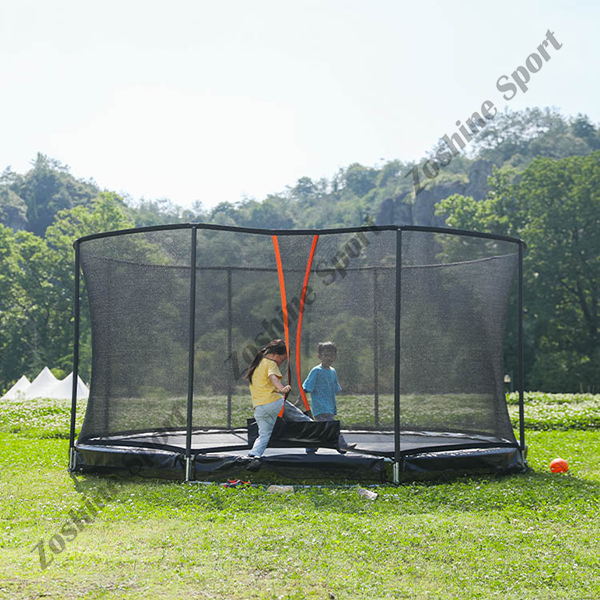
Selecting the right fitness trampoline supplier for commercial procurement or retail distribution requires careful evaluation of multiple operational factors that directly impact product longevity, customer satisfaction, and supply chain flexibility. When sourcing fitness trampolines for gyms, rehabilitation centers, retail stores, or e-commerce platforms, two critical specifications often determine supplier suitability: the availability of anti-rust frame technology and the flexibility to accommodate mixed container orders. These features address fundamental business challenges including product durability in humid environments, inventory cost management, and the ability to diversify product offerings without committing to excessive minimum order quantities. Understanding which fitness trampoline supplier combines these capabilities enables procurement managers and business owners to make informed sourcing decisions that align with operational requirements and market positioning strategies.
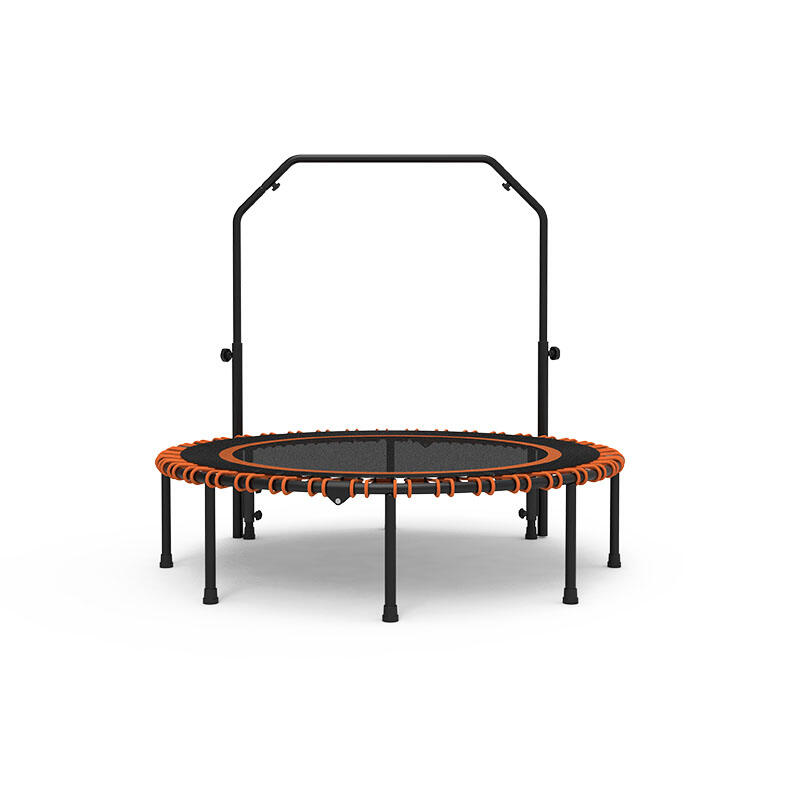
The convergence of anti-rust frame construction and mixed container order flexibility represents a strategic advantage in the competitive fitness equipment market. Anti-rust frames extend product lifespan significantly, reducing warranty claims and enhancing brand reputation, particularly in coastal regions or high-humidity climates where corrosion accelerates. Meanwhile, mixed container capabilities allow retailers and distributors to optimize shipping costs, test multiple product variants, and respond to diverse customer demands without overcommitting capital to single SKU inventories. Identifying a fitness trampoline supplier who provides both features simultaneously requires understanding manufacturing capabilities, quality control systems, logistics infrastructure, and customer service orientation. This comprehensive evaluation ensures that procurement decisions support both immediate operational needs and long-term business growth objectives in the fitness equipment sector.
Understanding Anti-Rust Frame Technology in Fitness Trampolines
Material Composition and Corrosion Resistance Standards
The foundation of anti-rust frame technology in fitness trampolines begins with steel grade selection and surface treatment processes. Premium fitness trampoline suppliers utilize galvanized steel or powder-coated carbon steel frames specifically engineered to resist oxidation when exposed to moisture, sweat, and environmental humidity. Galvanization involves applying a protective zinc coating through hot-dip or electro-galvanizing processes, creating a barrier that prevents oxygen and moisture from reaching the underlying steel substrate. This treatment is particularly critical for fitness trampolines used in commercial gym environments where equipment experiences frequent contact with perspiration and cleaning solutions. The thickness of the zinc coating, typically measured in microns, directly correlates with corrosion resistance longevity, with industrial-grade applications requiring minimum coatings of 45-60 microns to ensure multi-year durability under intensive use conditions.
Powder coating represents an alternative or complementary anti-rust treatment that many quality fitness trampoline suppliers employ to enhance both corrosion protection and aesthetic appeal. This process involves electrostatically applying dry powder particles to the steel frame surface before curing at high temperatures, creating a chemical bond that forms a continuous protective layer. Unlike conventional liquid paint, powder coating provides superior resistance to chipping, scratching, and chemical exposure while maintaining color vibrancy throughout the product lifecycle. When evaluating a fitness trampoline supplier, procurement professionals should request detailed specifications regarding coating thickness, adhesion strength testing results, and salt spray test performance data. Industry-standard salt spray testing, conducted according to ASTM B117 protocols, simulates accelerated corrosion conditions and provides objective evidence of a frame's resistance to rust formation over extended periods.
Manufacturing Quality Control for Frame Durability
The implementation of rigorous quality control protocols distinguishes reliable fitness trampoline suppliers from those offering substandard corrosion protection. Advanced manufacturers conduct multi-stage inspections throughout the frame production process, beginning with raw material verification to ensure steel composition meets specified corrosion-resistance grades. Surface preparation before coating application proves critical, as contaminants, scale, or inadequate surface roughness compromise coating adhesion and create potential failure points where rust can initiate. Professional fitness trampoline suppliers employ automated sandblasting or chemical etching systems to achieve uniform surface profiles that maximize coating bond strength. Post-coating inspection procedures include visual examination, adhesion testing using cross-hatch methods, and thickness measurement using electromagnetic gauges to verify uniform coverage across all frame components.
Long-term durability validation through accelerated aging tests provides additional assurance when selecting a fitness trampoline supplier committed to anti-rust frame performance. Reputable manufacturers subject sample frames to environmental chamber testing that cycles between high humidity, temperature extremes, and UV exposure to simulate years of real-world usage within compressed timeframes. These protocols reveal potential weaknesses in welding zones, joint connections, and coating interfaces where stress concentrations might compromise corrosion protection. Suppliers who transparently share quality control documentation, including batch testing reports and continuous improvement records, demonstrate genuine commitment to delivering anti-rust frames that perform reliably throughout extended service lives. This transparency proves especially valuable for commercial buyers who require warranty coverage and replacement guarantees that depend on documented frame integrity standards.
Mixed Container Order Capabilities and Business Advantages
Defining Mixed Container Flexibility in Fitness Equipment Sourcing
Mixed container ordering represents a strategic procurement approach where buyers combine multiple product types, sizes, or specifications within a single shipping container to optimize logistics costs and inventory diversity. For businesses sourcing from a fitness trampoline supplier, this flexibility enables simultaneous ordering of different trampoline models, sizes such as 36-inch, 40-inch, and 48-inch variants, and complementary accessories including replacement mats, springs, or protective covers. This consolidation approach addresses fundamental challenges faced by small to medium-sized retailers, boutique fitness studios, and e-commerce entrepreneurs who lack the capital or storage capacity to commit to full container loads of single products. By accommodating mixed loads, forward-thinking fitness trampoline suppliers remove traditional barriers to entry and enable emerging businesses to access competitive wholesale pricing previously reserved for high-volume purchasers.
The operational complexity of mixed container orders requires sophisticated logistics coordination and inventory management systems that not all fitness trampoline suppliers possess. Successful implementation demands precise space optimization calculations to maximize container cubic utilization while preventing product damage during international transit. Advanced suppliers employ 3D container loading software that accounts for weight distribution, stacking limitations, and product protection requirements when configuring mixed loads. This technical capability ensures that combining fitness trampolines with varying dimensions alongside other fitness equipment maintains structural integrity throughout ocean freight transportation. Additionally, transparent pricing structures that accurately reflect the true per-unit cost within mixed containers enable buyers to make informed decisions without hidden surcharges that erode the cost advantages of consolidated shipping.
Strategic Benefits for Retailers and Distributors
The ability to order mixed containers from a fitness trampoline supplier delivers measurable advantages in market responsiveness and capital efficiency. Retailers serving diverse customer segments can simultaneously stock entry-level models for home users, commercial-grade units for gym installations, and specialized therapeutic trampolines for rehabilitation applications without the financial burden of separate container shipments. This inventory diversification reduces the risk of stockouts on popular items while enabling rapid response to emerging market trends or seasonal demand fluctuations. For distributors managing regional territories, mixed container capabilities facilitate territory-specific product assortments that reflect local preferences, climate considerations, and competitive positioning requirements without fragmenting purchasing power across multiple supplier relationships.
Cash flow optimization represents another significant advantage when sourcing from fitness trampoline suppliers who accommodate mixed orders. Traditional full-container purchasing requires substantial upfront capital investment that ties up working capital for extended periods until inventory turnover generates returns. Mixed container flexibility allows businesses to maintain leaner inventory levels while still meeting minimum order requirements that unlock wholesale pricing tiers. This approach proves particularly valuable during business expansion phases when cash reserves must balance inventory investment against marketing expenses, facility improvements, and operational overhead. Furthermore, the reduced inventory holding costs associated with right-sized purchasing enable more aggressive pricing strategies that enhance competitive positioning without sacrificing profit margins, creating a sustainable advantage in price-sensitive market segments.
Identifying Suppliers with Both Capabilities
Supplier Evaluation Criteria and Verification Methods
Determining which fitness trampoline supplier genuinely offers both anti-rust frames and mixed container flexibility requires systematic evaluation beyond marketing claims. Procurement professionals should request detailed product specifications that explicitly identify frame materials, surface treatment processes, and corrosion resistance testing results. Reputable suppliers provide technical data sheets documenting coating thickness measurements, salt spray test durations, and compliance with international standards such as ISO 9001 quality management certifications. When evaluating mixed container capabilities, specific inquiries should address minimum order quantities per SKU, container space allocation methodologies, pricing transparency for consolidated shipments, and lead time implications compared to full-container orders. Suppliers who respond with precise, documented answers demonstrate operational maturity and genuine capability rather than opportunistic promises.
Physical factory audits or third-party inspection reports offer additional verification when selecting a fitness trampoline supplier for long-term partnership. On-site visits enable direct observation of manufacturing processes, quality control stations, and raw material storage conditions that impact anti-rust frame production consistency. Inspections should specifically examine surface preparation equipment, coating application systems, and curing ovens to validate that described processes actually exist and operate according to stated specifications. Similarly, warehouse operations should demonstrate organized inventory management systems capable of efficiently handling mixed container order fulfillment without confusion or cross-contamination between different product lines. For buyers unable to conduct personal audits, engaging qualified third-party inspection services provides independent verification of supplier capabilities and helps identify potential discrepancies between marketing representations and operational realities.
Communication and Service Infrastructure Assessment
The quality of customer service infrastructure significantly influences the practical success of mixed container ordering and anti-rust frame warranty fulfillment. A competent fitness trampoline supplier maintains dedicated account management personnel who understand the technical requirements of corrosion-resistant manufacturing and the logistical complexities of consolidated shipping. These representatives should demonstrate fluency in discussing frame treatment specifications, providing container space calculations for proposed product mixes, and explaining quality assurance procedures that protect buyer interests. Responsive communication channels including email, messaging applications, and video conferencing capabilities facilitate efficient problem resolution and order customization discussions that prove essential when configuring mixed loads to meet specific business requirements.
Documentation systems and order tracking capabilities provide further evidence of supplier sophistication necessary for reliable mixed container fulfillment. Professional fitness trampoline suppliers implement enterprise resource planning systems that maintain real-time inventory visibility, automate order confirmation processes, and generate detailed packing lists that specify exact contents and container loading configurations. These systems should produce comprehensive shipping documentation including commercial invoices, packing lists, and bills of lading that accurately reflect mixed product assortments to prevent customs clearance complications. Additionally, proactive communication regarding production status, quality control checkpoints, and shipping milestones demonstrates operational transparency that builds confidence in the supplier relationship and enables buyers to coordinate downstream logistics and customer commitments with greater certainty.
Commercial Applications and Market Positioning
Target Customer Segments and Use Case Scenarios
Businesses that benefit most from sourcing through a fitness trampoline supplier offering anti-rust frames and mixed containers span several distinct market segments. Independent fitness studio owners establishing boutique trampoline workout facilities require durable equipment that withstands intensive daily use while maintaining aesthetic appeal throughout multi-year operational cycles. The anti-rust frame specification proves essential in these environments where elevated room temperatures and participant perspiration create corrosive conditions that rapidly degrade inferior equipment. Simultaneously, studio operators typically need various trampoline sizes to accommodate different class formats and participant heights, making mixed container ordering economically viable for acquiring complete facility outfits without excessive inventory investment in single configurations.
Physical therapy clinics and rehabilitation centers represent another key segment where both supplier capabilities deliver critical value. Therapeutic trampolines used for balance training, proprioceptive rehabilitation, and low-impact cardiovascular conditioning require absolute reliability since equipment failure could result in patient injury and liability exposure. Anti-rust frames ensure consistent structural integrity regardless of facility humidity levels or cleaning protocol intensity. Medical equipment distributors serving this sector frequently need to supply multiple trampoline types including pediatric sizes, bariatric-rated units, and standard adult models within single orders. A fitness trampoline supplier accommodating mixed containers enables these distributors to efficiently serve diverse clinical customers without maintaining excessive inventory depth across numerous specialized product lines.
Competitive Differentiation and Brand Positioning
Retailers and e-commerce businesses gain significant competitive advantages by partnering with a fitness trampoline supplier who provides both anti-rust construction and flexible ordering. Product listings emphasizing corrosion-resistant frames address specific customer concerns, particularly among buyers in humid climates, coastal regions, or those furnishing basement exercise spaces prone to moisture accumulation. This technical differentiation creates persuasive marketing narratives that justify premium pricing compared to generic alternatives lacking documented durability features. Customer reviews highlighting frame longevity and absence of rust formation generate organic social proof that reduces return rates and enhances brand reputation over time. These quality indicators prove especially valuable in online marketplaces where product differentiation relies heavily on specifications and verified customer experiences.
The ability to offer diverse product ranges without inventory risk enables agile market response that outmaneuvered competitors constrained by rigid ordering requirements. When a particular trampoline size or feature configuration gains unexpected popularity through social media trends or influencer endorsements, businesses sourcing from flexible fitness trampoline suppliers can rapidly adjust subsequent orders to capitalize on demand spikes. This responsiveness prevents lost sales opportunities and maintains inventory turnover rates that support healthy cash flow cycles. Conversely, when certain products underperform expectations, mixed container flexibility allows gradual inventory rationalization without forcing deep discounts on excess stock. This dynamic inventory management capability supports sustainable business growth and reduces the financial volatility associated with fitness equipment trends that can shift rapidly based on evolving consumer preferences and competitive innovations.
Implementation Considerations and Partnership Development
Order Planning and Container Optimization Strategies
Maximizing the benefits of mixed container ordering from a fitness trampoline supplier requires strategic planning that balances product variety against space efficiency and minimum order requirements. Buyers should begin by analyzing historical sales data or market research to identify optimal product mix ratios that reflect actual customer demand patterns rather than personal preferences or assumptions. Collaborative planning sessions with supplier logistics teams can reveal opportunities to include complementary products such as resistance bands, yoga mats, or other compact fitness accessories that fill void spaces between trampolines, improving overall container utilization rates. Advanced fitness trampoline suppliers provide container loading diagrams and cubic meter calculations that help buyers visualize how different product combinations fit within standard 20-foot or 40-foot containers, enabling informed decisions about order composition.
Lead time management becomes particularly important when coordinating mixed container orders that may involve multiple production schedules or warehouse locations. A reliable fitness trampoline supplier maintains buffer inventory of popular models to facilitate mixed loading without extending overall production timelines. However, buyers should anticipate slightly longer lead times compared to single-product containers, as consolidation requires coordination across different product lines and quality control checkpoints. Clear communication regarding acceptable delivery windows and any time-sensitive inventory needs enables suppliers to prioritize critical items and optimize production sequencing. Establishing regular ordering cadences, such as quarterly container shipments, allows both parties to plan production capacity and logistics coordination more efficiently, potentially unlocking preferential pricing or priority scheduling during peak manufacturing seasons.
Quality Assurance and Long-Term Relationship Management
Implementing effective quality control protocols when receiving mixed container shipments from a fitness trampoline supplier protects against potential issues that could undermine the benefits of consolidated ordering. Upon container arrival, systematic inspection procedures should verify that anti-rust frame specifications match purchase order requirements, including visual examination for coating uniformity, measurement of frame dimensions, and documentation of any shipping damage. Sample testing of welding integrity and frame stability ensures that mixed loading configurations did not compromise structural quality through inadequate packaging or improper weight distribution during transit. Maintaining detailed receiving reports with photographic documentation creates accountability and provides evidence for warranty claims or supplier quality discussions if issues emerge during inventory deployment.
Cultivating a collaborative partnership with a fitness trampoline supplier generates long-term value beyond individual transaction benefits. Regular performance reviews that discuss quality metrics, delivery accuracy, and communication effectiveness create opportunities for continuous improvement and strengthen mutual commitment to shared success. Buyers who provide constructive feedback about product performance in end-user applications help suppliers refine manufacturing processes and anticipate market requirements. Similarly, suppliers who proactively share insights about industry trends, emerging technologies, or regulatory changes enable buyers to make informed strategic decisions about inventory positioning and marketing emphasis. This collaborative dynamic transforms transactional supplier relationships into strategic partnerships that deliver competitive advantages through superior product quality, operational efficiency, and market responsiveness that competitors struggle to replicate through arms-length procurement approaches.
FAQ
What minimum order quantity typically applies when requesting mixed containers from a fitness trampoline supplier?
Minimum order quantities for mixed containers vary by supplier but typically require at least one-quarter to one-half of a standard shipping container, which translates to approximately 50-100 fitness trampolines depending on size configurations. Many professional fitness trampoline suppliers establish minimum quantities per SKU within mixed containers, often ranging from 10-20 units per model to maintain production efficiency and quality control consistency. These minimums balance the supplier's operational costs against buyer flexibility needs. When evaluating suppliers, request specific MOQ policies for mixed loads and compare how these thresholds align with your inventory turnover rates and capital availability to ensure the arrangement provides genuine business value rather than forcing excessive stock levels.
How can I verify that a fitness trampoline supplier truly provides anti-rust frames rather than standard painted steel?
Verification requires requesting specific technical documentation including material specifications, surface treatment process descriptions, and third-party testing reports such as salt spray test results conducted according to ASTM B117 standards. Reputable fitness trampoline suppliers provide certificates of compliance, coating thickness measurement data, and warranty terms that explicitly cover corrosion-related failures. Additionally, requesting physical samples before placing large orders allows independent testing at local materials laboratories to confirm galvanization or powder coating quality. During factory audits or third-party inspections, direct observation of surface preparation equipment, coating application systems, and quality control checkpoints provides tangible evidence of anti-rust manufacturing capabilities beyond marketing claims.
Does choosing mixed container ordering from a fitness trampoline supplier significantly increase per-unit costs compared to full container loads?
Mixed container ordering typically incurs modest per-unit cost increases of 5-15% compared to full container loads of single products, reflecting additional handling, logistics coordination, and inventory management complexity. However, this incremental cost often proves economically advantageous when considering total business impact including reduced inventory holding costs, eliminated need for multiple separate shipments, and avoided capital tied up in excess single-product inventory. Professional fitness trampoline suppliers with established mixed container programs often minimize these premiums through efficient warehouse operations and consolidated shipping relationships. When evaluating cost implications, calculate total landed cost including storage, insurance, and opportunity cost of capital rather than focusing solely on per-unit product price to accurately assess the financial benefits of mixed container flexibility.
What warranty coverage should I expect for anti-rust frames when sourcing from a quality fitness trampoline supplier?
Quality-focused fitness trampoline suppliers typically offer frame warranties ranging from 3-5 years specifically covering structural integrity and corrosion resistance under normal use conditions. Warranty terms should explicitly address rust-through failures, coating delamination, and structural weakening attributable to corrosion processes. Comprehensive warranties specify covered scenarios, exclusion conditions such as improper maintenance or extreme environmental exposure, and claim procedures including documentation requirements and replacement timelines. Suppliers confident in their anti-rust frame technology often provide extended warranties as competitive differentiators. When negotiating supply agreements, clarify whether warranty coverage applies uniformly across mixed container orders and request written warranty certificates that accompany shipments to ensure enforceable protection throughout the product lifecycle in your market.
Table of Contents
- Understanding Anti-Rust Frame Technology in Fitness Trampolines
- Mixed Container Order Capabilities and Business Advantages
- Identifying Suppliers with Both Capabilities
- Commercial Applications and Market Positioning
- Implementation Considerations and Partnership Development
-
FAQ
- What minimum order quantity typically applies when requesting mixed containers from a fitness trampoline supplier?
- How can I verify that a fitness trampoline supplier truly provides anti-rust frames rather than standard painted steel?
- Does choosing mixed container ordering from a fitness trampoline supplier significantly increase per-unit costs compared to full container loads?
- What warranty coverage should I expect for anti-rust frames when sourcing from a quality fitness trampoline supplier?