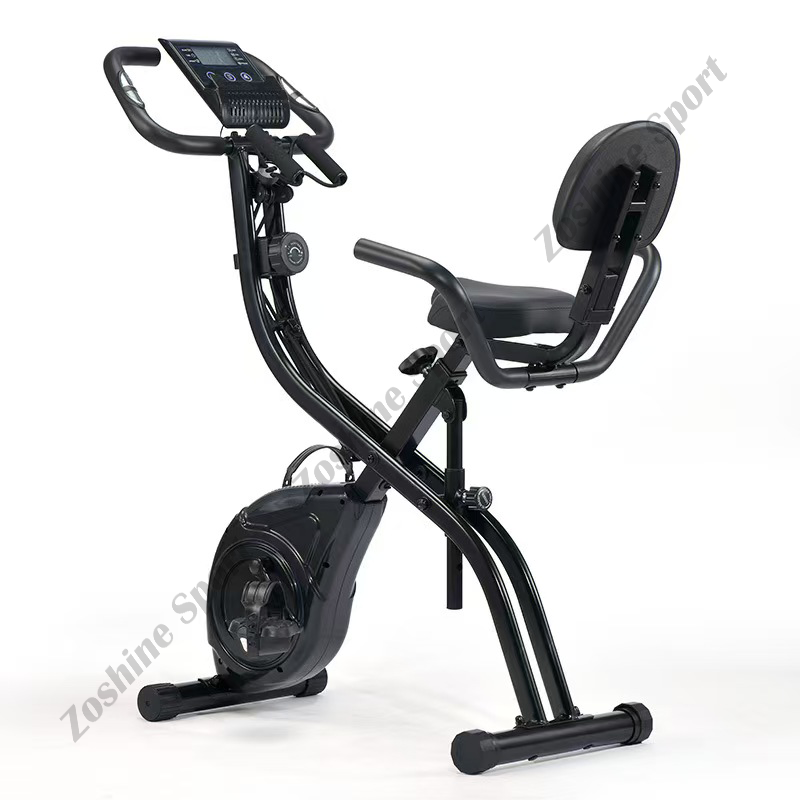
The global fitness equipment market has witnessed tremendous growth in home workout solutions, with the rebounder trampoline emerging as one of the most sought-after products for both commercial gyms and residential spaces. Our factory has achieved recognition as a leading exporter in this specialized segment, primarily due to our innovative approach to combining high-performance bounce technology with intelligent space-saving design. The foldable rebounder trampoline represents a convergence of engineering excellence, material science innovation, and deep understanding of modern consumer needs, positioning our manufacturing facility at the forefront of international trade in fitness rebounding equipment.

Understanding why our factory maintains top rankings in rebounder trampoline exports requires examining multiple interconnected factors that extend beyond basic manufacturing capability. The competitive advantage stems from strategic investments in research and development, implementation of rigorous quality control systems, development of proprietary folding mechanisms, and cultivation of long-term relationships with international distributors. This article explores the specific operational, technical, and business strategies that have elevated our factory to industry leadership, while explaining how our foldable space-saving design addresses critical pain points in both logistics and end-user experience across diverse global markets.
Manufacturing Excellence and Quality Control Systems
Advanced Production Infrastructure for Rebounder Trampoline Manufacturing
Our factory's ranking as a top exporter begins with fundamental investments in state-of-the-art manufacturing infrastructure specifically designed for fitness equipment production. The production lines incorporate automated welding stations that ensure consistent frame integrity across every rebounder trampoline unit, eliminating the variation that often plagues manual welding processes. Precision cutting equipment maintains exact specifications for all steel components, which is critical for the foldable mechanism to function smoothly over thousands of folding cycles. The spring attachment process utilizes specialized machinery that applies uniform tension across all connection points, a technical requirement that directly impacts bounce consistency and user safety during intense cardiovascular workouts.
The manufacturing floor layout follows lean production principles, with dedicated zones for frame assembly, mat attachment, folding mechanism installation, and packaging operations. This systematic workflow reduces production time while maintaining quality standards that exceed international safety certifications. Each production station includes real-time quality monitoring systems that flag deviations from specifications before defective units proceed to subsequent assembly stages. The integration of automated inspection cameras at critical junctures ensures that every foldable rebounder trampoline meets dimensional tolerances required for smooth folding operation and structural stability under repeated high-impact use.
Multi-Tier Quality Assurance Protocols
Quality control represents a core competitive differentiator that explains our factory's export success in the rebounder trampoline market. The quality assurance process begins with incoming material inspection, where steel tubing, springs, and mat materials undergo testing for tensile strength, elasticity retention, and surface finish quality. Only materials that meet or exceed specification thresholds enter the production system, establishing quality at the foundational level. This upstream quality control prevents the accumulation of minor defects that could compromise the foldable design's long-term durability or create safety risks during high-intensity rebounding exercises.
Mid-production inspection occurs at three critical checkpoints throughout the assembly process. The first checkpoint verifies frame welding integrity through visual inspection and stress testing on sample units from each production batch. The second checkpoint examines the folding mechanism installation, ensuring that hinges operate smoothly and locking systems engage properly without excessive force. The third checkpoint tests the completed rebounder trampoline under simulated use conditions, including repeated folding cycles and dynamic load testing that mimics months of typical residential use. Final inspection includes packaging verification to ensure that foldable units arrive at international destinations without shipping damage that could affect functionality or customer satisfaction.
Innovative Foldable Space-Saving Design Engineering
Proprietary Folding Mechanism Development
The foldable space-saving design that distinguishes our rebounder trampoline from competitors results from years of engineering research focused on solving the fundamental challenge of compact storage without compromising structural integrity. Traditional fitness trampolines occupy significant floor space, creating adoption barriers for urban apartment dwellers and facilities with limited storage capacity. Our engineering team developed a patented folding mechanism that reduces the footprint by approximately seventy percent when folded, transforming the rebounder trampoline from an active workout station into a slim profile that fits in closets, under beds, or against walls without requiring disassembly.
The folding mechanism incorporates reinforced pivot points that distribute stress across multiple connection nodes rather than concentrating force at single hinge locations. This design approach prevents the metal fatigue and joint loosening that typically occurs in folding fitness equipment after extended use. The locking system employs a dual-safety mechanism that requires deliberate user action to unlock, preventing accidental collapse during use while remaining intuitive enough for quick folding after workout sessions. Ergonomic handles integrated into the frame design facilitate easy lifting and maneuvering, addressing the practical reality that users need to move their rebounder trampoline between storage and workout locations regularly.
Material Selection for Durability and Portability Balance
Achieving optimal performance in a foldable rebounder trampoline requires careful material selection that balances strength requirements with weight considerations. Our factory utilizes high-grade steel alloys that provide necessary load-bearing capacity while minimizing overall unit weight, making the folded trampoline manageable for single-person transport. The frame tubing undergoes heat treatment processes that enhance structural rigidity without increasing brittleness, a critical factor for components that experience repeated flexing during folding operations. Surface treatments include powder coating that resists scratching and corrosion, maintaining aesthetic appearance throughout years of use despite the additional surface contact that occurs during folding and storage.
The jumping mat material represents another critical engineering decision that impacts both performance and folding functionality. Our rebounder trampoline uses specialized polypropylene blends that maintain elasticity across wide temperature ranges while resisting UV degradation and moisture absorption. The mat attachment system allows slight material movement during folding to prevent stress concentration that could tear fabric or damage attachment points. Spring selection follows rigorous testing protocols to identify specifications that deliver responsive bounce characteristics while tolerating the angular deflection that occurs when the frame transitions between deployed and folded configurations. These material choices directly contribute to the product longevity that builds brand reputation and drives repeat orders from international distributors.
Export Operations and International Market Penetration
Strategic Distribution Network Development
Our factory's top ranking in rebounder trampoline exports reflects deliberate strategies for building and maintaining relationships with distributors across key international markets. Rather than pursuing transactional sales approaches, the export division focuses on partnership development with fitness equipment retailers, online marketplace sellers, and commercial gym suppliers who value consistent product quality and reliable delivery schedules. These distributor relationships provide market intelligence that informs product development decisions, creating a feedback loop where customer preferences in different regions influence design refinements for subsequent production runs of our foldable rebounder trampoline models.
The distribution strategy segments markets based on usage patterns and space constraints that vary across geographic regions. Urban markets in Asia and Europe show particularly strong demand for space-saving fitness solutions, making the foldable design especially relevant for these regions. North American markets demonstrate preference for larger rebounder trampoline models but increasingly appreciate folding functionality as apartment living becomes more prevalent in major cities. The factory maintains flexibility to adjust production ratios between different model sizes and folding configurations based on regional demand patterns communicated by distributor partners, ensuring inventory availability aligns with market-specific preferences.
Logistics Optimization for International Shipping
The foldable space-saving design provides substantial logistical advantages that directly impact export competitiveness and contribute to our factory's market position. Traditional rigid-frame fitness trampolines require large packaging volumes that increase shipping costs and limit the number of units per container. Our foldable rebounder trampoline ships in a compact configuration that maximizes container utilization, reducing per-unit freight expenses and enabling more competitive pricing in destination markets. This packaging efficiency translates to approximately forty percent more units per standard shipping container compared to non-folding alternatives, creating significant cost advantages that benefit both distributors and end consumers.
Packaging design incorporates protective elements specifically engineered for the folding mechanism components, which represent the most vulnerable elements during international transport. Custom foam inserts cradle pivot points and locking mechanisms, preventing impact damage that could compromise folding functionality upon arrival. The packaging also includes clear assembly instructions in multiple languages, addressing the reality that our rebounder trampoline reaches diverse international markets with varying language requirements. This attention to packaging quality reduces return rates and customer service issues, factors that influence distributor satisfaction and willingness to maintain long-term supply relationships with our factory.
Product Development and Market Responsiveness
Continuous Innovation Cycles
Maintaining top export rankings requires ongoing product evolution that addresses emerging market trends and competitive developments in the fitness equipment sector. Our factory invests substantial resources in research and development activities focused on enhancing the rebounder trampoline user experience while preserving the core space-saving benefits that define our product positioning. Recent innovation cycles have introduced adjustable handle systems that accommodate users of different heights, detachable resistance bands that enable upper body exercises during rebounding sessions, and digital integration features that track workout metrics through smartphone connectivity. These enhancements maintain product relevance as consumer expectations evolve toward multifunctional fitness solutions.
The development process incorporates user testing with diverse demographic groups to ensure that design changes improve functionality without introducing complexity that could deter less technically-inclined users. Prototype testing includes extended folding cycle evaluations that simulate years of typical use patterns, identifying potential failure points before new features enter mass production. Feedback from international distributors informs feature prioritization, ensuring that development resources focus on enhancements that address documented market needs rather than pursuing innovation for its own sake. This market-responsive approach to rebounder trampoline development sustains the product differentiation that supports premium positioning in competitive export markets.
Customization Capabilities for Private Label Partners
Export success increasingly depends on flexibility to accommodate private label requirements from major fitness equipment retailers and online brands who seek differentiation in crowded marketplaces. Our factory maintains customization capabilities that allow partners to specify color combinations, branding elements, and minor feature variations while leveraging our core foldable rebounder trampoline platform. This approach enables efficient production of customized units without requiring completely unique tooling or manufacturing processes, balancing partner differentiation needs with production efficiency requirements. The customization service includes assistance with packaging design and instruction manual development, providing comprehensive support that reduces barriers for international brands entering the rebounding fitness category.
The private label program extends beyond cosmetic customization to include performance specification adjustments that address specific market segments. Some partners request enhanced spring tension for users preferring more intense cardiovascular workouts, while others specify softer bounce characteristics suitable for rehabilitation and gentle exercise applications. Our engineering team maintains a library of validated component specifications that enable rapid customization without extensive revalidation testing, accelerating time-to-market for partner-specific rebounder trampoline variants. This flexibility strengthens relationships with major buyers who drive substantial export volumes, contributing directly to our factory's ranking as a leading international supplier in this product category.
Sustainability Practices and Corporate Responsibility
Environmental Management in Manufacturing Operations
Contemporary export success increasingly depends on demonstrating environmental responsibility throughout the manufacturing process, particularly when serving markets with stringent sustainability expectations. Our factory has implemented comprehensive environmental management systems that minimize waste generation, optimize energy consumption, and ensure responsible disposal of manufacturing byproducts. The powder coating process for rebounder trampoline frames utilizes electrostatic application technology that reduces overspray waste and eliminates volatile organic compound emissions associated with traditional liquid painting methods. Metal fabrication areas incorporate scrap collection and recycling protocols that return excess material to the steel supply chain rather than contributing to landfill waste.
Energy efficiency initiatives include LED lighting throughout production facilities, variable-speed motor controls on manufacturing equipment, and heat recovery systems that capture waste thermal energy from welding operations. These investments reduce the carbon footprint associated with each rebounder trampoline unit produced, supporting the sustainability claims that increasingly influence purchasing decisions in developed markets. The facility maintains ISO 14001 environmental management certification, providing third-party validation of environmental practices that reassures international buyers concerned about supply chain sustainability. This environmental commitment represents both ethical responsibility and strategic positioning that differentiates our factory in markets where sustainability factors into supplier selection decisions.
Worker Safety and Fair Labor Practices
Export competitiveness built on exploitative labor practices proves unsustainable as international buyers face increasing scrutiny regarding supply chain ethics. Our factory prioritizes worker safety and fair compensation as fundamental operational principles that support long-term business stability and brand reputation. The production facility meets international safety standards with properly guarded machinery, adequate ventilation systems, and comprehensive personal protective equipment programs. Regular safety training ensures that workers understand proper procedures for operating specialized equipment used in rebounder trampoline manufacturing, reducing accident rates and protecting employee wellbeing.
Compensation structures provide wages that exceed local minimums and include performance bonuses tied to quality metrics rather than purely production speed. This approach aligns worker incentives with quality objectives that protect brand reputation in international markets. The factory maintains transparent working hour policies that prevent excessive overtime and ensure compliance with labor regulations, factors that major retailers increasingly verify through supply chain audits. Social compliance certifications including BSCI and SEDEX provide independent validation of labor practices, addressing due diligence requirements that international buyers face from their own stakeholders. These ethical practices contribute to workforce stability and production consistency that ultimately support our ranking as a reliable rebounder trampoline exporter.
FAQ
What specific features make the foldable rebounder trampoline suitable for international shipping?
The foldable design reduces packaging volume by approximately sixty to seventy percent compared to rigid-frame alternatives, allowing significantly more units per shipping container and reducing per-unit freight costs. The compact folded configuration also minimizes the risk of frame damage during transport since the unit occupies less space and experiences less movement within packaging. Specialized packaging includes protective elements designed specifically for folding mechanism components, ensuring that pivot points and locking systems arrive in perfect working condition. These shipping advantages contribute directly to competitive pricing in destination markets and reduce the environmental impact of international freight operations.
How does the folding mechanism affect the long-term durability of the rebounder trampoline?
The folding mechanism incorporates reinforced pivot points and stress distribution design that actually enhances durability compared to some rigid-frame alternatives by allowing controlled flex that absorbs impact forces. Extensive testing demonstrates that the folding components withstand thousands of folding cycles without significant wear, far exceeding the folding frequency expected during typical product lifetime. The dual-safety locking system prevents unintended movement during use, maintaining structural stability equivalent to non-folding models. Material selection for folding components prioritizes fatigue resistance, with heat-treated steel alloys and corrosion-resistant finishes that maintain performance throughout years of regular use and storage cycles.
What quality certifications does the factory maintain for rebounder trampoline exports?
Our factory maintains comprehensive international quality and safety certifications including CE marking for European markets, ASTM compliance for North American standards, and various product-specific safety certifications required by different destination countries. The facility holds ISO 9001 quality management system certification, demonstrating systematic approaches to quality control throughout the manufacturing process. Environmental management follows ISO 14001 standards, while social compliance certifications including BSCI and SEDEX verify ethical labor practices. These certifications undergo regular third-party audits to ensure continued compliance, providing international buyers with confidence that rebounder trampoline units meet regulatory requirements and industry best practices for their respective markets.
How does the factory address customization requests from international distributors?
The factory maintains flexible manufacturing capabilities that accommodate color customization, branding elements, and performance specification adjustments without requiring completely unique production tooling. A comprehensive library of validated component options enables rapid customization for features like spring tension, handle configurations, and mat materials while maintaining core platform benefits including the space-saving foldable design. Minimum order quantities for customized rebounder trampoline variants are structured to balance production efficiency with accessibility for mid-sized distributors, not just large retailers. The customization process includes technical support for packaging design and instruction manual development, providing comprehensive assistance that reduces complexity for international partners entering or expanding within the rebounding fitness equipment category.
Table of Contents
- Manufacturing Excellence and Quality Control Systems
- Innovative Foldable Space-Saving Design Engineering
- Export Operations and International Market Penetration
- Product Development and Market Responsiveness
- Sustainability Practices and Corporate Responsibility
-
FAQ
- What specific features make the foldable rebounder trampoline suitable for international shipping?
- How does the folding mechanism affect the long-term durability of the rebounder trampoline?
- What quality certifications does the factory maintain for rebounder trampoline exports?
- How does the factory address customization requests from international distributors?