
 EN
EN
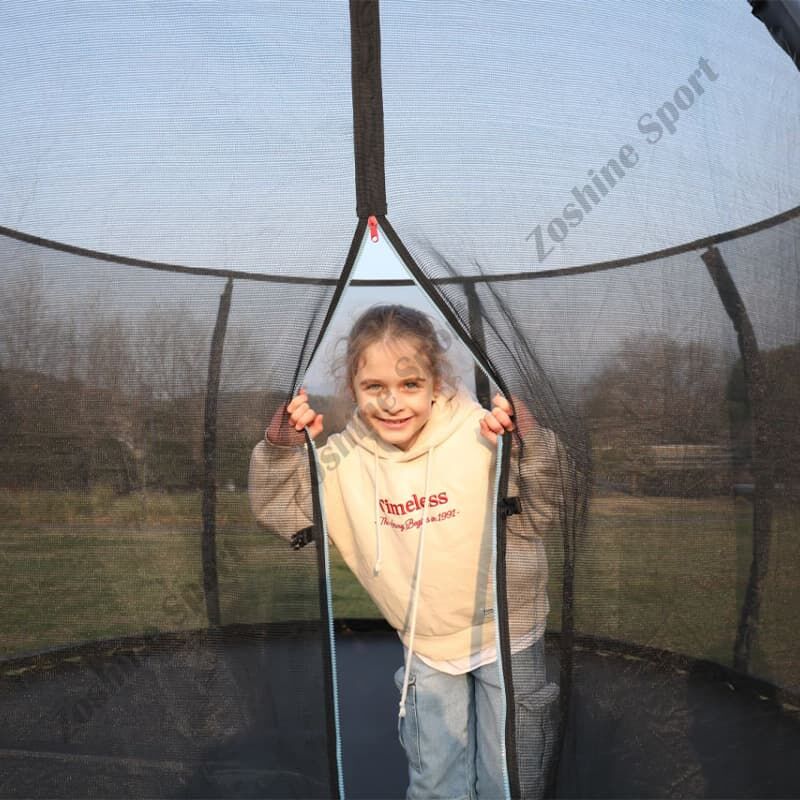
Selecting the right fitness trampoline supplier in China requires careful consideration of manufacturing quality, design innovation, and the specific needs of low-impact cardio workouts. When evaluating Chinese suppliers for fitness trampoline equipment, the focus should be on their ability to produce trampolines that minimize joint stress while maximizing cardiovascular benefits. The ideal supplier demonstrates expertise in biomechanical engineering, uses premium materials that ensure durability and safety, and understands the unique demands of fitness enthusiasts seeking effective yet gentle exercise alternatives. This article examines the critical factors that distinguish exceptional Chinese fitness trampoline suppliers and provides guidance for making informed purchasing decisions aligned with low-impact cardio workout requirements.
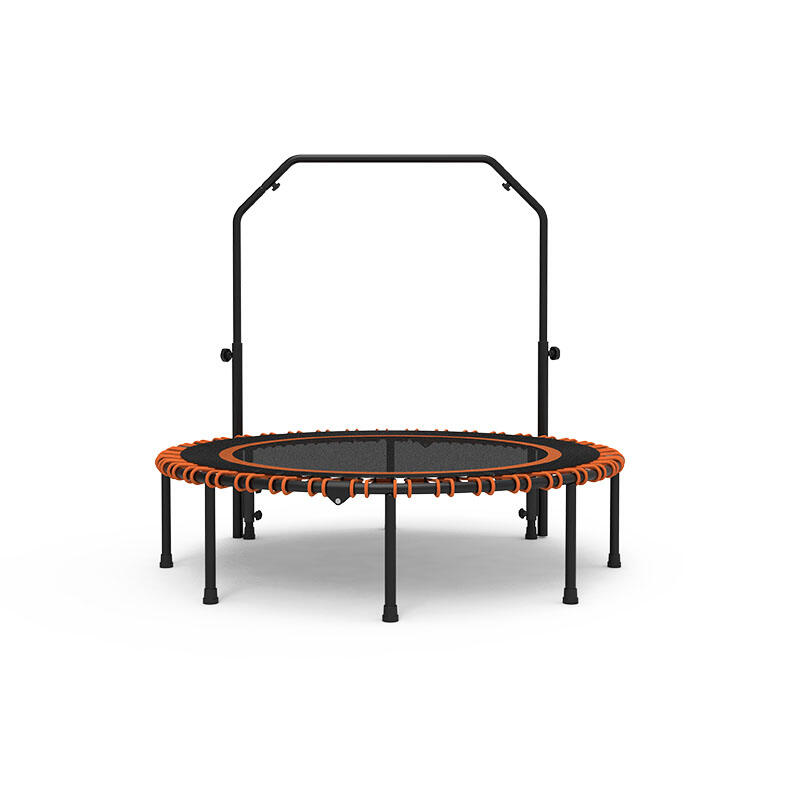
The Chinese manufacturing landscape for fitness trampolines has evolved significantly, with suppliers now offering sophisticated designs that cater specifically to cardiovascular training while protecting joints from excessive impact. Quality suppliers distinguish themselves through rigorous testing protocols, adherence to international safety standards, and continuous innovation in spring systems and mat technologies. Understanding what separates superior suppliers from average ones empowers buyers to source equipment that truly delivers on the promise of effective low-impact cardio workouts, ensuring both user satisfaction and long-term equipment reliability in commercial or home fitness environments.
Engineering Principles Behind Effective Low-Impact Cardio Trampolines
Biomechanical Design Requirements for Joint Protection
The foundation of any effective fitness trampoline lies in its biomechanical design, which must carefully balance rebound characteristics with shock absorption capabilities. Superior Chinese suppliers understand that low-impact cardio equipment must reduce the force transmitted to ankles, knees, hips, and spine while maintaining sufficient responsiveness for effective cardiovascular training. This requires precision engineering of the spring or bungee suspension system to create a progressive resistance profile that cushions landings without compromising energy return. The mat surface must distribute body weight evenly across the jumping area, preventing pressure concentration points that could lead to discomfort or injury during extended workout sessions.
Leading manufacturers invest in motion analysis technology to study how different fitness trampoline designs affect joint loading patterns during various exercise movements. They examine ground reaction forces, acceleration profiles, and tissue stress levels to optimize their products for genuine low-impact performance. The frame geometry, spring placement angles, and mat tension all contribute to the overall biomechanical profile. Suppliers who demonstrate comprehensive understanding of these principles through documented testing data and design specifications are better positioned to deliver equipment that truly protects users while enabling intensive cardio workouts. This technical knowledge separates manufacturers who simply produce trampolines from those who engineer genuine fitness solutions.
Spring and Suspension Technology Variations
The suspension system represents the critical component that determines whether a fitness trampoline effectively delivers low-impact cardio benefits. Chinese suppliers typically offer three main suspension technologies: steel coil springs, elastic bungee cords, and hybrid systems that combine both approaches. Each technology presents distinct advantages for impact reduction and workout effectiveness. Steel spring systems provide consistent rebound characteristics and exceptional durability but require careful engineering to achieve truly low-impact performance. The spring gauge, coil diameter, and attachment angle all influence the force absorption profile during landing phases of jumping exercises.
Bungee cord suspension systems have gained popularity among fitness trampoline manufacturers focused on low-impact applications because they naturally provide more progressive resistance and smoother deceleration. Quality suppliers use specialized elastomer compounds that maintain consistent tension across wide temperature ranges and resist degradation from repeated stress cycles. The number of bungee attachment points, cord thickness, and pre-tension settings all affect the equipment's impact reduction capabilities. Superior manufacturers provide detailed specifications about their suspension systems, including force-deflection curves and fatigue testing results that demonstrate long-term performance stability. When evaluating Chinese suppliers, examining their suspension technology expertise and willingness to share technical data reveals their commitment to genuine low-impact cardio equipment rather than basic recreational trampolines marketed for fitness use.
Material Quality Standards and Manufacturing Excellence
Frame Construction and Structural Integrity
The structural foundation of a fitness trampoline determines both safety and longevity, making frame construction a critical evaluation criterion when selecting Chinese suppliers. Premium manufacturers utilize heavy-gauge steel tubing with reinforced welds at stress concentration points, ensuring the frame can withstand thousands of workout sessions without developing structural fatigue or joint loosening. The frame geometry must provide stable support across the entire jumping surface while accommodating the dynamic loads generated during vigorous cardio exercises. Superior suppliers employ finite element analysis during design phases to identify potential weak points and optimize material distribution for maximum strength-to-weight ratios.
Surface treatment processes significantly impact frame durability and user safety. Quality Chinese fitness trampoline suppliers apply multi-layer protective coatings that resist corrosion from perspiration and environmental moisture while maintaining a smooth, safe surface finish. Powder coating techniques provide superior adhesion and impact resistance compared to simple paint applications. The leg design and stability system deserve particular attention, as fitness trampolines must remain secure during dynamic movements without requiring excessive floor space. Folding mechanisms, when present, should maintain structural rigidity during use while enabling convenient storage. Suppliers who provide detailed material specifications, including steel grade certifications and coating thickness measurements, demonstrate the manufacturing excellence necessary for producing reliable low-impact cardio equipment.
Jumping Mat Quality and Safety Features
The jumping mat represents the primary interface between user and fitness trampoline, making its quality absolutely essential for effective low-impact cardio workouts. Leading Chinese suppliers use specialized polypropylene fabrics with precise weave patterns that provide optimal bounce characteristics while distributing forces evenly across the surface. The fabric must exhibit excellent tear resistance, UV stability, and dimensional consistency under repeated stress cycles. Mat thickness, weave density, and edge reinforcement all contribute to both performance and safety. Quality manufacturers subject their mat materials to accelerated aging tests that simulate years of intensive use, ensuring the fabric maintains its structural integrity and rebound properties throughout the equipment's service life.
Edge protection systems surrounding the fitness trampoline's jumping surface provide crucial safety benefits, particularly for users new to rebounding exercises. Superior suppliers incorporate thick foam padding covered with durable vinyl or reinforced fabric that completely covers springs or bungee attachment points. The padding must remain securely attached during vigorous workouts while providing sufficient cushioning to prevent injury from accidental contact. Some advanced designs integrate the edge padding with the frame structure for enhanced stability and cleaner aesthetics. Manufacturers who emphasize these safety features and provide documentation of compliance with international standards demonstrate commitment to producing equipment suitable for serious fitness applications rather than casual recreational use.
Design Features Supporting Cardiovascular Training Effectiveness
Handle Systems and Stability Enhancement
Handle systems represent a defining feature that transforms basic trampolines into specialized fitness trampoline equipment optimized for cardio workouts. Quality Chinese suppliers recognize that stability bars enable users to perform more intensive exercises with greater confidence and safety, particularly during interval training or complex movement patterns. The handle design must provide secure grip options at multiple heights and positions, accommodating users of different statures and exercise preferences. Adjustable handle systems offer maximum versatility, allowing the equipment to serve diverse user populations and training protocols. The attachment mechanism must create rigid connections that prevent wobbling or flex during dynamic movements while enabling tool-free adjustment or removal for storage purposes.
Handle construction quality directly impacts user experience and safety during low-impact cardio sessions. Premium manufacturers use foam-covered grips that remain comfortable during extended workouts while providing secure traction even with perspiration. The handle uprights must resist bending or twisting forces generated when users lean heavily during exercises. Superior fitness trampoline suppliers engineer handle attachment points that distribute loads across the frame structure rather than creating stress concentration zones. Some advanced designs incorporate resistance band attachment points or accessory mounting options that expand training possibilities. When evaluating Chinese suppliers, examining handle system robustness and design sophistication provides valuable insight into their understanding of serious fitness equipment requirements versus basic consumer-grade trampolines.
Size Optimization for Home and Commercial Applications
Diameter and overall dimensions significantly influence both the effectiveness of fitness trampoline workouts and the equipment's practical utility in various settings. Chinese suppliers typically offer sizes ranging from 36 to 48 inches in diameter, each presenting distinct advantages for different applications. Larger fitness trampolines provide more generous jumping surfaces that accommodate wider movement patterns and reduce the risk of stepping off the mat during vigorous cardio routines. They also typically distribute user weight across more springs or bungee cords, enhancing the low-impact characteristics. However, larger units require more storage space and may present transportation challenges, making them better suited for dedicated fitness spaces or commercial facilities.
Compact fitness trampoline models excel in home environments where space efficiency matters, while still providing adequate surface area for effective cardio workouts when properly designed. Quality suppliers optimize smaller models specifically for residential use, incorporating folding mechanisms and lightweight construction without compromising structural integrity or bounce characteristics. The best Chinese manufacturers offer clear guidance about appropriate size selection based on user height, weight, intended exercise intensity, and available space. They provide dimensional specifications including folded dimensions, weight capacities, and clearance requirements. Suppliers who demonstrate sophisticated understanding of application-specific sizing requirements and offer diverse product ranges show greater capability to meet varied customer needs for low-impact cardio equipment across different market segments.
Quality Assurance and Manufacturing Certifications
International Safety Standards Compliance
Adherence to recognized international safety standards provides essential assurance when selecting Chinese fitness trampoline suppliers for low-impact cardio equipment. Reputable manufacturers pursue certifications from organizations such as ASTM International, the European Committee for Standardization, and ISO quality management systems. These certifications require comprehensive testing of structural integrity, material safety, and performance characteristics under conditions simulating actual use. The certification process validates that fitness trampolines meet minimum safety thresholds for load capacity, stability, material toxicity, and edge protection. Suppliers who maintain current certifications demonstrate ongoing commitment to quality assurance rather than one-time compliance efforts.
Beyond basic safety certifications, leading Chinese manufacturers often pursue additional quality credentials specific to fitness equipment or commercial applications. These may include load cycling tests that simulate thousands of use cycles, chemical composition analysis of materials for restricted substances, and flammability testing of fabric components. Quality suppliers provide documentation of testing results and certification status upon request, demonstrating transparency about their manufacturing processes. They maintain quality control systems that include incoming material inspection, in-process monitoring, and final product testing before shipment. When evaluating potential suppliers for fitness trampoline equipment, requesting detailed information about certifications and testing protocols quickly distinguishes serious manufacturers from those producing minimally compliant products unsuitable for demanding low-impact cardio applications.
Production Capacity and Consistency Controls
Manufacturing scale and process control capabilities significantly impact a Chinese supplier's ability to deliver consistent fitness trampoline quality across large orders or multiple shipments. Established manufacturers with dedicated production facilities demonstrate greater capability to maintain specifications and quality standards compared to trading companies or small workshops with limited equipment. Production capacity affects lead times, pricing flexibility, and the supplier's ability to accommodate custom requirements or design modifications. Larger facilities typically invest in specialized manufacturing equipment and standardized production processes that enhance consistency and reduce defect rates.
Quality control systems embedded throughout the production process ensure that every fitness trampoline meets specifications regardless of production volume or timing. Superior Chinese suppliers implement inspection protocols at critical stages including frame welding, spring installation, mat attachment, and final assembly. They utilize measurement tools and testing equipment to verify dimensional accuracy, load capacity, and rebound characteristics. Some advanced manufacturers employ statistical process control methodologies that identify variation trends before they result in defective products. When sourcing low-impact cardio equipment, understanding a supplier's production capabilities and quality management systems provides confidence in their ability to deliver equipment that performs as specified across entire order quantities rather than just in initial samples.
Business Considerations and Supplier Selection Criteria
Communication and Technical Support Capabilities
Effective communication represents a crucial yet often underestimated factor when partnering with Chinese fitness trampoline suppliers. The complexity of specifying equipment for low-impact cardio applications requires clear technical dialogue about design features, performance characteristics, and customization possibilities. Superior suppliers maintain English-fluent technical staff who understand both the engineering aspects of their products and the fitness industry applications. They respond promptly to inquiries with detailed information rather than generic marketing content. The ability to discuss spring rates, mat tension specifications, or biomechanical design principles indicates genuine technical expertise versus simple product trading.
Post-purchase technical support distinguishes exceptional suppliers from those focused solely on initial sales transactions. Quality manufacturers provide comprehensive product documentation including assembly instructions, maintenance guidelines, and troubleshooting resources. They stand behind their fitness trampoline products with reasonable warranty terms and clear procedures for addressing quality concerns or defects. Some leading suppliers offer training materials or educational resources about low-impact cardio workout programming, adding value beyond the physical equipment. When evaluating Chinese manufacturers, assessing their communication responsiveness, technical knowledge depth, and support infrastructure provides insight into the partnership experience beyond simply receiving products.
Customization Options and Design Flexibility
The ability to customize fitness trampoline designs distinguishes versatile Chinese suppliers from those offering only standard catalog products. Buyers seeking equipment optimized for specific low-impact cardio applications benefit from manufacturers who accommodate modifications to dimensions, color schemes, handle configurations, or branding elements. Customization capabilities indicate sophisticated manufacturing operations with flexible production systems rather than rigid assembly lines limited to predetermined specifications. However, customization typically requires minimum order quantities and extended lead times, making it more appropriate for established businesses or large fitness facilities rather than individual purchasers.
Design flexibility extends beyond cosmetic modifications to include functional adaptations that enhance low-impact performance or address specific user requirements. Progressive suppliers collaborate with customers to optimize spring tension, adjust mat elasticity, or modify handle ergonomics based on target user populations or training protocols. They may offer component-level customization such as upgraded bungee materials, reinforced frame construction, or specialized grip surfaces. The willingness to engage in genuine design dialogue rather than simply imposing standard specifications demonstrates a supplier's commitment to meeting actual customer needs. When sourcing fitness trampoline equipment for specialized applications, identifying manufacturers with proven customization capabilities and flexible production systems ensures the final product truly supports intended low-impact cardio workout objectives.
FAQ
What makes a fitness trampoline suitable for low-impact cardio compared to regular trampolines?
Fitness trampolines designed specifically for low-impact cardio workouts feature engineered suspension systems that reduce ground reaction forces transmitted to joints during jumping exercises. Unlike recreational trampolines that prioritize maximum bounce height, fitness models optimize force absorption during landing phases while maintaining sufficient rebound for effective cardiovascular training. Quality designs incorporate progressive resistance characteristics that cushion impacts more gently than hard surfaces like concrete or even some gym flooring. The combination of specialized spring or bungee systems, precision-tensioned jumping mats, and stable frame construction creates biomechanical advantages that enable intensive cardio workouts with significantly reduced joint stress compared to running or traditional high-impact aerobics.
How can I verify the quality of a Chinese fitness trampoline supplier before placing a large order?
Verifying supplier quality requires multiple assessment approaches including requesting product samples, examining certifications and testing documentation, and conducting factory audits when feasible. Quality suppliers readily provide samples that demonstrate actual manufacturing standards rather than just specifications. Request detailed information about safety certifications, material specifications, and quality control processes, then verify these claims through independent research or third-party inspection services. Review customer testimonials or references from buyers who have received multiple orders over extended periods. Consider starting with smaller trial orders to evaluate product consistency, packaging quality, and communication effectiveness before committing to larger purchases. Suppliers confident in their manufacturing capabilities welcome scrutiny and provide transparent information about their operations and quality assurance systems.
What weight capacity should I look for in a fitness trampoline intended for adult cardio workouts?
Fitness trampolines designed for adult low-impact cardio workouts should typically support at least 220 to 300 pounds of static weight capacity, with higher ratings providing greater safety margins and durability. However, weight capacity specifications can be misleading if they only reference static loads rather than dynamic forces generated during jumping exercises. During vigorous bouncing, forces can reach two to three times body weight, making dynamic load capacity a more meaningful specification. Quality Chinese suppliers provide both static and dynamic weight ratings along with information about testing protocols used to establish these limits. For commercial applications or heavier users, selecting models with 330-pound or higher capacities ensures adequate structural integrity and longer service life even under intensive use conditions.
Are bungee cord suspension systems actually better than steel springs for low-impact cardio trampolines?
Bungee cord suspension systems generally provide more progressive resistance and smoother deceleration characteristics compared to steel springs, which many users find more comfortable for extended low-impact cardio sessions. The elastic nature of quality bungee cords creates a cushioning effect that reduces peak impact forces while maintaining adequate rebound for effective cardiovascular training. However, well-engineered steel spring systems can also deliver excellent low-impact performance when properly designed with appropriate spring rates and geometry. Steel springs typically offer greater long-term durability and maintain more consistent performance characteristics across wider temperature ranges. The optimal choice depends on personal preference, budget considerations, and specific workout requirements. Quality Chinese fitness trampoline suppliers offer both suspension technologies, allowing buyers to select based on actual testing and user feedback rather than marketing claims about inherent superiority of either system.
Table of Contents
- Engineering Principles Behind Effective Low-Impact Cardio Trampolines
- Material Quality Standards and Manufacturing Excellence
- Design Features Supporting Cardiovascular Training Effectiveness
- Quality Assurance and Manufacturing Certifications
- Business Considerations and Supplier Selection Criteria
-
FAQ
- What makes a fitness trampoline suitable for low-impact cardio compared to regular trampolines?
- How can I verify the quality of a Chinese fitness trampoline supplier before placing a large order?
- What weight capacity should I look for in a fitness trampoline intended for adult cardio workouts?
- Are bungee cord suspension systems actually better than steel springs for low-impact cardio trampolines?