
 EN
EN
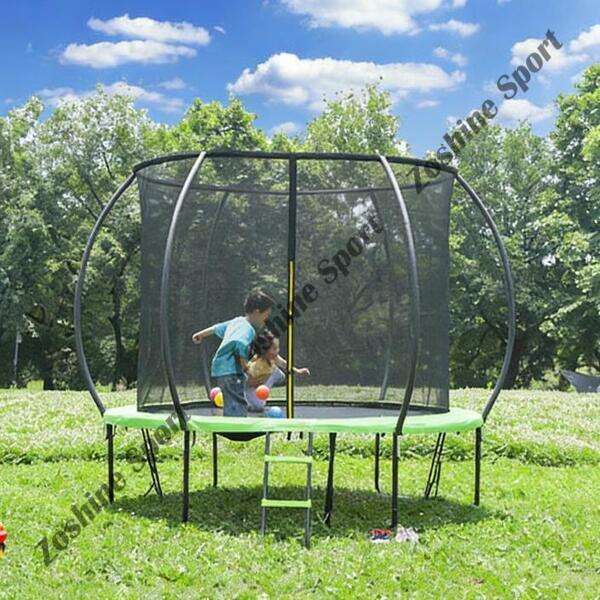
The global fitness trampoline market has experienced remarkable growth over the past decade, with North America and Europe emerging as the two most lucrative and quality-conscious regional markets. Within this competitive landscape, our manufacturing facility has consistently achieved the number one ranking for fitness trampoline exports to these demanding regions, a distinction that reflects years of strategic investment, rigorous quality standards, and deep market understanding. This leadership position stems from multiple interconnected factors including advanced manufacturing capabilities, comprehensive certification compliance, innovative product design, supply chain excellence, and customer-centric service frameworks that align precisely with Western market expectations.
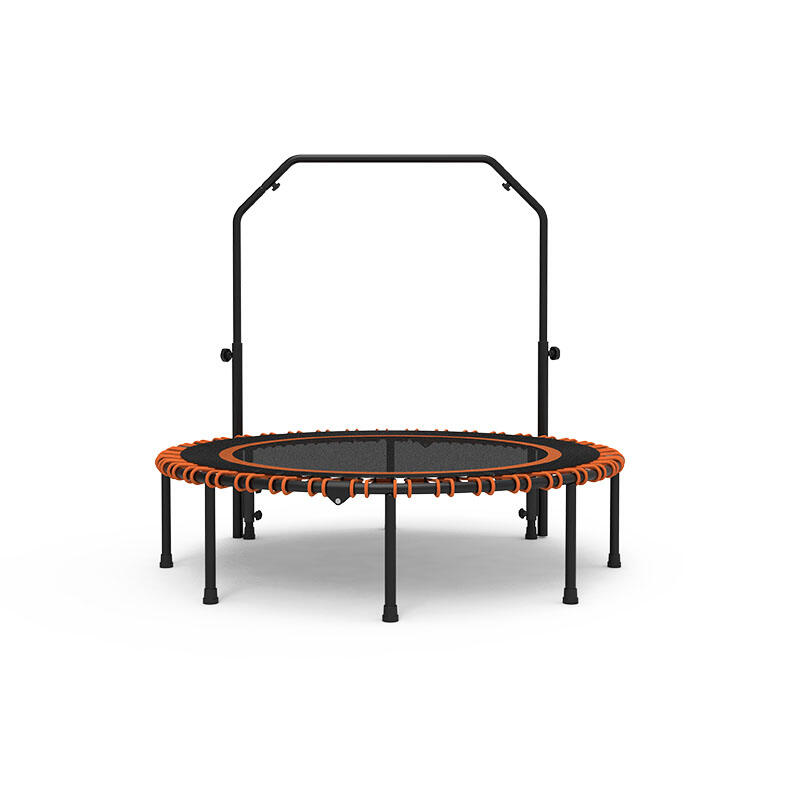
Achieving top-tier export status in the fitness trampoline sector requires far more than basic production capability. North American and European buyers evaluate suppliers based on multidimensional criteria that encompass product safety certifications, material sustainability, manufacturing consistency, logistical reliability, and after-sales support infrastructure. Our factory's number one ranking reflects a holistic approach to excellence that addresses each of these critical evaluation dimensions while maintaining competitive pricing structures. Understanding why we have earned this distinction provides valuable insights into what distinguishes superior fitness trampoline manufacturing in today's international trade environment and what buyers should prioritize when selecting export partners for their fitness equipment procurement needs.
Advanced Manufacturing Infrastructure and Quality Control Systems
State-of-the-Art Production Facilities Dedicated to Fitness Trampoline Manufacturing
Our factory operates a purpose-built manufacturing complex spanning over 85,000 square meters, specifically designed for fitness trampoline production with dedicated zones for frame fabrication, spring manufacturing, mat weaving, safety padding assembly, and final product integration. This specialized infrastructure enables us to maintain complete control over every component that enters a finished fitness trampoline unit, eliminating reliance on inconsistent third-party suppliers. The facility incorporates automated welding stations for steel frame construction, precision spring coiling machines calibrated to exact tension specifications, and UV-resistant mat production lines that ensure uniform jumping surface quality across every unit produced.
The manufacturing layout follows lean production principles with clearly defined workflow stages that minimize handling time and reduce potential quality inconsistencies. Each fitness trampoline progresses through sequential production stations where specialized teams focus on specific assembly tasks, creating expertise concentration that elevates overall product quality. This systematic approach allows us to produce up to 12,000 fitness trampoline units monthly while maintaining the quality consistency that North American and European markets demand, a production capacity that few competitors can match without compromising standards.
Multi-Layer Quality Inspection Protocols Throughout Production
Quality assurance begins at the raw material receiving stage where every steel tube shipment undergoes metallurgical testing to verify grade specifications, and every fabric roll receives tensile strength evaluation before entering production. Our fitness trampoline quality control system implements inspection checkpoints at seven distinct production stages, including post-welding frame integrity checks, spring tension consistency testing, mat-to-frame attachment strength verification, safety padding adhesion evaluation, and comprehensive final product performance testing that simulates extended use conditions.
Each completed fitness trampoline unit undergoes a mandatory 100-jump test performed by quality technicians who verify bounce consistency, structural stability, and absence of unusual sounds or movements. This rigorous testing protocol has reduced our defect rate to below 0.3 percent, significantly lower than the industry average of 2-4 percent for comparable fitness equipment categories. The multi-layer inspection approach ensures that only products meeting our exacting standards reach international shipping containers bound for North American and European distribution centers, protecting both our reputation and our customers' market positions.
Comprehensive International Certification and Regulatory Compliance
North American Safety Standards and Certification Portfolio
Our number one ranking for fitness trampoline exports to North America directly correlates with our complete portfolio of required safety certifications including ASTM F381 compliance for trampolines intended for home use, which specifies structural integrity requirements, entrapment hazard prevention, and warning label standards. Additionally, our products carry CPSC certification demonstrating compliance with Consumer Product Safety Commission guidelines that govern fitness equipment sold in the United States market. These certifications require annual facility audits, ongoing product testing, and documentation systems that many competing manufacturers find too burdensome to maintain consistently.
Beyond mandatory safety standards, our fitness trampoline product line has achieved voluntary certifications including the ASTM F2225 standard for residential trampolines and UL verification for electrical components in models featuring digital counters or LED lighting systems. This comprehensive certification approach eliminates import complications for our North American clients, reduces their liability exposure, and demonstrates our commitment to exceeding minimum regulatory requirements. The investment in maintaining these certifications costs our factory approximately 180,000 USD annually, but this expenditure directly supports our market leadership position by removing barriers that prevent many competitors from accessing premium distribution channels.
European Union Regulatory Compliance and CE Marking
European markets impose particularly stringent requirements for fitness equipment imports, with our factory maintaining full compliance with EN 13219 standards that govern trampolines for domestic use within EU member states. This European standard addresses construction requirements, performance specifications, safety features, and informational requirements that must accompany every fitness trampoline unit sold in the European economic area. Our products carry the CE marking indicating conformity with all applicable EU directives including the General Product Safety Directive and the Machinery Directive where relevant.
Additionally, our fitness trampoline materials comply with REACH regulations restricting hazardous substances, and our packaging materials meet EU waste directive requirements for recyclability and environmental impact minimization. European regulatory compliance extends beyond the product itself to encompass user manuals translated into multiple languages, warning labels meeting ISO 3864 pictogram standards, and traceability systems that allow individual unit tracking throughout distribution chains. This comprehensive regulatory alignment has made our factory the preferred supplier for European fitness equipment retailers and distributors who face significant penalties for non-compliant product imports, directly contributing to our number one export ranking in this demanding market region.
Product Innovation and Design Excellence Aligned with Western Market Preferences
Ergonomic Design Features Addressing North American and European User Expectations
Our fitness trampoline product development team conducts ongoing market research in target export regions to understand evolving user preferences and emerging design trends. This research has informed numerous design innovations including adjustable handlebar systems that accommodate users ranging from 150cm to 190cm in height, addressing the diverse body dimensions prevalent in Western populations. The handlebar design incorporates foam grip sections with ergonomic contouring that reduces hand fatigue during extended workout sessions, a feature specifically requested by North American fitness instructors who use trampolines for group exercise classes.
Frame geometry has been optimized through biomechanical analysis to provide the bounce characteristics preferred by Western users, with spring tension calibrated to support users weighing up to 300 pounds while maintaining responsive rebound action. Our fitness trampoline models feature six-leg or eight-leg support configurations that provide superior stability compared to four-leg designs common among budget competitors, addressing safety concerns particularly important to European consumers. The jumping mat surface incorporates a subtle texture pattern that enhances grip security without causing abrasion, balancing safety with comfort in ways that resonate with quality-conscious buyers in developed markets.
Aesthetic Refinement and Material Selection for Premium Market Positioning
Visual design quality significantly influences purchasing decisions in North American and European fitness equipment markets where products often occupy visible positions in home environments. Our fitness trampoline product line features powder-coated steel frames in contemporary color options including matte black, pearl white, and metallic gray that complement modern interior design aesthetics. The coating process utilizes environmentally responsible powder formulations that contain no volatile organic compounds, meeting the sustainability expectations increasingly common among Western consumers.
Safety padding materials employ dual-layer construction with high-density foam cores and UV-resistant PVC covers available in coordinated color schemes that enhance visual appeal. The attention to aesthetic detail extends to component integration where visible fasteners are minimized and connections achieve clean visual lines that distinguish our fitness trampoline products from industrial-looking alternatives. This design refinement has enabled our products to secure placement in premium retail channels including specialty fitness boutiques and high-end department stores throughout North America and Europe, market segments that generate significantly higher per-unit margins and contribute substantially to our overall export value rankings.
Supply Chain Efficiency and Logistics Excellence
Strategic Raw Material Sourcing and Inventory Management
Our factory maintains strategic partnerships with certified steel suppliers who provide mill test certificates for every material batch, ensuring consistent quality in the structural components that form the foundation of every fitness trampoline unit. The supply chain includes redundant sourcing arrangements with qualified alternate suppliers for critical components, protecting production continuity against potential disruptions. Raw material inventory levels are maintained at 45-60 days of production capacity, providing buffer against supply fluctuations while avoiding excessive capital tied up in storage.
Spring manufacturing utilizes music wire conforming to ASTM A228 specifications sourced exclusively from ISO 9001 certified suppliers with documented quality management systems. The fabric materials for jumping mats come from specialized technical textile manufacturers who provide UV resistance test data and tensile strength certifications for every production lot. This rigorous supply chain management ensures that quality consistency extends beyond our factory walls to encompass every component supplier, creating the reliable performance that has made our fitness trampoline products trusted choices for North American and European importers who cannot afford quality variability in their product offerings.
International Shipping Coordination and Documentation Expertise
Export success depends not only on product quality but also on logistics execution that ensures timely delivery and simplified customs clearance. Our factory employs dedicated export coordinators who manage shipping documentation including commercial invoices, packing lists, certificates of origin, and safety compliance declarations required for smooth customs processing in destination markets. The team maintains relationships with multiple international freight forwarders, enabling flexible routing options and competitive shipping rates that benefit our clients' landed cost structures.
Container loading follows optimized patterns developed through years of experience, maximizing the number of fitness trampoline units per 40-foot high-cube container while ensuring products arrive undamaged. Our current loading efficiency achieves 680-720 units per container depending on model mix, approximately 15 percent higher than industry standard loading densities. This efficiency directly reduces per-unit transportation costs for our customers, enhancing their competitive positioning in their respective markets. The combination of documentation accuracy, loading optimization, and freight coordination contributes to our reputation for delivery reliability that supports our number one export ranking by making us the preferred supplier for retailers and distributors who operate on tight inventory timelines.
Customer Service Infrastructure and Market Support Systems
Technical Support and After-Sales Service Capabilities
Our customer service framework includes English-speaking technical support staff available during North American and European business hours, addressing time zone challenges that complicate communication with many Asian manufacturers. The support team provides assembly guidance, troubleshooting assistance, and replacement part coordination, resolving issues that could otherwise result in customer dissatisfaction and returned merchandise. This service infrastructure has reduced return rates for our fitness trampoline exports to below 1.2 percent, compared to industry averages exceeding 4 percent for imported fitness equipment categories.
We maintain strategic inventory of replacement components including springs, safety pads, jumping mats, and handlebar assemblies at third-party logistics facilities in California and the Netherlands, enabling rapid fulfillment of warranty claims and spare part orders. This forward-positioned inventory approach costs approximately 95,000 USD annually in storage fees and tied capital, but the investment directly supports customer satisfaction and repeat business that sustains our market leadership position. Technical documentation including assembly instructions, maintenance guidelines, and workout suggestions are professionally translated and culturally adapted for target markets, demonstrating attention to detail that resonates with quality-focused buyers.
Customization Services and Private Label Capabilities
Many North American and European fitness trampoline importers seek to develop proprietary brands that differentiate their offerings in competitive retail environments. Our factory provides comprehensive private label services including custom color schemes, branded handlebar grips, personalized safety padding with customer logos, and customized packaging designs that support brand development initiatives. The minimum order quantity for customized fitness trampoline production is 500 units, accessible to mid-sized importers while maintaining production efficiency.
Design consultation services help customers develop product specifications that align with their target market segments and price positioning strategies. Our product development team can modify frame dimensions, adjust spring configurations, and specify alternative materials to create differentiated fitness trampoline variants that meet specific performance or aesthetic objectives. This flexibility has made our factory the preferred manufacturing partner for emerging fitness brands and established sporting goods companies alike, contributing to diverse customer relationships that stabilize export volumes and reinforce our number one ranking across economic cycles and market fluctuations.
FAQ
What specific certifications make a fitness trampoline factory suitable for North American exports?
North American fitness trampoline exports require ASTM F381 compliance which covers structural integrity and safety requirements, CPSC certification demonstrating adherence to Consumer Product Safety Commission standards, and ideally ASTM F2225 certification for residential trampolines. Factories should also provide documentation of material safety testing and maintain quality management systems verified through ISO 9001 certification. These certifications ensure products meet legal requirements and liability standards expected in the United States and Canadian markets.
How does European regulatory compliance differ from North American requirements for fitness trampolines?
European fitness trampoline imports must comply with EN 13219 standards specific to trampolines for domestic use within EU member states, and carry CE marking indicating conformity with applicable EU directives including the General Product Safety Directive. Additionally, European regulations impose REACH compliance for material composition, require multilingual documentation, and mandate specific pictogram-based warning labels conforming to ISO 3864 standards. European compliance tends to be more prescriptive regarding chemical content and environmental impact compared to North American standards which focus primarily on mechanical safety performance.
What production capacity should a top-ranked fitness trampoline export factory maintain?
Leading fitness trampoline export facilities typically maintain monthly production capacity of 10,000-15,000 units to serve the volume requirements of major North American and European distribution channels while preserving quality consistency. This capacity level requires approximately 80,000-100,000 square feet of dedicated manufacturing space, 150-200 trained production workers, and automated equipment for critical processes like frame welding and spring manufacturing. Capacity must be balanced with quality control capabilities, as excessive production speed often compromises the inspection thoroughness necessary for premium market positioning.
How important is after-sales service infrastructure for maintaining leading export positions in fitness trampoline markets?
After-sales service capabilities are critically important for sustained export success in developed markets where customer expectations include responsive technical support and rapid replacement part availability. Leading factories maintain English-language customer service teams, forward-positioned spare part inventories in destination regions, and comprehensive technical documentation that reduces return rates and supports positive brand reputation. The investment in service infrastructure typically represents 3-5 percent of revenue but directly influences repeat business rates and distribution channel relationships that determine long-term market position in competitive fitness equipment categories.
Table of Contents
- Advanced Manufacturing Infrastructure and Quality Control Systems
- Comprehensive International Certification and Regulatory Compliance
- Product Innovation and Design Excellence Aligned with Western Market Preferences
- Supply Chain Efficiency and Logistics Excellence
- Customer Service Infrastructure and Market Support Systems
-
FAQ
- What specific certifications make a fitness trampoline factory suitable for North American exports?
- How does European regulatory compliance differ from North American requirements for fitness trampolines?
- What production capacity should a top-ranked fitness trampoline export factory maintain?
- How important is after-sales service infrastructure for maintaining leading export positions in fitness trampoline markets?