
 EN
EN
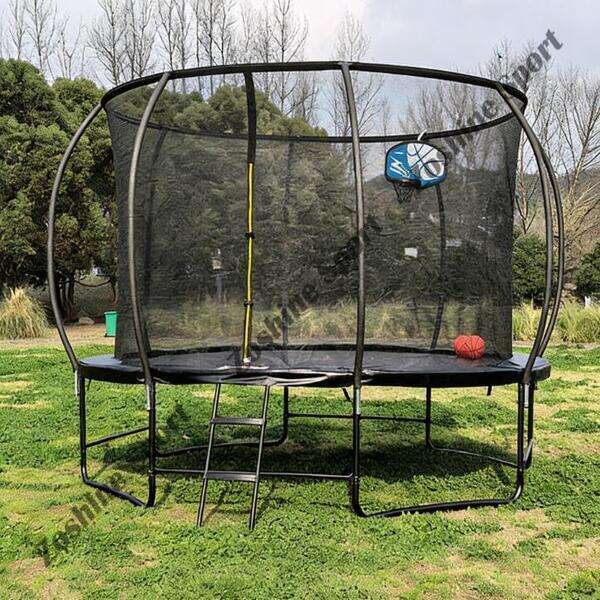
Professional fitness buyers operating in the global equipment procurement market face increasing pressure to balance quality assurance, manufacturing reliability, and cost efficiency when sourcing fitness trampolines for their brands. The decision to partner with a leading fitness trampoline factory for OEM orders stems from a complex evaluation of production capabilities, quality control systems, intellectual property protection, and supply chain stability. Understanding why industry professionals consistently choose top-tier manufacturing partners reveals critical insights into the fitness equipment sourcing landscape and the competitive advantages that differentiate premier manufacturers from ordinary suppliers.
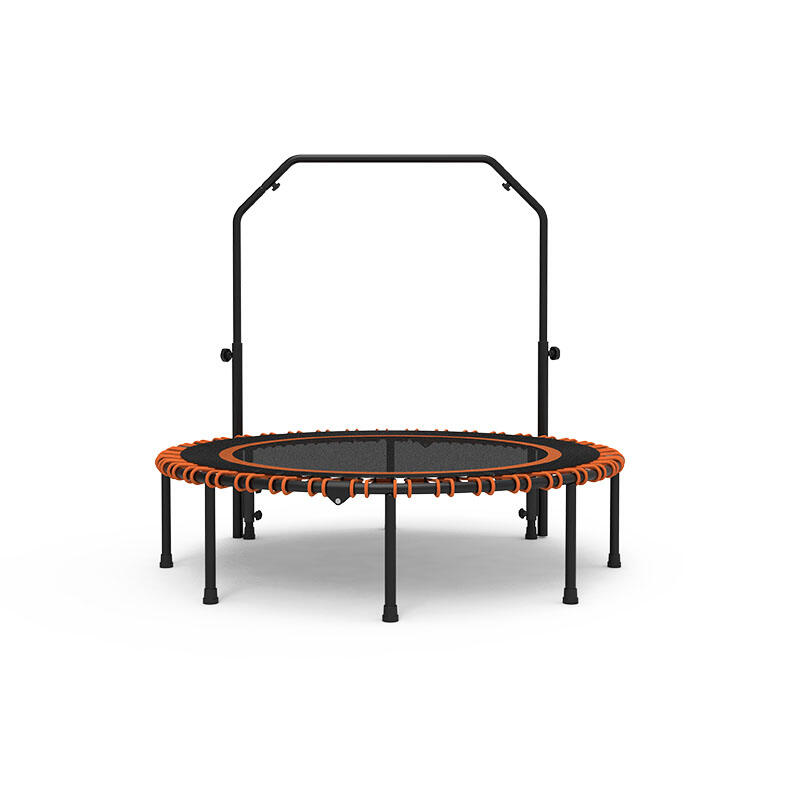
The trust relationship between professional buyers and established fitness trampoline factory operations is built on demonstrable performance across multiple business cycles, proven capacity to handle complex customization requirements, and consistent delivery of products that meet stringent international safety standards. This trust becomes particularly critical when buyers need to protect their brand reputation through reliable OEM partnerships that can scale production volumes while maintaining quality consistency across thousands of units. The following analysis explores the fundamental reasons why experienced procurement professionals gravitate toward industry-leading manufacturers for their fitness trampoline sourcing needs.
Manufacturing Excellence and Quality Assurance Systems
Advanced Production Infrastructure and Technology Integration
A top-tier fitness trampoline factory distinguishes itself through significant capital investment in specialized manufacturing equipment designed specifically for trampoline assembly, frame fabrication, and spring tensioning systems. Professional buyers recognize that factories equipped with automated welding stations, computerized spring attachment systems, and precision cutting machinery deliver superior consistency compared to facilities relying on manual assembly processes. These technological advantages translate directly into dimensional accuracy, structural integrity, and performance reliability that meets the exacting standards of commercial fitness environments.
The integration of quality monitoring systems throughout the production line enables real-time defect detection and process adjustment, minimizing the risk of batch-level quality issues that could damage a buyer's brand reputation. Leading manufacturers implement statistical process control methodologies that track critical parameters such as frame alignment tolerances, spring tension uniformity, and mat surface consistency. Professional buyers value these systematic approaches because they provide documented evidence of quality management rather than relying solely on final inspection protocols that may miss subtle manufacturing variations.
Comprehensive Testing and Certification Capabilities
Established fitness trampoline factory operations maintain on-site testing laboratories equipped to conduct structural load testing, fatigue cycle simulations, and safety standard compliance verification according to international protocols including EN 957, ASTM F1975, and ISO 20957 standards. This internal testing capacity allows buyers to verify product performance claims through independent validation before committing to large-scale orders. The ability to witness testing procedures and review detailed test reports provides procurement professionals with confidence that products will perform as specified under real-world usage conditions in commercial fitness facilities.
Beyond basic safety testing, premium manufacturers conduct environmental stress testing including UV exposure simulation, temperature cycling, and humidity resistance evaluation to ensure product durability across diverse climate conditions. Professional buyers appreciate this comprehensive approach because it reduces warranty claims and product returns that can significantly impact their total cost of ownership. The documentation generated through these testing protocols also supports regulatory compliance requirements in different markets, streamlining the certification process for buyers selling into multiple geographic regions.
Material Selection and Supply Chain Control
Leading fitness trampoline factory partners maintain direct relationships with certified raw material suppliers for critical components including high-carbon steel springs, corrosion-resistant frame tubing, and commercial-grade polypropylene mat materials. This supply chain control ensures material consistency and traceability, which are essential for maintaining product quality across production runs spanning months or years. Professional buyers recognize that factories with established material sourcing protocols are less vulnerable to quality variations caused by supplier substitutions or cost-cutting measures that compromise product performance.
The material verification processes employed by top manufacturers include incoming inspection procedures, material certification reviews, and periodic third-party testing to confirm that supplied materials meet specified standards. These quality gates prevent substandard materials from entering the production process, protecting buyers from the costly consequences of field failures resulting from material defects. Experienced procurement professionals specifically inquire about material sourcing practices during factory audits because they understand that material quality forms the foundation of product reliability and long-term performance.
OEM Customization Capabilities and Design Support
Engineering Resources and Product Development Expertise
Professional buyers trust established fitness trampoline factory partners because they maintain dedicated engineering teams capable of translating brand-specific requirements into manufacturable product designs. These engineering resources provide critical support during the customization process, offering technical guidance on feasible design modifications, performance optimization opportunities, and manufacturing cost implications of various design choices. The collaborative approach enables buyers to develop differentiated products that align with their brand positioning while remaining within practical manufacturing and budget constraints.
The product development capabilities of leading manufacturers extend beyond simple cosmetic customization to include structural modifications, alternative material selections, and feature integration that addresses specific market segments. This flexibility allows buyers to create product variants optimized for different user demographics, usage environments, or price points without requiring investment in entirely separate manufacturing tooling. Professional buyers value this adaptability because it enables rapid market response and product line expansion without the capital intensity associated with developing in-house manufacturing capabilities.
Prototyping and Pre-Production Validation
A distinguishing characteristic of premium fitness trampoline factory operations is their capacity to produce functional prototypes that allow buyers to evaluate customized designs before committing to full production runs. This prototyping capability reduces the risk of costly design errors and ensures that final products meet buyer specifications across all critical performance parameters. Professional buyers utilize the prototyping phase to conduct user testing, gather market feedback, and refine design elements based on real-world evaluation rather than theoretical assumptions.
The pre-production validation process employed by experienced manufacturers includes first article inspection protocols that verify all customization elements have been correctly implemented and meet agreed specifications before mass production begins. This systematic approach prevents misunderstandings about design intent and ensures that production tooling, assembly procedures, and quality control checkpoints are properly configured for the customized product. Buyers appreciate this disciplined approach because it minimizes production delays and quality issues during the critical ramp-up phase when market timing may be essential for product launch success.
Intellectual Property Protection and Confidentiality
Professional buyers place significant trust in leading fitness trampoline factory partners regarding the protection of proprietary designs, brand-specific features, and confidential product development information. Established manufacturers implement formal intellectual property protection protocols including non-disclosure agreements, restricted access to customer-specific tooling and designs, and physical separation of production lines handling competing brands. These safeguards are essential for buyers who invest substantially in product differentiation and cannot risk unauthorized reproduction of their unique designs.
The reputation risk associated with intellectual property violations creates strong incentives for top-tier manufacturers to maintain strict confidentiality practices, as any breach would severely damage their ability to attract premium clients. Professional buyers conduct due diligence regarding IP protection practices during factory qualification processes, recognizing that a manufacturer's track record in protecting client designs serves as a reliable indicator of their business ethics and long-term partnership potential. This trust dimension becomes particularly important when buyers share proprietary technical innovations or market-specific design adaptations that represent competitive advantages in their target markets.
Production Capacity and Supply Chain Reliability
Scalable Manufacturing Volume and Flexibility
Experienced fitness equipment buyers understand that a leading fitness trampoline factory must demonstrate not only quality production capabilities but also the capacity to scale volumes in response to market demand fluctuations without compromising delivery timelines or product consistency. This scalability requirement necessitates adequate production floor space, redundant manufacturing lines, and workforce management systems capable of expanding and contracting efficiently. Professional buyers evaluate production capacity during factory assessments, examining historical order fulfillment data and surge capacity capabilities to ensure the manufacturer can support growth trajectories and seasonal demand patterns.
The flexibility to adjust production schedules and prioritize urgent orders represents another critical dimension of supply chain reliability that distinguishes premium manufacturers from commodity suppliers. Buyers operating in competitive markets require partners who can accommodate expedited production runs, product mix changes, and specification modifications with minimal disruption to overall delivery schedules. This operational agility depends on sophisticated production planning systems, cross-trained workforce capabilities, and management commitment to customer responsiveness rather than rigid adherence to fixed production schedules.
Logistics Coordination and Global Distribution Support
Top-tier fitness trampoline factory operations provide comprehensive logistics support that extends beyond factory gate delivery to include container loading optimization, international shipping documentation, customs compliance assistance, and coordination with freight forwarders. Professional buyers value this integrated approach because it simplifies the complex logistics of international procurement and reduces the administrative burden associated with managing multiple service providers. The logistics expertise maintained by experienced manufacturers helps buyers avoid common pitfalls such as improper container loading, inadequate product protection during transit, and documentation errors that cause customs delays.
Advanced manufacturers maintain strategic inventory positions for common components and finished goods, enabling faster response to replenishment orders and reducing the lead time between order placement and product availability. This inventory investment demonstrates manufacturer commitment to supporting buyer business continuity and represents a significant competitive advantage when buyers face unexpected demand spikes or need to respond rapidly to market opportunities. Professional procurement teams specifically evaluate inventory management capabilities during supplier selection because they recognize that supply chain velocity directly impacts their own market competitiveness and customer satisfaction levels.
Risk Mitigation and Business Continuity Planning
Professional buyers trust established fitness trampoline factory partners because these manufacturers implement formal risk management and business continuity protocols that protect against supply disruptions from natural disasters, equipment failures, or workforce issues. These protocols typically include backup power systems, redundant manufacturing equipment for critical processes, diversified supplier bases for key materials, and documented contingency plans for various disruption scenarios. The investment in business continuity infrastructure reflects manufacturer recognition that supply reliability is foundational to long-term customer relationships and competitive positioning.
The transparency that leading manufacturers provide regarding their risk management practices enables buyers to conduct informed assessments of supply chain vulnerability and develop appropriate contingency plans for their own operations. This open communication about potential risks and mitigation strategies contrasts sharply with the opaque practices of less sophisticated suppliers who may conceal capacity constraints or operational challenges until they result in delivery failures. Professional buyers value this transparency because it enables proactive risk management rather than reactive crisis response when supply disruptions occur.
Regulatory Compliance and Market Access Support
International Safety Standard Adherence
A primary reason professional buyers partner with leading fitness trampoline factory operations is their demonstrated capability to manufacture products compliant with diverse international safety standards including European EN 957 requirements, American ASTM standards, and various national certification schemes. This compliance capability requires deep technical knowledge of standard requirements, established relationships with accredited testing laboratories, and quality systems designed to maintain certification validity across production runs. Buyers entering multiple international markets depend on these compliance capabilities to avoid costly certification delays and market access barriers.
The documentation and traceability systems maintained by premium manufacturers provide the audit trails necessary to demonstrate ongoing compliance with safety standards and respond effectively to regulatory inquiries or product liability claims. Professional buyers recognize that inadequate documentation can expose them to significant legal and financial risks if product safety questions arise, making manufacturer documentation practices a critical evaluation criterion. Leading fitness trampoline factory partners provide comprehensive technical files, test reports, and material certifications that support regulatory submissions and protect buyers from compliance-related market risks.
Chemical Compliance and Environmental Standards
Beyond structural safety requirements, professional buyers must address increasingly stringent chemical content regulations such as REACH in Europe, California Proposition 65 in the United States, and various phthalate restrictions globally. Top-tier fitness trampoline factory operations maintain material specifications and supplier qualification programs that ensure chemical compliance across their supply chains, protecting buyers from the severe market consequences of non-compliant products. This compliance infrastructure includes regular testing for restricted substances, supplier declarations regarding chemical content, and documentation systems that provide traceability for all product materials.
The proactive approach to environmental compliance demonstrated by leading manufacturers extends to sustainable manufacturing practices, waste management systems, and environmental certification programs that support buyer sustainability commitments and corporate social responsibility objectives. Professional buyers increasingly face stakeholder pressure to demonstrate supply chain sustainability, making manufacturer environmental performance an important consideration in sourcing decisions. The transparency and continuous improvement in environmental practices shown by premium fitness trampoline factory partners provide buyers with credible sustainability credentials that support their brand positioning and stakeholder communication strategies.
Factory Audit Readiness and Transparency
Established manufacturers understand that professional buyers require thorough factory audits as part of their supplier qualification and ongoing monitoring processes, and they maintain operations that welcome scrutiny rather than obscure problems. This audit readiness reflects confidence in manufacturing practices, quality systems, and workplace conditions that meet international standards. The openness to buyer audits and third-party assessments demonstrates manufacturer commitment to transparent business practices and continuous improvement, building the trust foundation essential for long-term OEM partnerships.
The audit documentation and corrective action processes maintained by premium fitness trampoline factory operations provide buyers with confidence that identified issues will be systematically addressed rather than temporarily concealed during audit visits. Professional buyers evaluate manufacturer responsiveness to audit findings as an indicator of management quality and organizational culture, recognizing that manufacturers who embrace feedback and implement improvements represent lower-risk, higher-value partnerships. This collaborative approach to quality management contrasts sharply with defensive postures adopted by less sophisticated suppliers who view audits as threatening rather than constructive.
Cost Structure Transparency and Long-Term Value
Total Cost of Ownership Optimization
Professional buyers recognize that initial purchase price represents only one component of total cost of ownership, and they trust leading fitness trampoline factory partners to deliver superior value through reduced warranty costs, lower return rates, extended product lifecycles, and minimized logistics complications. This total cost perspective requires sophisticated cost analysis capabilities and willingness to invest in higher-quality products that deliver better long-term economics despite potentially higher upfront costs. Experienced manufacturers support this analytical approach by providing detailed cost breakdowns, warranty data from similar products, and lifecycle cost modeling that enables informed purchasing decisions.
The pricing stability offered by established manufacturers represents another dimension of cost transparency that professional buyers value highly. Manufacturers with disciplined cost management and strategic material sourcing can provide consistent pricing across contract periods, enabling buyers to maintain stable product pricing and protect margin structures. This pricing reliability contrasts with the volatile quoting practices of opportunistic suppliers who adjust prices frequently based on short-term market conditions, creating budgeting challenges and customer relationship complications for buyers.
Investment in Continuous Improvement
Leading fitness trampoline factory operations demonstrate their long-term commitment to customer value through ongoing investments in manufacturing process improvements, material technology adoption, and efficiency enhancements that ultimately benefit buyers through improved quality or reduced costs. Professional buyers appreciate partnerships with manufacturers who view relationships as long-term collaborations rather than transactional exchanges, recognizing that supplier investment in capabilities creates sustainable competitive advantages. This improvement orientation manifests in systematic initiatives such as lean manufacturing implementations, automation projects, and quality system enhancements that yield measurable performance gains over time.
The willingness of premium manufacturers to share efficiency gains with buyers through periodic cost reductions or value-added features demonstrates the partnership mindset that characterizes trusted supplier relationships. Professional procurement teams specifically evaluate manufacturer improvement trajectories and innovation investments during supplier selection, understanding that suppliers committed to advancement will deliver increasing value over multi-year relationships. This forward-looking assessment contrasts with purely price-focused sourcing approaches that often result in declining supplier capabilities and relationship deterioration over time.
Financial Stability and Partnership Longevity
Professional buyers conducting due diligence on fitness trampoline factory partners evaluate financial stability indicators including years in operation, capital investment history, customer retention rates, and growth trajectories as signals of reliable long-term partnership potential. Financial stability matters because buyers invest substantial resources in supplier qualification, product development, and market development that create switching costs and make supplier failures particularly disruptive. Established manufacturers with proven business models and sound financial management represent lower-risk partnerships that support buyer strategic planning over multi-year horizons.
The relationship continuity enabled by financially stable manufacturers provides buyers with consistent product quality, preserved institutional knowledge about product specifications and buyer requirements, and sustained access to engineering support and customization capabilities. These continuity benefits accumulate over time as manufacturers develop deep understanding of buyer needs, market positioning, and operational preferences that enable increasingly efficient collaboration. Professional buyers recognize that the transaction costs of changing suppliers extend far beyond direct procurement expenses to include quality risks, product consistency challenges, and market disruption potential that can significantly impact business performance.
FAQ
What specific certifications should buyers verify when evaluating a fitness trampoline factory for OEM partnerships?
Professional buyers should verify that manufacturers hold relevant ISO 9001 quality management system certifications demonstrating systematic quality control processes. Additionally, product-specific certifications such as EN 957-8 for training equipment, ASTM F1975 for trampolines, and GS marks indicating German safety standard compliance provide evidence of product safety and performance capabilities. Buyers should also verify that manufacturers maintain certification from accredited bodies rather than unrecognized certifiers, and request copies of actual certificates with validity dates rather than relying on verbal claims. Social compliance certifications such as BSCI, SEDEX, or equivalent programs indicate adherence to ethical manufacturing standards increasingly required by major retailers and corporate buyers.
How can buyers assess the true production capacity of a fitness trampoline factory during supplier evaluation?
Buyers should request detailed information about production line configurations, shift operations, and actual historical output data rather than theoretical capacity claims that may not reflect real-world performance. Factory tours should include observation of production floor utilization, workforce levels across different times, and inventory levels that indicate actual throughput rates. Professional buyers ask for customer references who can verify delivery performance during peak seasons when capacity constraints become evident. Evaluation of warehouse space, finished goods inventory systems, and component stocking levels provides additional insights into manufacturer ability to buffer demand fluctuations and maintain consistent delivery performance across varying order patterns.
What are the typical lead times for custom OEM fitness trampoline orders from established manufacturers?
Lead times for custom OEM fitness trampoline orders typically range from 45 to 90 days depending on customization complexity, order volume, and current production schedules at the fitness trampoline factory. Initial orders requiring new tooling, custom components, or significant design modifications generally require longer lead times in the 60-90 day range to accommodate engineering validation, prototype development, and production setup activities. Repeat orders with established specifications and existing tooling typically achieve shorter lead times in the 45-60 day range. Premium manufacturers often maintain component inventory for common customization elements, enabling faster turnaround for orders using these pre-qualified materials. Buyers should establish clear communication protocols regarding lead time expectations during contract negotiations and build appropriate buffer time into their market launch planning to accommodate potential delays.
How do leading fitness trampoline factory operations handle quality issues or product defects discovered after delivery?
Reputable manufacturers maintain formal warranty policies and defect resolution procedures that provide clear processes for reporting quality issues, investigating root causes, and implementing corrective actions. Professional buyers should establish written agreements defining quality standards, acceptable defect rates, inspection procedures, and remediation obligations before placing orders. Leading fitness trampoline factory partners typically offer replacement products or credit adjustments for confirmed defects and implement corrective action plans to prevent recurrence. The responsiveness and transparency manufacturers demonstrate when addressing quality issues serve as critical indicators of their long-term reliability and partnership orientation. Buyers should document quality performance over time through systematic tracking of defect rates, warranty claims, and resolution effectiveness to guide ongoing supplier performance management and relationship continuation decisions.
Table of Contents
- Manufacturing Excellence and Quality Assurance Systems
- OEM Customization Capabilities and Design Support
- Production Capacity and Supply Chain Reliability
- Regulatory Compliance and Market Access Support
- Cost Structure Transparency and Long-Term Value
-
FAQ
- What specific certifications should buyers verify when evaluating a fitness trampoline factory for OEM partnerships?
- How can buyers assess the true production capacity of a fitness trampoline factory during supplier evaluation?
- What are the typical lead times for custom OEM fitness trampoline orders from established manufacturers?
- How do leading fitness trampoline factory operations handle quality issues or product defects discovered after delivery?