
 EN
EN
Safety testing standards for pumpkin trampolines represent a critical foundation for ensuring user protection and product durability in recreational equipment manufacturing. When evaluating what safety testing standards a quality pumpkin trampoline should meet, manufacturers and consumers must consider comprehensive load-bearing assessments, spring fatigue resistance protocols, and rust resistance evaluations that directly impact long-term performance and user safety.
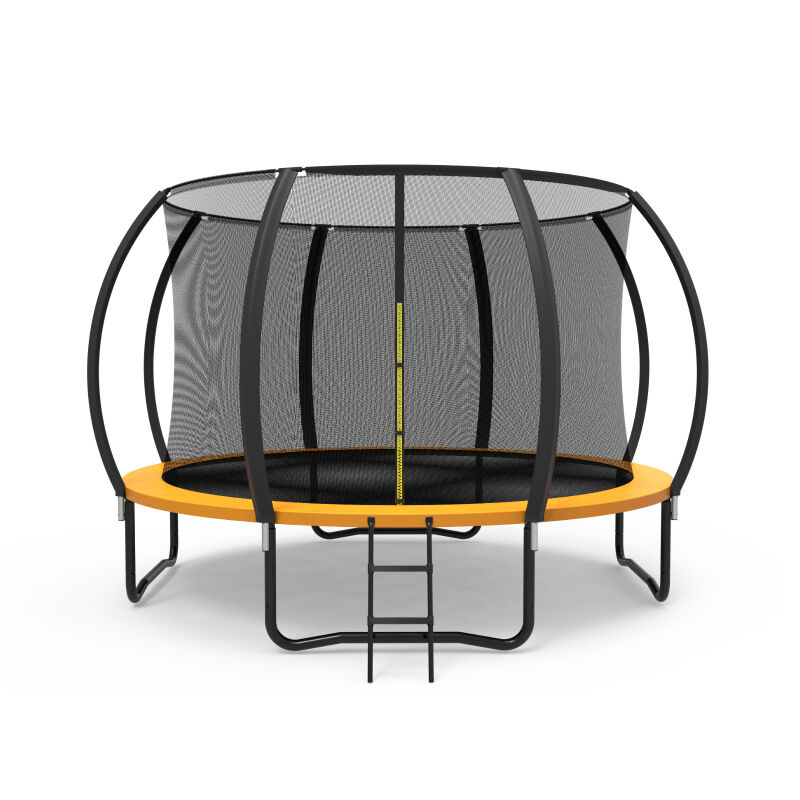
The distinctive pumpkin-shaped design of these trampolines introduces unique structural considerations that require specialized safety testing approaches beyond conventional round trampoline standards. Understanding the specific testing requirements for load capacity, spring durability, and corrosion resistance helps ensure that your pumpkin trampoline meets industry safety expectations while providing reliable family entertainment for years to come.
Load Testing Standards for Pumpkin Trampoline Safety
Static Load Testing Requirements
Static load testing for pumpkin trampoline structures must evaluate the frame's ability to support distributed weight across the jumping surface without permanent deformation or structural failure. Industry standards typically require testing at 150% to 200% of the advertised weight capacity, ensuring the pumpkin trampoline can safely accommodate multiple users simultaneously. The unique curved geometry of pumpkin trampolines creates specific stress concentration points that require careful evaluation during static load assessments.
Testing protocols should include gradual load application using calibrated weights positioned at various points across the jumping mat surface. The pumpkin trampoline frame must demonstrate consistent load distribution without excessive deflection at the characteristic bulge sections that define the pumpkin shape. Professional testing facilities measure frame deformation under maximum load conditions, ensuring recovery to original dimensions within acceptable tolerance ranges after load removal.
Dynamic Load Testing Protocols
Dynamic load testing simulates real-world bouncing conditions that pumpkin trampolines experience during normal use, incorporating impact forces and repetitive loading cycles that exceed static weight requirements. Testing equipment applies controlled bouncing motions at various frequencies and amplitudes to evaluate how the pumpkin trampoline responds to dynamic stress patterns throughout extended use periods.
The distinctive pumpkin shape requires specialized dynamic testing that accounts for asymmetrical loading patterns and variable spring tension distribution around the curved perimeter. Testing protocols must verify that the pumpkin trampoline maintains structural integrity under repeated impact loads while preserving consistent bounce characteristics across the entire jumping surface. Dynamic load testing typically involves thousands of bounce cycles at different intensity levels to simulate years of normal family use.
Multi-User Load Distribution Analysis
Multi-user load testing addresses the common scenario where multiple children or family members use the pumpkin trampoline simultaneously, creating complex loading patterns that differ significantly from single-user conditions. Testing procedures evaluate how weight distribution affects frame stability and spring performance when users of varying sizes occupy different sections of the jumping surface.
The pumpkin trampoline's curved geometry influences how multiple users naturally position themselves during play, often concentrating near the center or spreading toward the characteristic bulge areas. Safety testing must verify that the frame and spring system can accommodate these realistic usage patterns without compromising structural integrity or creating unsafe bounce conditions that could lead to user collisions or falls.
Spring Fatigue Testing Standards and Durability Assessment
Cyclic Fatigue Testing Requirements
Spring fatigue testing for pumpkin trampolines involves subjecting individual springs and the complete spring assembly to millions of compression and extension cycles that simulate years of regular use. Testing protocols typically require springs to endure between 100,000 to 500,000 cycles at various load levels while maintaining consistent performance characteristics throughout the testing period.
The unique perimeter shape of pumpkin trampolines creates varying spring angles and tension requirements around the curved frame sections, necessitating fatigue testing that accounts for these geometric differences. Springs positioned at the characteristic pumpkin bulges may experience different stress patterns compared to those in transitional curve areas, requiring comprehensive testing across all spring positions to ensure uniform durability.
Professional fatigue testing measures spring rate consistency, maximum extension capabilities, and elastic recovery properties throughout the extended cycling period. Quality pumpkin trampolines should demonstrate minimal spring rate degradation and maintain consistent bounce characteristics even after extensive fatigue testing, ensuring reliable performance throughout the product's expected service life.
Temperature Cycling and Environmental Stress Testing
Environmental stress testing evaluates how pumpkin trampoline springs perform under varying temperature conditions that simulate seasonal outdoor exposure throughout multiple years of use. Testing protocols subject springs to temperature cycling between extreme cold and hot conditions while monitoring changes in elastic properties and structural integrity.
The pumpkin trampoline spring system must maintain consistent performance across temperature ranges typically encountered in residential outdoor environments, from winter storage conditions to peak summer heat exposure. Temperature cycling tests often combine thermal stress with mechanical loading to simulate realistic conditions where springs experience both environmental and usage stresses simultaneously.
Spring Attachment Point Integrity Testing
Spring attachment testing focuses on the connection points where springs attach to both the jumping mat and the pumpkin trampoline frame, evaluating these critical interfaces under repeated stress loading. These connection points represent potential failure locations that require thorough testing to ensure long-term reliability and user safety.
Testing procedures apply controlled forces to spring attachments while monitoring for signs of wear, loosening, or structural degradation that could compromise the spring system's integrity. The curved geometry of pumpkin trampolines creates unique angular forces at attachment points that differ from conventional round trampolines, requiring specialized testing approaches that account for these geometric considerations.
Rust Resistance and Corrosion Testing Standards
Salt Spray Testing Protocols
Salt spray testing represents the gold standard for evaluating rust resistance in pumpkin trampoline frames and hardware components, simulating accelerated corrosion conditions that exceed typical outdoor exposure scenarios. Testing facilities subject frame sections and hardware to continuous salt mist exposure for hundreds of hours while monitoring for signs of corrosion initiation and progression.
The complex geometry of pumpkin trampoline frames creates numerous crevices and joint areas where moisture and corrosive elements can accumulate, making comprehensive salt spray testing essential for ensuring long-term durability. Testing protocols must evaluate both exposed surfaces and hidden areas such as weld joints and connection points where corrosion often initiates in outdoor recreational equipment.
Quality pumpkin trampolines should demonstrate minimal rust formation even after extended salt spray exposure, maintaining structural integrity and aesthetic appearance throughout the testing period. Post-test evaluation includes detailed inspection of all frame surfaces and hardware components to identify any areas of concern that might compromise long-term performance or safety.
Humidity and Moisture Resistance Testing
Humidity testing evaluates how pumpkin trampoline materials respond to sustained high-moisture conditions that simulate humid climates or seasonal exposure to rain and morning dew. Testing chambers maintain controlled humidity levels while monitoring material degradation, corrosion development, and any changes in structural properties over extended exposure periods.
The curved surfaces and joint configurations of pumpkin trampolines can create areas where moisture tends to collect and persist, making humidity resistance testing particularly important for these designs. Testing protocols must verify that protective coatings and material treatments remain effective under sustained moisture exposure without compromising the frame's structural integrity or safety performance.
UV and Weather Resistance Evaluation
Weather resistance testing combines UV exposure with moisture cycling to simulate realistic outdoor aging conditions that pumpkin trampolines experience throughout their service life. Testing equipment subjects materials to accelerated weathering cycles that compress years of outdoor exposure into weeks or months of controlled testing.
The distinctive pumpkin shape creates varying exposure angles that may result in different weathering patterns across the frame surface, requiring comprehensive testing that accounts for these geometric variations. Quality pumpkin trampolines should maintain protective coating integrity and structural properties even after extensive weather resistance testing, ensuring reliable outdoor performance throughout multiple seasons of use.
Integrated Safety Testing and Certification Requirements
Third-Party Testing and Verification
Independent third-party testing provides objective verification that pumpkin trampolines meet established safety standards without manufacturer bias or conflicts of interest. Accredited testing laboratories follow standardized protocols while maintaining detailed documentation of all test procedures and results for regulatory compliance and consumer confidence.
The complexity of pumpkin trampoline safety testing requires specialized facilities with expertise in recreational equipment evaluation and the capability to conduct comprehensive load, fatigue, and corrosion testing programs. Third-party certification provides consumers with reliable assurance that their pumpkin trampoline has undergone rigorous safety evaluation by qualified professionals using industry-standard testing methods.
Ongoing Quality Assurance and Batch Testing
Continuous quality assurance programs ensure that pumpkin trampoline safety standards are maintained throughout production runs rather than only during initial design certification. Batch testing protocols evaluate samples from regular production to verify consistent manufacturing quality and adherence to established safety standards.
Quality assurance testing for pumpkin trampolines typically includes abbreviated versions of full safety test protocols, focusing on critical safety parameters while maintaining production efficiency. This ongoing testing approach helps identify potential manufacturing variations that could compromise safety performance before products reach consumers.
Documentation and Traceability Requirements
Comprehensive documentation requirements ensure that safety testing results and manufacturing records provide complete traceability for pumpkin trampoline safety compliance. Testing documentation must include detailed test procedures, results, and any deviations from standard protocols along with corrective actions taken to address identified issues.
Traceability systems for pumpkin trampolines enable manufacturers to track safety testing compliance throughout the production process while providing consumers and regulatory authorities with access to relevant safety information. Proper documentation supports warranty claims, regulatory compliance, and continuous improvement efforts in pumpkin trampoline safety and quality.
FAQ
What are the minimum load testing requirements for a safe pumpkin trampoline?
A quality pumpkin trampoline should undergo load testing at 150% to 200% of its advertised weight capacity, including both static and dynamic load assessments. Testing must evaluate the unique curved frame geometry and verify consistent performance across all sections of the jumping surface, ensuring the trampoline can safely accommodate multiple users while maintaining structural integrity under normal use conditions.
How many spring fatigue cycles should a pumpkin trampoline spring system endure?
Professional spring fatigue testing for pumpkin trampolines typically requires springs to complete between 100,000 to 500,000 compression and extension cycles while maintaining consistent performance characteristics. The testing must account for the unique angular forces created by the pumpkin shape and verify that springs maintain proper tension and bounce quality throughout the extended testing period.
What rust resistance testing standards apply to pumpkin trampoline frames?
Pumpkin trampoline frames should undergo salt spray testing for hundreds of hours to simulate accelerated corrosion conditions, combined with humidity and UV weather resistance testing. The complex geometry of pumpkin frames requires comprehensive evaluation of all surfaces, joints, and hardware components to ensure adequate corrosion protection throughout years of outdoor exposure.
Why do pumpkin trampolines require different safety testing than round trampolines?
The distinctive curved geometry of pumpkin trampolines creates unique stress patterns, asymmetrical loading conditions, and varying spring angles that differ significantly from conventional round designs. These geometric differences require specialized testing approaches that account for stress concentration points at the characteristic bulges and ensure consistent safety performance across all sections of the curved jumping surface.
Table of Contents
- Load Testing Standards for Pumpkin Trampoline Safety
- Spring Fatigue Testing Standards and Durability Assessment
- Rust Resistance and Corrosion Testing Standards
- Integrated Safety Testing and Certification Requirements
-
FAQ
- What are the minimum load testing requirements for a safe pumpkin trampoline?
- How many spring fatigue cycles should a pumpkin trampoline spring system endure?
- What rust resistance testing standards apply to pumpkin trampoline frames?
- Why do pumpkin trampolines require different safety testing than round trampolines?