
 EN
EN
The distinctive pumpkin shape in children's outdoor play equipment represents a revolutionary approach to combining visual aesthetics with functional play value. When examining how the unique pumpkin shape enhances both visual appeal and play value for children's outdoor activities, the answer lies in the psychological impact of familiar, friendly forms that naturally attract young users while providing enhanced safety features and interactive possibilities. The pumpkin trampoline design capitalizes on children's natural affinity for recognizable shapes from nature and seasonal celebrations, creating an immediate emotional connection that transforms ordinary bouncing into an imaginative adventure.
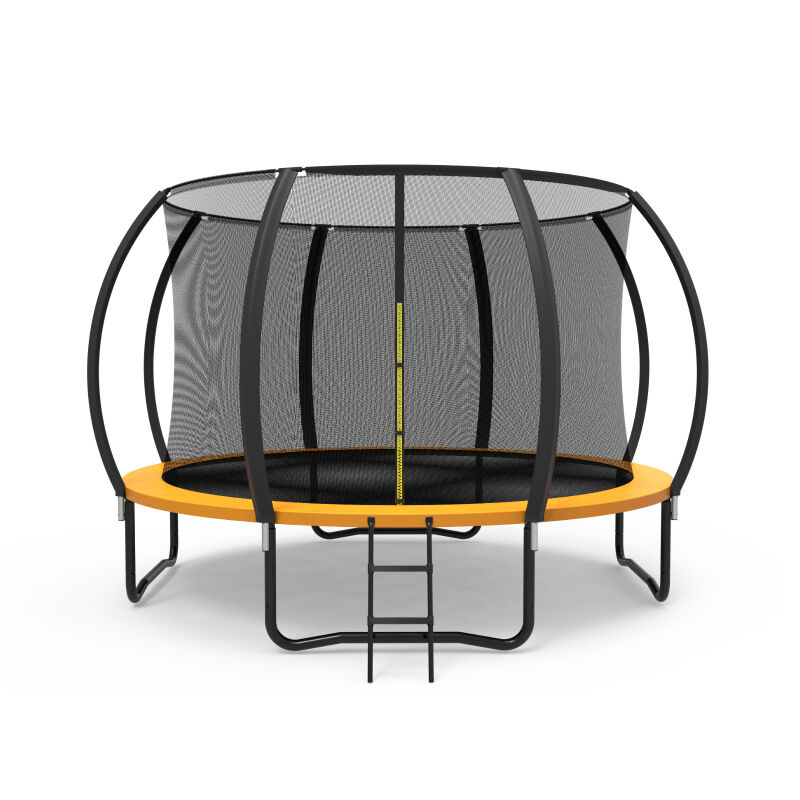
This innovative design approach addresses multiple developmental needs simultaneously through its thoughtful engineering and aesthetic choices. The pumpkin trampoline configuration offers enhanced visual stimulation through its organic curves and vibrant coloring while providing improved safety characteristics compared to traditional rectangular designs. Children experience heightened engagement levels when interacting with equipment that resembles familiar objects from their everyday environment, leading to longer play sessions and more creative physical activities that support both motor skill development and imaginative play scenarios.
Visual Psychology Behind Pumpkin-Shaped Play Equipment
Color Psychology and Seasonal Recognition
The pumpkin trampoline leverages powerful color psychology principles that directly influence children's emotional responses and engagement levels. Orange hues naturally evoke feelings of warmth, energy, and excitement, creating an immediate positive association that draws children toward the equipment. This color choice aligns with seasonal celebrations and harvest themes that children encounter throughout their cultural experiences, making the pumpkin trampoline feel familiar and welcoming rather than intimidating or unfamiliar.
Research in developmental psychology demonstrates that children respond more positively to equipment featuring recognizable shapes and colors from their natural environment. The pumpkin form activates memory associations with positive experiences such as Halloween celebrations, autumn festivals, and storybook imagery, creating multiple layers of emotional connection. These psychological triggers enhance the initial appeal and encourage repeated engagement, as children naturally gravitate toward objects that feel both safe and exciting.
The rounded, organic nature of the pumpkin shape also communicates safety and softness to young users, contrasting with angular or mechanical-looking equipment that might appear intimidating. This visual softness reduces approach anxiety, particularly among younger children or those who might be hesitant about trying new physical activities. The pumpkin trampoline becomes an invitation to play rather than a challenge to overcome.
Symbolic Associations and Imaginative Stimulation
Beyond immediate visual impact, the pumpkin shape carries rich symbolic associations that fuel imaginative play scenarios. Children naturally incorporate storytelling elements when interacting with recognizable shapes, transforming simple bouncing activities into elaborate fantasy adventures. The pumpkin trampoline becomes a magical carriage, a giant's garden vegetable, or a fairy tale setting, depending on each child's imagination and current interests.
These symbolic connections extend play value far beyond basic physical exercise, encouraging creative thinking and narrative development alongside motor skill improvement. Children often engage in role-playing scenarios that incorporate seasonal themes, harvest celebrations, or fantasy adventures, making each play session a unique creative experience. The pumpkin trampoline serves as a prop that supports and enhances these imaginative narratives rather than limiting them.
The familiar yet whimsical nature of the pumpkin form also creates opportunities for social play, as children can easily communicate shared references and build collaborative stories around their bouncing activities. This social dimension adds significant value to outdoor play experiences, encouraging peer interaction and cooperative imaginative scenarios that support social skill development alongside physical activity.
Functional Design Benefits of Pumpkin Geometry
Enhanced Safety Through Curved Architecture
The pumpkin trampoline design incorporates curved geometry that provides inherent safety advantages over traditional angular configurations. The rounded perimeter eliminates sharp corners that could pose injury risks during active play, while the naturally curved sides help guide bouncing users toward the center of the jumping surface. This geometric approach reduces the likelihood of collision injuries and creates a more forgiving environment for developing motor skills.
The segmented appearance of the pumpkin shape, with its characteristic ridged sections, also provides visual reference points that help children orient themselves during bouncing activities. These natural divisions create spatial awareness cues that support balance development and help users maintain proper positioning during play. The pumpkin trampoline configuration essentially builds safety guidance directly into its visual design.
Additionally, the curved architecture distributes impact forces more evenly across the jumping surface, reducing stress concentrations that might occur with sharp geometric transitions. This engineering consideration extends equipment lifespan while maintaining consistent performance characteristics that support safe, enjoyable play experiences over extended periods.
Spatial Dynamics and Movement Patterns
The unique proportions of pumpkin-shaped equipment create distinctive movement dynamics that enhance play value through varied bouncing experiences. The slightly wider middle section provides a generous central jumping area while the tapered ends create different bounce characteristics that encourage exploration and skill development. Children naturally discover these varying response zones, leading to more diverse movement patterns and increased physical challenge.
This spatial variation within the pumpkin trampoline design promotes progressive skill building, as users can start with gentle bouncing in the stable center area before exploring more dynamic movements toward the curved perimeter. The shape naturally accommodates different skill levels and comfort zones, making the equipment suitable for a broader age range and various developmental stages.
The curved boundaries also influence approach angles and landing strategies, encouraging children to develop better spatial awareness and proprioceptive skills. These enhanced movement patterns translate into improved balance, coordination, and body control that benefit children's overall physical development beyond the immediate play experience.
Developmental Impact Through Design Innovation
Motor Skill Enhancement Mechanisms
The pumpkin trampoline design specifically supports motor skill development through its unique combination of familiar form and functional innovation. The curved jumping surface challenges users to maintain balance while adapting to slightly irregular bounce patterns, promoting core strength development and proprioceptive awareness. Children unconsciously adjust their movements to accommodate the shape-specific dynamics, building adaptive motor responses that translate to improved physical competence.
The varying surface tensions created by the pumpkin configuration provide different levels of challenge across the jumping area, encouraging exploration and progressive skill building. Children naturally progress from basic bouncing to more complex movement patterns as they become comfortable with the equipment's unique characteristics. This built-in progression supports confidence building while maintaining appropriate challenge levels.
Research in motor learning demonstrates that equipment with distinctive characteristics promotes better retention of movement skills compared to generic alternatives. The pumpkin trampoline creates memorable physical experiences that help children internalize balance and coordination improvements, leading to lasting developmental benefits that extend beyond the immediate play session.
Cognitive Development Through Shape Recognition
Interaction with pumpkin-shaped equipment provides cognitive benefits through enhanced shape recognition and spatial reasoning development. Children naturally compare the equipment's proportions with their existing knowledge of real pumpkins, reinforcing geometric concepts and size relationships through hands-on experience. This connection between abstract geometric principles and tangible play experiences supports mathematical concept development.
The distinctive ridged sections of the pumpkin trampoline also provide counting opportunities and pattern recognition exercises that children often discover independently during play. These self-directed learning experiences integrate cognitive development seamlessly with physical activity, maximizing the educational value of outdoor play time without feeling like structured instruction.
The seasonal associations of the pumpkin shape create opportunities for discussing natural cycles, plant growth, and agricultural concepts, extending the educational impact into science and nature awareness areas. Children often ask questions about real pumpkins when playing on pumpkin-shaped equipment, creating teachable moments that connect play experiences with broader learning objectives.
Social Interaction Benefits and Community Building
Shared Cultural References and Communication
The pumpkin trampoline serves as a powerful social catalyst by providing shared cultural references that children can easily communicate and build upon together. The familiar shape creates common ground for peer interaction, as children from diverse backgrounds typically share some exposure to pumpkin imagery through seasonal celebrations, children's literature, or agricultural awareness. This shared recognition facilitates social connections and collaborative play scenarios.
The equipment becomes a natural conversation starter, encouraging children to share their own pumpkin-related experiences, stories, or seasonal memories. These discussions often evolve into elaborate group narratives that incorporate the physical play activity, creating rich social learning opportunities alongside motor skill development. The pumpkin trampoline transforms individual exercise into community building experiences.
Group play scenarios naturally emerge around the distinctive shape, with children creating games that incorporate the pumpkin theme or seasonal associations. These collaborative activities support social skill development, negotiation abilities, and cooperative problem-solving while maintaining high levels of physical activity and engagement.
Inclusive Play Environment Creation
The approachable, friendly appearance of pumpkin-shaped equipment creates a more inclusive play environment that welcomes children with varying comfort levels and physical abilities. The non-threatening, organic form reduces intimidation factors that might prevent some children from participating in group activities, encouraging broader participation and social integration.
The multiple zones within the pumpkin trampoline design accommodate different play styles and comfort levels simultaneously, allowing more assertive children to engage in dynamic bouncing while providing gentler areas for those who prefer cautious exploration. This design flexibility supports inclusive play patterns where children with different personalities and abilities can participate together successfully.
The distinctive shape also creates clear spatial boundaries that help children understand sharing concepts and turn-taking protocols more easily than with ambiguous equipment designs. The visual clarity of the pumpkin form supports social rule development and cooperative play management, leading to more positive group interactions and reduced conflict during play sessions.
FAQ
What makes pumpkin-shaped trampolines safer than traditional rectangular designs?
Pumpkin trampolines incorporate curved geometry that eliminates sharp corners and provides natural guidance toward the center jumping area. The rounded perimeter reduces collision injury risks while the segmented visual appearance helps children maintain proper spatial orientation during bouncing activities. The curved architecture also distributes impact forces more evenly, creating a more forgiving environment for developing motor skills.
How does the pumpkin shape specifically enhance children's imaginative play?
The pumpkin shape activates children's existing cultural and seasonal associations, transforming simple bouncing into imaginative adventures. Children naturally incorporate storytelling elements, turning the pumpkin trampoline into magical carriages, fairy tale settings, or fantasy props. These symbolic connections encourage creative thinking and narrative development while supporting extended play engagement and social interaction opportunities.
What age range benefits most from pumpkin-shaped trampoline designs?
Pumpkin trampolines effectively serve children ages 3-12, with the design accommodating different developmental stages simultaneously. Younger children benefit from the approachable, non-threatening appearance and familiar shape recognition, while older children appreciate the varied bouncing dynamics and creative play opportunities. The spatial configuration provides both stable central areas for beginners and more challenging perimeter zones for advanced users.
Do pumpkin trampolines require special maintenance compared to standard designs?
Pumpkin trampolines follow standard maintenance protocols similar to other quality outdoor equipment, with the curved design actually providing some maintenance advantages. The rounded architecture reduces stress concentration points that might cause premature wear, while the segmented visual appearance makes it easier to identify and address any maintenance needs. Regular cleaning, proper storage, and periodic safety inspections remain the primary maintenance requirements regardless of shape configuration.
Table of Contents
- Visual Psychology Behind Pumpkin-Shaped Play Equipment
- Functional Design Benefits of Pumpkin Geometry
- Developmental Impact Through Design Innovation
- Social Interaction Benefits and Community Building
-
FAQ
- What makes pumpkin-shaped trampolines safer than traditional rectangular designs?
- How does the pumpkin shape specifically enhance children's imaginative play?
- What age range benefits most from pumpkin-shaped trampoline designs?
- Do pumpkin trampolines require special maintenance compared to standard designs?