
 EN
EN
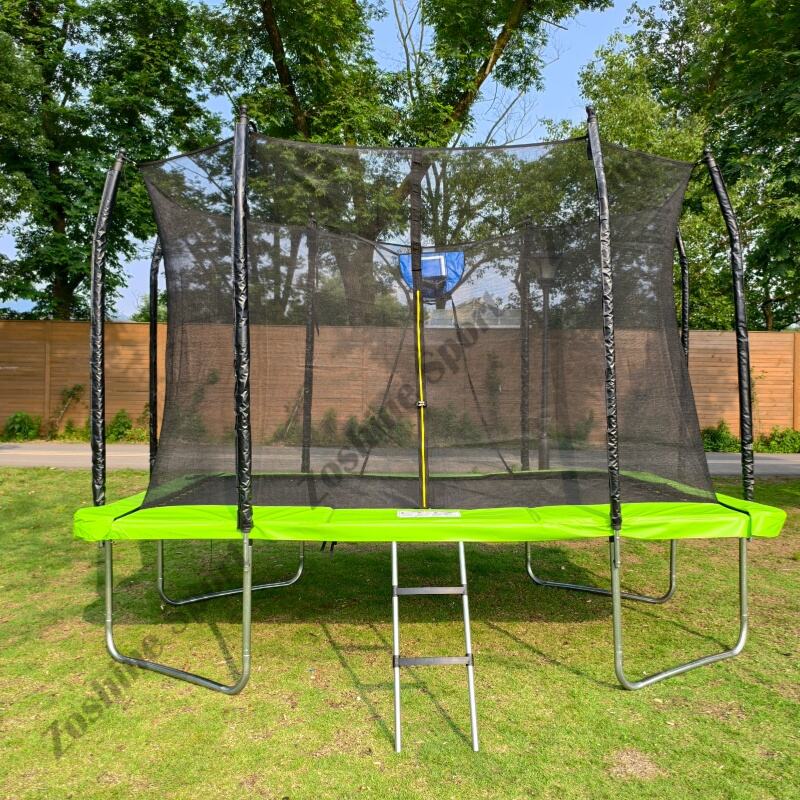
A vertically integrated pumpkin trampoline producer maintains complete control over the entire manufacturing process, from raw material sourcing to final product delivery, enabling unprecedented quality consistency across bulk orders. This comprehensive approach eliminates the variability that typically occurs when multiple external suppliers handle different production stages, ensuring that every pumpkin trampoline meets identical specifications regardless of order volume. Understanding how this integration works reveals why bulk order consistency becomes achievable when manufacturers control every aspect of their production chain.
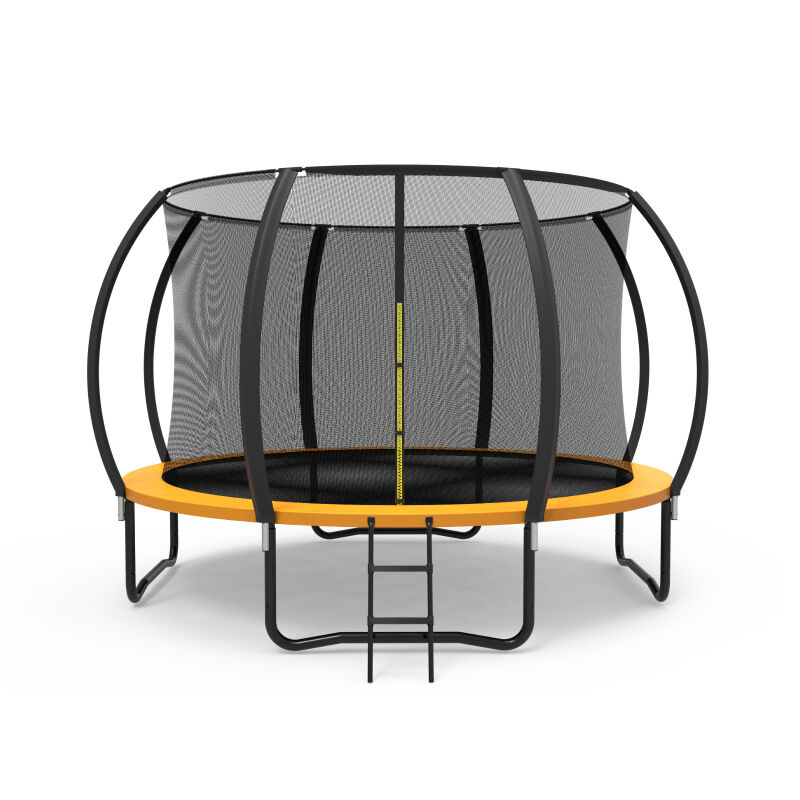
The mechanism behind consistent bulk order quality lies in the elimination of external dependencies and the implementation of standardized processes across all production stages. When a vertically integrated pumpkin trampoline producer controls everything from steel frame manufacturing to safety net weaving, they can maintain uniform material properties, consistent assembly procedures, and identical quality control checkpoints throughout every unit produced. This level of control becomes particularly crucial for bulk orders where even minor variations can result in significant customer dissatisfaction and potential safety concerns.
Manufacturing Process Control and Standardization
Raw Material Quality Management
A vertically integrated pumpkin trampoline producer ensures bulk order consistency by maintaining direct control over raw material sourcing and quality standards. Instead of relying on external suppliers who might deliver materials with varying specifications, these manufacturers operate their own steel processing facilities, fabric production lines, and component manufacturing divisions. This approach guarantees that every steel tube meets identical tensile strength requirements, every safety net exhibits the same elasticity properties, and every spring maintains consistent bounce characteristics across thousands of units.
The material consistency achieved through vertical integration extends beyond basic specifications to include surface treatments, protective coatings, and dimensional tolerances. When the same vertically integrated pumpkin trampoline producer controls galvanization processes, powder coating applications, and precision cutting operations, they can ensure that every component matches exactly with others in bulk production runs. This level of material uniformity becomes impossible when depending on multiple external suppliers who each maintain their own quality standards and production tolerances.
Assembly Line Standardization
Standardized assembly procedures represent another critical mechanism through which vertically integrated manufacturers maintain bulk order consistency. By operating unified assembly facilities where all workers follow identical procedures, use the same tools, and adhere to consistent timing requirements, these producers eliminate the variability that occurs when different assembly teams or external contractors handle production. Every pumpkin trampoline undergoes the same assembly sequence, with identical torque specifications for bolted connections and standardized tension settings for safety net attachments.
The assembly standardization process includes comprehensive worker training programs, standardized workstation layouts, and automated quality checkpoints that verify consistent assembly practices. A vertically integrated pumpkin trampoline producer implements detailed work instructions that specify exact assembly sequences, tool requirements, and quality verification steps for every production stage. This systematic approach ensures that the thousandth trampoline in a bulk order receives identical assembly attention and precision as the first unit produced.
Quality Control Integration and Monitoring Systems
Continuous Quality Monitoring
Continuous quality monitoring throughout the entire production process enables vertically integrated manufacturers to detect and correct quality variations before they impact bulk order consistency. Unlike traditional manufacturers who only conduct final product inspections, vertically integrated pumpkin trampoline producers implement quality checkpoints at every production stage, from raw material receipt through final packaging. This comprehensive monitoring approach identifies potential quality issues during steel processing, fabric weaving, component assembly, and final product testing phases.
The monitoring systems employed by vertically integrated producers include automated measurement devices, statistical process control methods, and real-time quality data collection systems that track every aspect of production consistency. These systems generate continuous feedback about dimensional accuracy, material properties, assembly precision, and functional performance, enabling immediate corrective actions when variations are detected. The result is bulk order consistency that maintains tight tolerances and uniform quality characteristics across entire production runs.
Integrated Testing Protocols
Integrated testing protocols ensure that every pumpkin trampoline meets identical performance standards regardless of its position within a bulk order sequence. A vertically integrated pumpkin trampoline producer implements standardized testing procedures that evaluate structural integrity, bounce performance, safety net strength, and overall durability using consistent equipment and evaluation criteria. These tests occur at predetermined intervals throughout bulk production runs, providing continuous verification of quality consistency.
The testing integration extends beyond basic safety compliance to include comprehensive performance validation that verifies bounce characteristics, weight capacity limits, and long-term durability predictions. Every tested unit must meet identical specifications for bounce height consistency, frame stability, and safety net performance before approval for shipment. This rigorous testing approach ensures that bulk order recipients receive trampolines with uniform performance characteristics and predictable operational behavior.
Supply Chain Coordination and Inventory Management
Internal Supply Chain Synchronization
Internal supply chain synchronization enables vertically integrated manufacturers to coordinate material flow, production scheduling, and quality control activities across all production stages simultaneously. Rather than managing complex relationships with multiple external suppliers, a vertically integrated pumpkin trampoline producer coordinates internal departments to ensure synchronized material delivery, consistent production timing, and aligned quality standards throughout bulk order fulfillment. This coordination eliminates the quality variations that typically result from supplier scheduling conflicts and material availability issues.
The synchronization process includes integrated production planning systems that coordinate steel processing schedules with fabric production timelines, assembly capacity with component availability, and quality control resources with production volume requirements. This comprehensive coordination ensures that bulk orders maintain consistent production flow without quality compromises caused by supply chain disruptions or material shortages that affect external supplier networks.
Inventory Control and Material Consistency
Controlled inventory management ensures that bulk orders utilize materials from consistent production batches, eliminating quality variations caused by material lot differences. A vertically integrated pumpkin trampoline producer maintains detailed inventory tracking systems that identify material batch numbers, production dates, and quality characteristics for every component used in bulk order fulfillment. This tracking capability enables manufacturers to select materials with matching properties for entire bulk orders, ensuring consistent performance characteristics across all delivered units.
The inventory control process includes batch segregation procedures that prevent mixing materials with different specifications within individual bulk orders. When steel tubes from different production runs exhibit slightly different dimensional tolerances or fabric batches show minor color variations, vertically integrated manufacturers can allocate consistent materials to complete bulk orders rather than mixing batches that might create noticeable quality differences between individual trampolines.
Production Scaling and Consistency Maintenance
Scalable Quality Systems
Scalable quality systems enable vertically integrated manufacturers to maintain consistent quality standards while adjusting production volumes to meet bulk order requirements. These systems include flexible workforce allocation procedures, adjustable production line configurations, and scalable quality control resources that maintain identical quality standards regardless of production volume changes. A vertically integrated pumpkin trampoline producer can increase production capacity for large bulk orders while preserving the same quality control intensity and consistency verification procedures used for smaller production runs.
The scalability approach includes modular production line designs that allow capacity increases through parallel processing rather than rushed production schedules that might compromise quality consistency. When bulk orders require increased production volumes, vertically integrated manufacturers activate additional production modules using identical equipment, procedures, and quality standards rather than accelerating existing production lines beyond optimal operating parameters that could introduce quality variations.
Consistency Validation Across Production Volumes
Consistency validation procedures verify that quality standards remain uniform across different production volumes and bulk order sizes. A vertically integrated pumpkin trampoline producer implements statistical quality control methods that compare quality metrics between small batch production and large bulk order fulfillment, ensuring that increased production volumes do not compromise quality consistency. These validation procedures include comparative testing protocols that verify identical performance characteristics regardless of production scale.
The validation process includes ongoing quality audits that examine production consistency across different bulk order fulfillment periods, identifying any quality drift that might occur during high-volume production phases. Regular validation activities ensure that the last trampoline produced in a bulk order maintains identical quality characteristics to the first unit manufactured, demonstrating sustained quality consistency throughout extended production runs.
FAQ
What specific advantages does vertical integration provide for bulk order quality consistency compared to traditional manufacturing approaches?
Vertical integration eliminates quality variations caused by multiple external suppliers, enabling complete control over material specifications, production timing, and quality standards across all manufacturing stages. Traditional manufacturers depend on various suppliers who maintain different quality standards and production schedules, creating inherent quality inconsistencies that become magnified in bulk orders. A vertically integrated pumpkin trampoline producer controls every aspect of production, from steel processing to final assembly, ensuring identical specifications and consistent quality verification procedures throughout bulk order fulfillment.
How do vertically integrated manufacturers handle quality control during high-volume bulk order production periods?
Vertically integrated manufacturers implement scalable quality control systems that maintain consistent inspection intensity and quality standards regardless of production volume increases. During bulk order production, they activate additional quality control resources and parallel production lines rather than accelerating existing processes beyond optimal parameters. This approach ensures that quality verification procedures, testing protocols, and inspection standards remain identical for every unit produced, whether manufacturing small batches or fulfilling large bulk orders requiring thousands of trampolines.
What role does material batch consistency play in maintaining quality across bulk orders?
Material batch consistency ensures that all trampolines within a bulk order utilize materials with identical properties, eliminating quality variations caused by mixing different production lots. A vertically integrated pumpkin trampoline producer maintains detailed inventory tracking systems that identify material batch characteristics and allocate consistent materials to complete bulk orders. This approach prevents situations where some trampolines in a bulk order might use steel tubes with different dimensional tolerances or fabric materials with varying strength properties, ensuring uniform performance characteristics across all delivered units.
Can vertically integrated manufacturers guarantee identical performance specifications for every trampoline in large bulk orders?
Yes, vertically integrated manufacturers can guarantee identical performance specifications through comprehensive quality control systems that verify consistent material properties, assembly procedures, and performance testing results for every produced unit. Their control over all production stages enables standardized material specifications, uniform assembly procedures, and identical quality verification processes that ensure consistent bounce characteristics, weight capacity, and safety performance. However, these guarantees depend on maintaining proper quality control procedures and regular equipment calibration throughout bulk order fulfillment periods.
Table of Contents
- Manufacturing Process Control and Standardization
- Quality Control Integration and Monitoring Systems
- Supply Chain Coordination and Inventory Management
- Production Scaling and Consistency Maintenance
-
FAQ
- What specific advantages does vertical integration provide for bulk order quality consistency compared to traditional manufacturing approaches?
- How do vertically integrated manufacturers handle quality control during high-volume bulk order production periods?
- What role does material batch consistency play in maintaining quality across bulk orders?
- Can vertically integrated manufacturers guarantee identical performance specifications for every trampoline in large bulk orders?