
 EN
EN
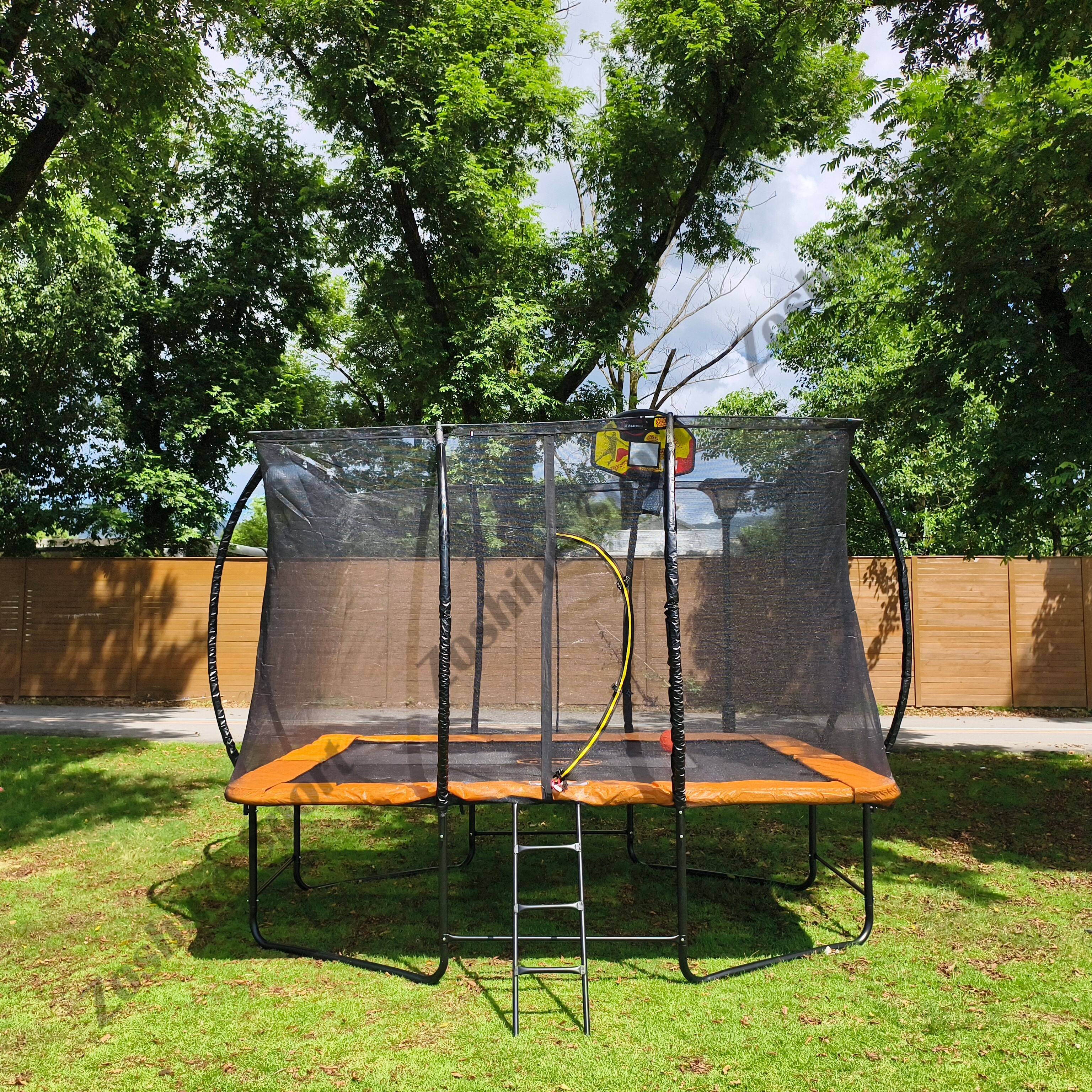
When you invest in an oval trampoline for your backyard, the visible frame and bright jumping mat are easy to evaluate — but the welding points holding everything together are far less obvious. These joints are where structural failure most commonly begins, and yet most buyers never think to verify the certification standards that govern them. Understanding which quality certifications apply specifically to oval trampoline welding integrity is one of the most practical steps you can take before making a purchase.
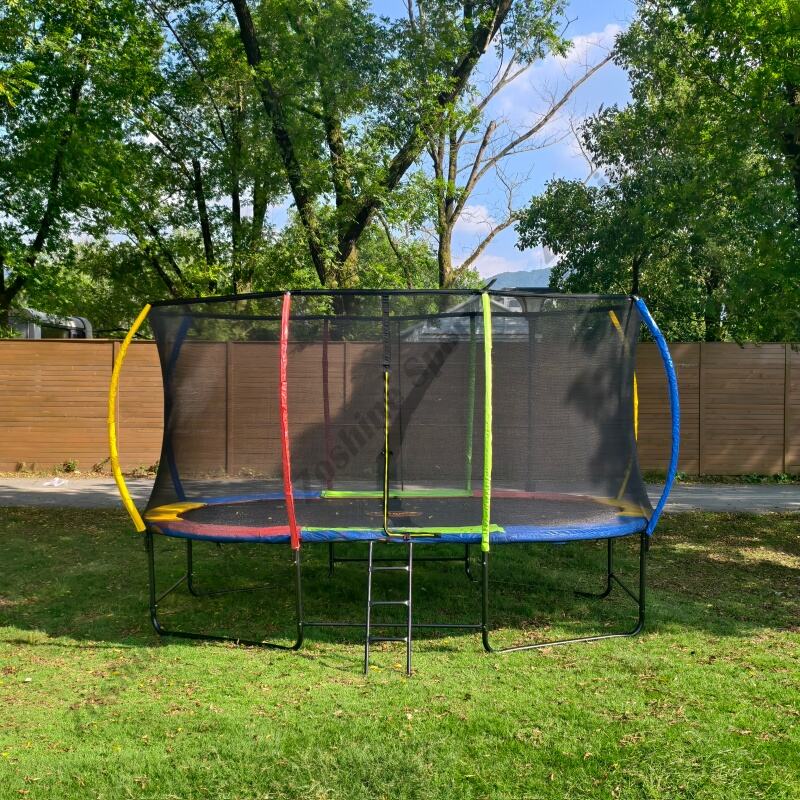
An oval trampoline places unique mechanical stress on its frame compared to round or rectangular designs. The elongated shape means force from jumping is distributed unevenly, concentrating higher tension at certain weld joints along the curved rails. This is precisely why an oval trampoline must meet specific structural standards — and why knowing which certifications to look for is essential for any safety-conscious buyer, parent, or facility manager.
Key International Safety Standards for an Oval Trampoline
ASTM F381 and Its Welding Relevance
ASTM F381 is the United States standard developed by ASTM International that sets minimum safety requirements for home-use trampolines, including every oval trampoline sold in the North American market. This standard addresses frame construction, load capacity, and critically, the structural integrity of welded joints. When a manufacturer certifies an oval trampoline to ASTM F381, it confirms that the welding points have been tested under dynamic loads simulating real jumping conditions. Buyers should request documentation showing ASTM F381 compliance and verify it was issued by an accredited third-party testing laboratory, not just a self-declaration from the manufacturer.
For an oval trampoline intended for children, the ASTM F381 standard also requires that frames withstand repeated stress cycling. This directly relates to weld fatigue — a failure mode where a joint that passes a one-time load test may still crack after prolonged use. Any oval trampoline that meets this standard has been evaluated with weld fatigue in mind, making ASTM F381 one of the first certifications to verify.
EN 13219 for European Market Oval Trampolines
In Europe, the governing standard for domestic trampolines is EN 13219, maintained by the European Committee for Standardization. An oval trampoline sold in the EU or UK market should carry CE marking alongside conformity to EN 13219, which covers frame stability, weld strength, and maximum permissible joint deformation under load. EN 13219 specifies weld inspection criteria requiring manufacturers to document their welding processes, material grades, and post-weld inspection protocols. For any oval trampoline intended for European households, confirming EN 13219 conformity is non-negotiable from a product liability standpoint.
Material and Weld Quality Indicators in Certification
Steel Grade Certification and Its Impact on Oval Trampoline Joints
The quality of welding on an oval trampoline is inseparable from the quality of the steel used in its frame. Certifications such as ISO 9001 at the manufacturing level indicate that a factory operates a quality management system governing raw material selection, including steel grade consistency. For an oval trampoline, the frame tubing is typically made from galvanized or powder-coated carbon steel. The steel grade must meet minimum tensile and yield strength thresholds before any welding standard can be meaningfully applied. An oval trampoline backed by ISO 9001-certified manufacturing gives buyers confidence that weld quality is controlled systematically rather than on a batch-by-batch basis.
Beyond ISO 9001, look for evidence that the oval trampoline manufacturer performs non-destructive testing on welds. Methods such as ultrasonic testing or dye penetrant inspection can detect internal weld flaws invisible to the naked eye. While these tests are not always required by consumer product standards, manufacturers who apply them to their oval trampoline production demonstrate a commitment to weld integrity that goes beyond baseline compliance.
TUV and SGS Third-Party Weld Verification
Two of the most widely recognized third-party certification bodies in the consumer product space are TUV Rheinland and SGS. Both organizations offer product testing services that include structural analysis of an oval trampoline frame and its welded connections. A TUV or SGS test report for an oval trampoline will typically include weld shear load results, frame deflection measurements, and fatigue cycle data. These reports are meaningful because they come from laboratories operating under ISO/IEC 17025 accreditation, ensuring measurement traceability and scientific reliability. When reviewing an oval trampoline listing or product specification sheet, look specifically for TUV or SGS test reports addressing structural welds rather than only mat, spring, or enclosure tests.
Practical Steps for Verifying Oval Trampoline Weld Certifications
Requesting Documentation Before Purchase
Verifying that your oval trampoline has legitimate weld-related certifications requires proactive inquiry. When contacting a supplier or manufacturer, ask specifically for the test report number, the issuing laboratory's accreditation number, and the date of the most recent certification renewal. A reputable oval trampoline supplier will provide these details readily. If a seller can only offer a generic certificate without a traceable test report, treat that as a warning sign about the actual depth of their oval trampoline quality control.
It is also worth checking whether the oval trampoline certification covers the specific size and weight capacity you intend to use. Some manufacturers certify a base oval trampoline model and then scale up production without re-testing larger variants. Always confirm that the certification on file corresponds to the exact oval trampoline model — including frame dimensions and rated load — that you are purchasing.
On-Site Inspection Markers for Welded Joints
Even after verifying certifications, a physical inspection of an oval trampoline before regular use adds another layer of safety assurance. Look at each oval trampoline weld joint for surface uniformity, absence of visible cracks, and consistent bead width. Rough, porous, or discolored weld surfaces on an oval trampoline may indicate inadequate welding temperature, poor wire feed control, or contaminated base metal. These visual cues do not replace laboratory testing, but they can catch obvious manufacturing defects in any oval trampoline that may have slipped through quality control.
FAQ
Which certification is most important for oval trampoline welding safety?
ASTM F381 is the most critical certification for an oval trampoline sold in North America because it directly addresses frame and weld structural performance. For European markets, EN 13219 serves the equivalent function. Both standards require documented weld testing under load conditions relevant to real-world oval trampoline use.
Does ISO 9001 certification guarantee safe welding on an oval trampoline?
ISO 9001 does not test the oval trampoline itself — it certifies that the manufacturer's quality management system is consistently applied. It is valuable as a supplementary indicator, but an oval trampoline should also carry product-specific certifications such as ASTM F381, EN 13219, or third-party TUV or SGS test reports to confirm actual weld performance.
How often should an oval trampoline's weld joints be inspected after purchase?
For a residential oval trampoline used regularly, a visual inspection of all welded joints at least once every three months is advisable. Check for rust, cracking, or deformation at each oval trampoline joint, especially after heavy use seasons or extreme weather exposure. Any oval trampoline showing compromised welds should be taken out of service until professionally assessed.