
 EN
EN
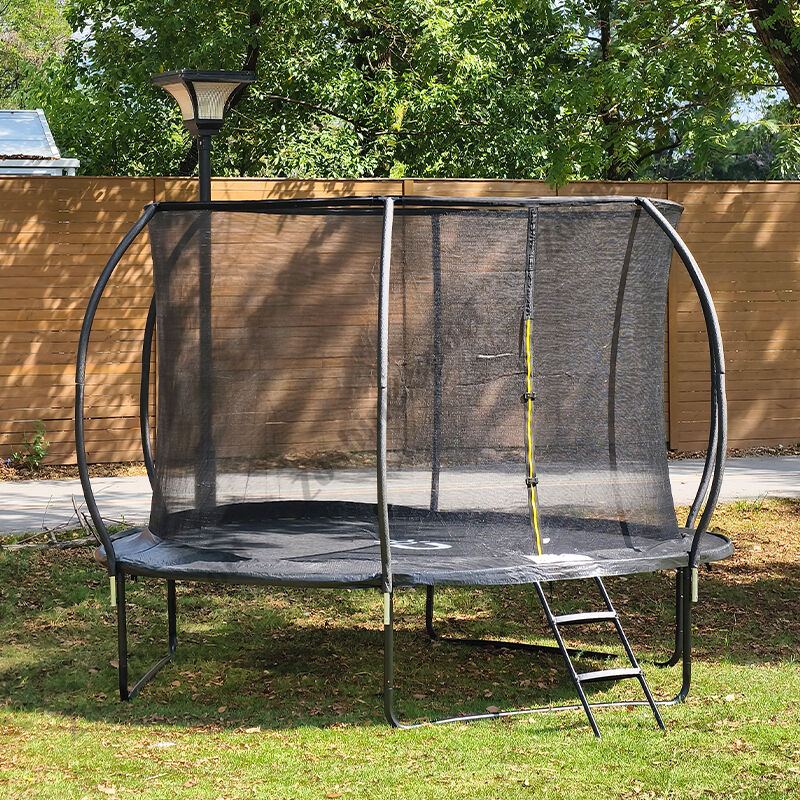
A toddler trampoline takes a serious beating every single day. Small children bounce repeatedly, land off-center, drag toys across the mat surface, and sometimes grip the edges with surprisingly strong little hands. Over time, all of that physical stress concentrates on one structural weak point — the stitching that binds the mat together. Understanding how reinforced stitching works on a top-quality toddler trampoline is the key to understanding why some mats last for years while others begin to fray and tear within months.
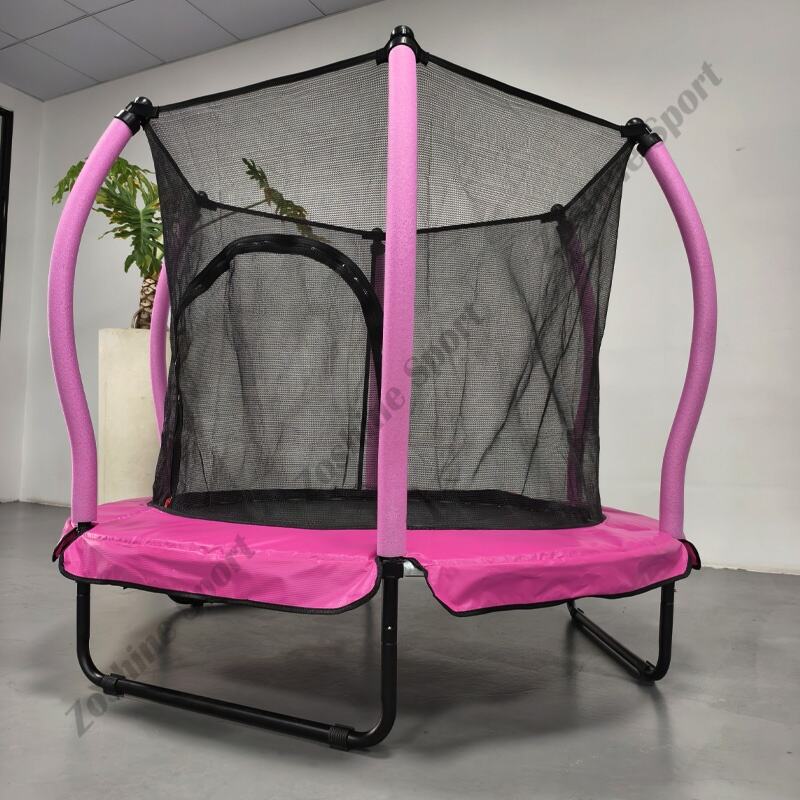
When a toddler trampoline is used daily, even minor deficiencies in mat construction can escalate quickly. A single loose thread at a seam edge can unravel under repeated tension. That is why manufacturers who build premium toddler trampoline products invest heavily in stitching technology — using layered reinforcement techniques, industrial-grade thread materials, and precision seam engineering to create a mat that resists tearing even under high-frequency bounce loads. This article explains exactly how those stitching systems work and why they matter for your child's safety and the product's longevity.
The Role of Stitching in Toddler Trampoline Mat Durability
How Seam Stress Builds During Daily Bouncing
Every time a child jumps on a toddler trampoline, the mat stretches outward from the point of impact and then snaps back. This elastic cycle creates tension forces that radiate toward the mat's perimeter, where the fabric meets the frame attachment. The stitching at these seam points absorbs a significant portion of that tension on every single bounce. On a toddler trampoline used daily, that means thousands of stress cycles per week concentrated at the same seam lines. Without reinforced stitching, thread fatigue sets in rapidly, causing micro-tears that grow into visible fabric splits over time.
Why Standard Stitching Fails on a Busy Toddler Trampoline
A toddler trampoline built with single-pass stitching relies on just one line of thread to hold each seam. That single line has no backup when it wears or snaps. Contrast this with the double-stitched or cross-stitched seam construction used on premium toddler trampoline designs, where two or more overlapping thread paths share the load evenly. If one thread path weakens, the others maintain structural integrity. This redundancy is precisely what separates a toddler trampoline that lasts from one that deteriorates after a few months of active use. The stitching pattern is not decorative — it is a core engineering decision that directly determines mat lifespan.
Reinforced Stitching Techniques Used in Quality Toddler Trampoline Design
Double and Cross Stitching as the Core Defense
On a well-built toddler trampoline, the mat seams are typically reinforced using double stitching, cross stitching, or a combination of both. Double stitching runs two parallel thread lines along the same seam path, distributing tension across a wider area. Cross stitching adds diagonal thread lines that lock the seam fabric together from multiple angles, creating a grid-like hold that resists pulling in any direction. When a toddler trampoline mat flexes under a bouncing child, cross-stitched seams maintain their grip even as the fabric stretches and recoils repeatedly. These techniques require more thread, more time, and more precise machine calibration — but they are what give a quality toddler trampoline its structural advantage.
Thread Material and Tension Settings on a Toddler Trampoline Mat
The type of thread used in a toddler trampoline mat matters just as much as the stitching pattern itself. Premium toddler trampoline manufacturers use high-tenacity polyester thread, which resists UV degradation, moisture absorption, and mechanical abrasion better than standard nylon or cotton alternatives. On an indoor toddler trampoline, UV exposure may be less of a concern, but moisture from spills and sweat can still weaken inferior thread over time. Industrial sewing machines set to precise tension calibration ensure that each stitch on the toddler trampoline mat is tightened consistently — not so loose that it sags under load, and not so tight that it cuts into the surrounding fabric and creates new tear points. That balance is what a quality toddler trampoline achieves through careful production standards.
How Reinforced Stitching Directly Prevents Mat Tearing in Daily Use
Load Distribution Across the Toddler Trampoline Mat Surface
When a toddler lands on the center of a toddler trampoline mat, the impact force spreads outward in a radial pattern. Reinforced stitching ensures that this radial tension is distributed evenly across multiple seam points rather than concentrating at a single weak line. A toddler trampoline with evenly reinforced seams absorbs daily jump impact in a way that prevents any single stitch zone from bearing disproportionate stress. Over time, this even distribution means the mat maintains its structural shape and surface tension — neither sagging at the center nor pulling apart at the edges. Parents using a toddler trampoline for daily indoor play can feel the difference in mat firmness and bounce quality when reinforced stitching is doing its job correctly.
Edge and Perimeter Reinforcement on a Toddler Trampoline
The perimeter of a toddler trampoline mat is where tearing most commonly begins. This is where the mat connects to the spring system or elastic banding, and where the highest concentration of lateral tension occurs. A quality toddler trampoline addresses this by adding extra rows of stitching along the mat border — sometimes with bound edge tape sewn over the raw fabric edge to prevent fraying entirely. This edge reinforcement on a toddler trampoline acts as a buffer zone between the open fabric weave and the mechanical attachment point, reducing the risk of thread pull-out or fabric delamination under daily use stress. Without this targeted edge reinforcement, even a toddler trampoline with strong center stitching can fail at its most vulnerable boundary.
FAQ
How often should I inspect the stitching on my toddler trampoline?
You should visually inspect the stitching on your toddler trampoline at least once a month if it is used daily. Run your fingers along the seam edges of the toddler trampoline mat to check for loose threads, fraying fabric, or any areas where the stitching has separated. Catching minor thread wear early prevents it from developing into a full mat tear that could compromise your child's safety on the toddler trampoline.
Does indoor use reduce stitching wear on a toddler trampoline?
Indoor use does reduce exposure to UV light and outdoor moisture, which are two factors that degrade thread quality over time. However, an indoor toddler trampoline used every day still accumulates significant mechanical stress on its stitching from regular bouncing. Indoor use extends thread lifespan, but it does not eliminate the need for reinforced stitching. A quality toddler trampoline should use industrial-grade thread regardless of whether it is intended for indoor or outdoor environments.
Can the mat on a toddler trampoline be repaired if stitching fails?
Minor stitching repairs on a toddler trampoline mat are possible using heavy-duty polyester thread and a curved upholstery needle, but only if the fabric itself has not torn. If the mat fabric on your toddler trampoline is already split or has developed a hole, replacement is the safer and more reliable option. Continuing to use a toddler trampoline with a compromised mat, even with temporary stitching repairs, introduces a safety risk that is not worth taking with young children.