
 EN
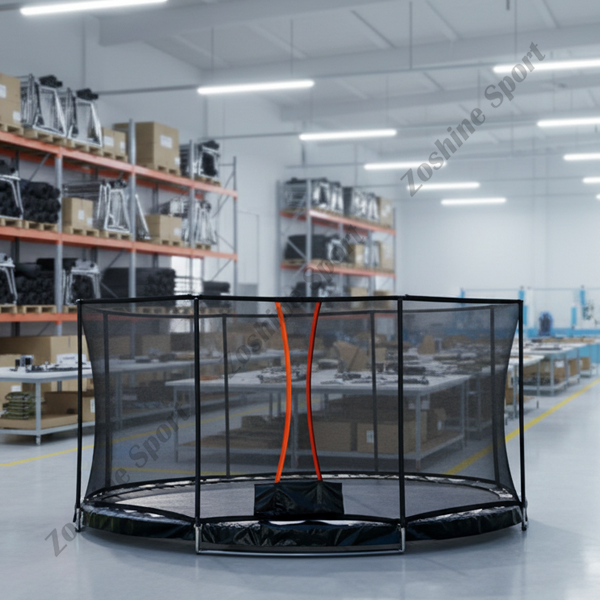
Sourcing an inground trampoline from a manufacturer calls for more than checking its diameter or asking for a price. The design must suit the intended installation, support safe and consistent use, and arrive with clear specifications. Evaluating an inground trampoline means reviewing its frame, jumping surface, enclosure, airflow, materials, and quality controls as connected parts of one system.
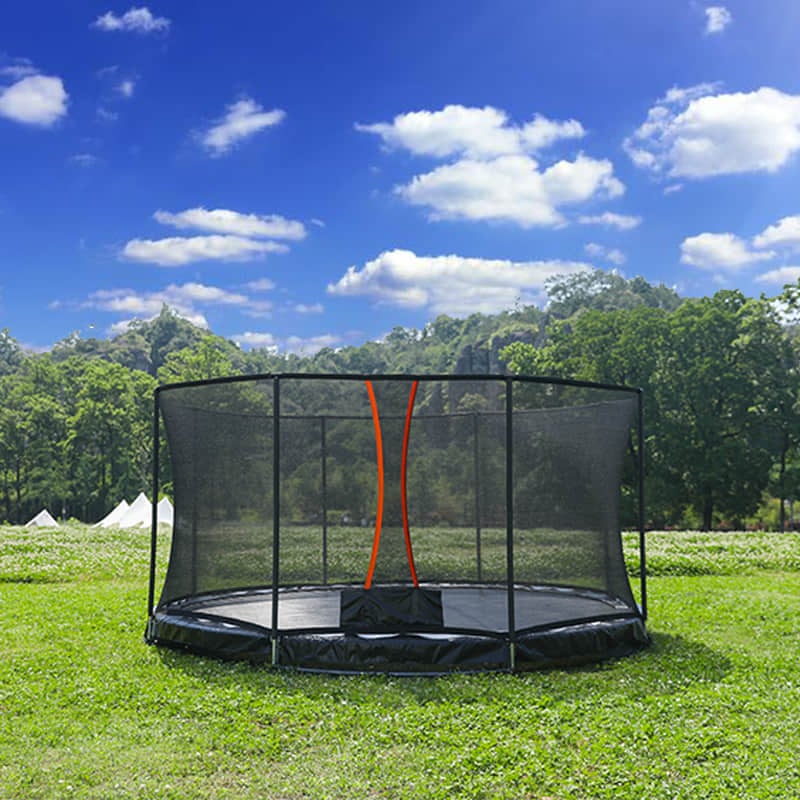
A useful sourcing review turns broad product claims into details that can be checked before an order is placed. For an inground trampoline, ask how the product is designed to work with a prepared ground cavity, what installation information accompanies it, and which specifications can be documented. This approach helps buyers compare proposals on suitability and clarity, rather than appearance alone.
Assess the structural design and installation fit
Check the frame, dimensions, and ground interface
The frame determines how the inground trampoline fits the site and transfers loads during use. Request drawings that show overall dimensions, frame depth, connection points, and the relationship between the frame and the surrounding ground. A manufacturer should explain which measurements are fixed and which options are available, so the product can be matched to the project without relying on assumptions.
Ask what materials and finishes are used on the frame, and how exposed or concealed surfaces are protected for the intended environment. The inground trampoline should have a defined support arrangement, with joining details that are understandable to installers. Review whether the design accounts for drainage and access around the installation, since those site conditions can affect long-term maintenance and usability.
Confirm excavation and installation requirements
An inground trampoline is only a practical fit when its installation requirements are compatible with the site. Request clear guidance on the excavation profile, clearance around the frame, ground preparation, and any drainage considerations specified by the manufacturer. Confirm whether installation drawings identify tolerances and sequence, rather than leaving contractors to infer how the product should sit within the cavity.
Discuss who is responsible for checking site conditions and interpreting the installation instructions. A supplier’s documentation for an inground trampoline should make the handoff between product delivery and site work easy to understand. Buyers should also establish how packaging protects components in transit and whether the shipment can be inspected against a parts description before installation begins.
Evaluate safety, materials, and product performance
Review the jumping surface and enclosure system
The jumping mat, springs or alternative connectors, edge protection, and enclosure should be assessed as a coordinated system. For an inground trampoline, ask how the mat attaches to the frame and how padding covers hard components. Request material descriptions, dimensions, and care guidance, then verify that the quoted configuration matches the drawings and intended users.
If the inground trampoline includes a safety net, inspect its attachment points, entry closure, pole arrangement, and replacement provisions. A net’s presence alone does not explain how the enclosure is assembled or maintained. Ask the manufacturer to identify the configuration covered by its specifications and to explain which parts are included, optional, or supplied separately, so procurement documents reflect the complete product.
Examine durability information and quality controls
Durability assessment should start with material specifications and the conditions under which components are intended to be used. For an inground trampoline, request available test documentation, inspection criteria, and information about how production units are checked. Review the scope of each document carefully: a test result applies to its stated sample and conditions, not automatically to every configuration or operating environment.
Ask how the manufacturer identifies components, manages revisions, and handles defects reported after delivery. These details help a buyer understand whether the inground trampoline quoted today will match the approved sample and technical file. Clear records are especially useful when an order includes multiple units, because they support receiving checks and communication if parts arrive damaged or specifications differ.
Verify manufacturing capability and purchasing support
Request evidence that specifications can be delivered
A sourcing conversation should establish whether the manufacturer can produce the inground trampoline configuration described in the proposal. Request a specification sheet, drawings, component list, and written confirmation of included accessories. Compare those records with the sample or product images, and resolve differences before approval. A complete quotation should identify relevant options and avoid leaving important scope details implicit.
Ask how sample approval, production changes, and final inspection are managed. For an inground trampoline, agree on which dimensions, materials, colors, and packaging details require confirmation before production. The process should make revisions traceable, so a change to one component does not silently alter another. Buyers can also ask what inspection records are available at dispatch and what they cover.
Align order terms, documentation, and after-sales needs
Commercial readiness includes more than a unit price. Clarify the minimum order conditions, lead-time assumptions, packaging format, shipping responsibilities, and payment milestones for the inground trampoline order. These terms help purchasing teams plan inventory and installation schedules. Confirm that the final commercial document uses the same configuration and quantities as the approved technical specification.
Before selecting a manufacturing partner, establish how spare parts, maintenance questions, and warranty claims are handled. Documentation for an inground trampoline should support safe assembly and ongoing care, while defining any limits or exclusions in plain language. Buyers evaluating a particular product can review its listed configuration at inground trampoline and request details that match their own project requirements.
FAQ
Which specifications should buyers request first?
Start with dimensions, frame and mat materials, included safety components, installation drawings, and the stated product configuration. For an inground trampoline, those details establish whether the proposal can fit the site and what is actually included. Then request applicable inspection or test records and written clarification of any options that affect the final specification.
How can buyers assess installation suitability?
Compare the manufacturer’s excavation and clearance guidance with the intended site conditions, then have qualified project personnel review the drawings. An inground trampoline may require site preparation that depends on local ground and drainage conditions. Confirm tolerances, responsibilities, and installation steps in advance rather than treating a product image as an installation plan.
What should be confirmed before approving production?
Approve a written specification that matches the quotation, drawings, sample, included components, packaging, and order terms. For an inground trampoline, document any agreed options and the inspection criteria that will apply before dispatch. This creates a shared reference for purchasing, production, receiving, and installation teams, reducing ambiguity when the goods arrive.