
 EN
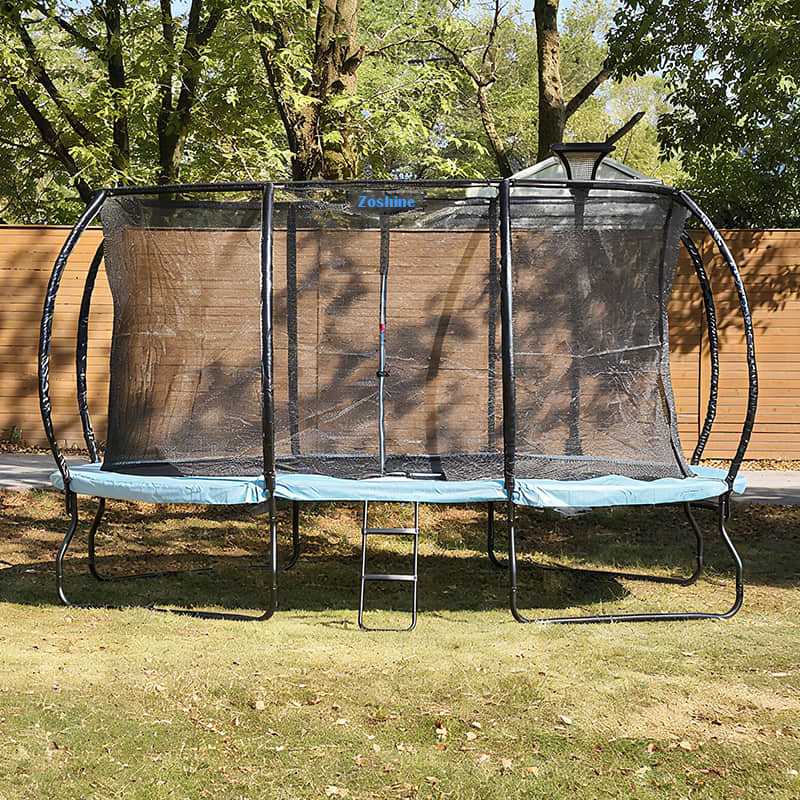
For outdoor retail markets, an oval trampoline is not automatically better than a round model; the stronger choice depends on shopper space, intended use, price expectations, and the store’s assortment strategy. Retailers comparing an oval trampoline with a round trampoline should consider how shape affects placement, household fit, and the way customers evaluate products in person. A useful decision begins with the shoppers the store serves, not with shape alone.
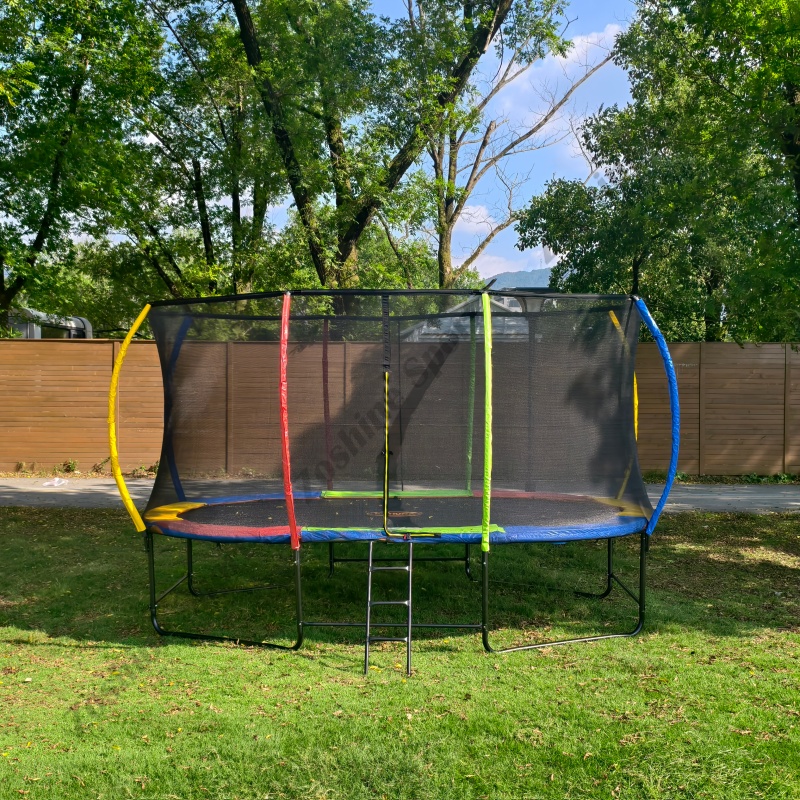
In many retail assortments, an oval trampoline makes sense when customers need a jumping area that fits a longer yard or a narrower installation zone. A round trampoline may be simpler to position in open, evenly proportioned spaces and can suit households seeking a familiar format. Neither shape guarantees better sales; an oval trampoline earns its place when its footprint and use case match local demand. The comparison below supports practical merchandising decisions.
How Shape Changes Outdoor Fit
Footprint and yard planning
The oval trampoline’s elongated footprint can help shoppers work around a rectangular lawn, patio edge, or other fixed yard feature. That layout can make the available jumping area feel more aligned with a long, narrow space, although buyers still need to check the full product dimensions and required clearance. Retail staff should describe the oval trampoline as a shape option, not as a way to ignore safe placement guidance.
A round trampoline generally calls for a more balanced area around its perimeter, so it may suit a broad, open yard without awkward corners. Customers comparing an oval trampoline with a round model should sketch the intended location and account for access, nearby structures, and the space needed around the equipment. Clear dimension labels help prevent shoppers from choosing by the jumping surface alone and later discovering that the complete setup does not fit.
Movement and household expectations
Shape can influence how customers imagine movement on a trampoline, but it should not be presented as a promise about performance. An oval trampoline offers a longer profile that may appeal to families looking for a directional layout, while a round design presents a centered, symmetrical form. Retail teams can explain those visual and spatial differences without claiming that one shape is inherently safer, faster, or more suitable for every age group.
Household size, supervision plans, and intended users should remain part of the discussion. An oval trampoline may attract buyers who want to place equipment along one side of the yard, but its suitability still depends on the specific model’s dimensions, capacity guidance, enclosure, and installation requirements. Ask customers to review product instructions and local conditions. This keeps the oval trampoline conversation grounded in fit and responsible use rather than assumptions based on shape.
Which Design Fits Different Retail Shoppers
Matching local customer profiles
Stores serving suburban households with varied yard shapes may benefit from carrying an oval trampoline alongside a round option. The oval format can answer requests for equipment that works with a longer available area, while round models support customers with open, compact or evenly shaped yards. Treat the oval trampoline as a distinct solution within the range, rather than a replacement for every other format.
Customer questions provide useful signals for assortment planning. If shoppers often ask whether a trampoline can fit beside a fence line or within a narrow garden, an oval trampoline may deserve stronger visibility and staff familiarity. If customers prioritize a straightforward, recognizable shape, a round model may be easier to explain. In both cases, product dimensions and installation guidance help convert general interest into an informed comparison.
Balancing price, space, and product details
Retailers should compare complete product specifications rather than treating shape as a price proxy. An oval trampoline may differ from a round model in frame design, mat dimensions, enclosure configuration, included accessories, and packaging. These details affect the value customers perceive and the questions sales teams need to answer. A balanced comparison makes the oval trampoline relevant on its actual features, not on an unsupported claim that its shape means more value.
When space is a key buying concern, show the overall footprint beside the jumping surface dimensions. That distinction helps customers judge whether an oval trampoline fits the usable area and whether the selected location allows for access and clearance. When price is the primary concern, discuss the product’s included components and care requirements consistently across shapes. This approach gives shoppers a fair basis for choosing an oval trampoline or round alternative.
Building a Clear and Practical Assortment
Merchandising the comparison
A useful display lets customers understand shape and scale at a glance. Show an oval trampoline with its dimensions, intended placement context, and key construction details, then present equivalent information for round designs. Retailers can use floor graphics, product cards, or digital product pages to clarify the footprint. Make the oval trampoline’s distinguishing use case easy to see without implying that all yards or households need this format.
Online listings should support the same decision process as an in-store conversation. Include clear measurements, an image that communicates overall form, and accessible setup and safety information. For an oval trampoline, customers should be able to tell which measurement describes its length and which describes its width. Consistent presentation reduces confusion and lets shoppers compare the oval trampoline with round models on fit, included features, and practical requirements.
Managing inventory and seasonal demand
Assortment depth should reflect sales history, available storage, and the needs of the local market. Retailers can test interest in an oval trampoline through customer inquiries, page engagement, and sales patterns before expanding inventory. Consider package dimensions and delivery constraints as well as display space, since outdoor products can require substantial handling room. A measured approach helps keep the oval trampoline available where demand supports it without crowding out other relevant choices.
Seasonal planning also matters because shoppers often evaluate outdoor recreation products alongside yard preparation and family budgets. Prepare staff to explain what makes an oval trampoline a practical fit, what measurements customers should confirm, and which product instructions to read before setup. Use the same clear language across advertising, product pages, and sales conversations. This consistency makes the oval trampoline easier to evaluate and helps customers choose according to their own site conditions.
FAQ
Is an oval trampoline better for a narrow yard?
It can be a useful option when the available area is longer than it is wide, but the exact product footprint and required clearance determine suitability. Measure the intended location before choosing an oval trampoline, and follow the product’s placement instructions.
Should retailers replace round models with oval designs?
Usually, the decision is better framed as assortment balance rather than replacement. An oval trampoline serves shoppers with particular layout preferences, while round models may fit other yards and expectations. Local customer interest and available inventory space should guide the mix.
What should customers compare before buying?
Compare overall dimensions, jumping surface, enclosure details, included components, setup instructions, and placement requirements. An oval trampoline should be assessed against the customer’s actual yard and intended use, rather than selected on shape alone.