
 EN
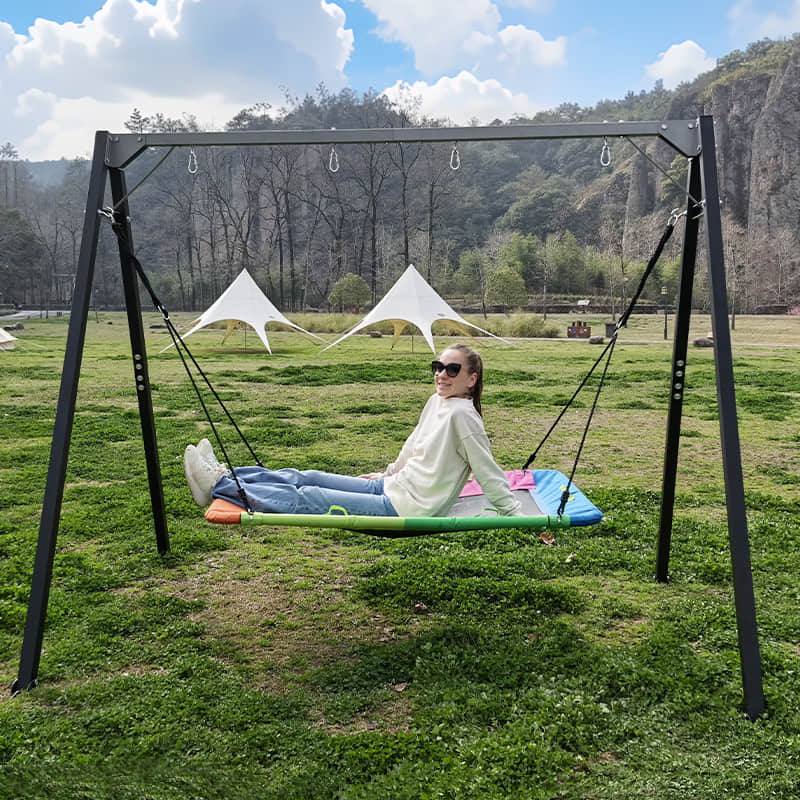
Buying a tree swing wholesale is a product, safety, and supply decision, not simply a price comparison. For retailers, schools, play venues, and distributors, the right choice depends on construction, intended users, installation conditions, documentation, and repeat-order consistency. A clear evaluation process helps buyers compare offers on useful criteria and identify questions to resolve before committing to a bulk purchase.
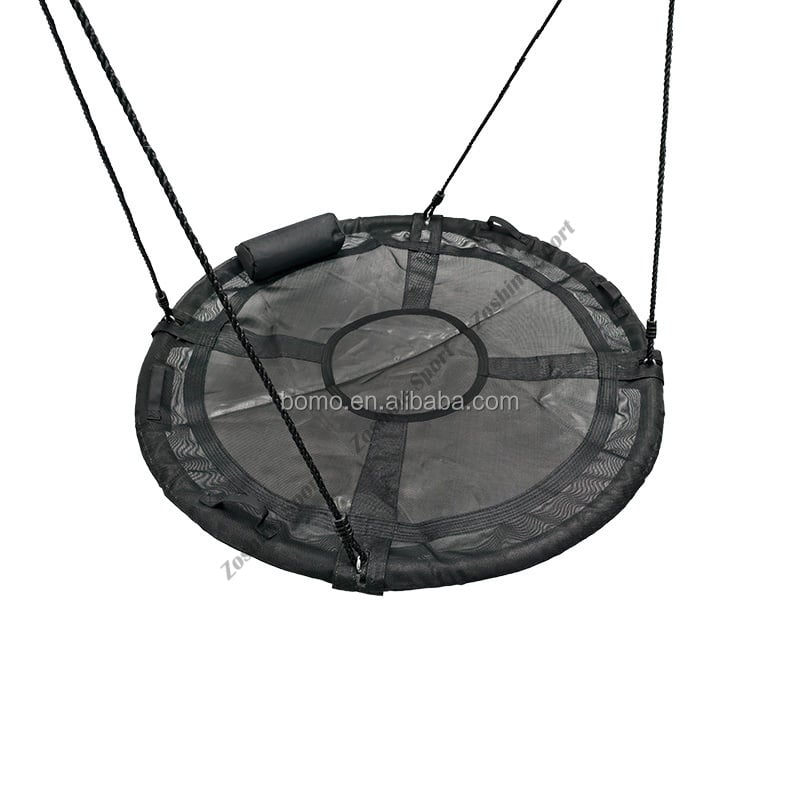
This guide focuses on the decisions behind wholesale sourcing: which materials suit the sales channel, how to review safety claims, and how to assess supplier fit. A tree swing intended for family gardens may have different requirements from equipment selected for a supervised play area. Define the use case first, then compare products against the same written criteria so that cost does not obscure practical suitability.
Evaluate materials for intended use
Match construction to users and setting
A tree swing should be assessed as a complete assembly, including the seat, suspension ropes or chains, connectors, and any adjustment components. Buyers should identify the intended age range, expected supervision, exposure to weather, and likely frequency of use. These details influence which construction features matter most. When comparing a tree swing offer, request clear material specifications rather than relying on broad descriptions such as durable or outdoor ready.
Seat materials can include molded plastics, wood, fabric, or combinations of components, and each brings different handling and maintenance considerations. A tree swing sold for outdoor use should be reviewed for moisture exposure, sunlight, cleaning needs, and storage expectations. Ask how surfaces and edges are finished, whether hardware is corrosion resistant, and what care instructions accompany the product. Such questions help buyers evaluate use conditions without assuming a material is suitable in every environment.
Review load-bearing components and upkeep
The visible seat is only one part of a tree swing’s service life. Rope construction, stitching, connectors, knots, and attachment points deserve equal attention because they carry loads and experience repeated movement. Request component details and any stated inspection or replacement guidance. A wholesale tree swing specification should make it possible to distinguish included hardware from items the end user must source separately.
Maintenance affects customer experience as well as operating costs for organizations managing several units. Check whether the tree swing can be cleaned with ordinary methods, whether components need periodic inspection, and how wear should be recognized. Packaging and instructions should explain storage during severe weather if relevant to the product design. Buyers can then communicate realistic care expectations rather than promising maintenance-free use.
Verify safety standards and product information
Check claims against applicable requirements
Safety review begins by identifying where and how the tree swing will be sold or installed. Requirements can vary by market, product category, age group, and whether use is domestic or commercial. Ask the supplier which standards or regulations are relevant to the offered model and request supporting documents. A general statement that a tree swing is safe is not a substitute for identifying the applicable requirement and evidence.
Review documents for model identification, test scope, issuing organization, dates, and any limitations. Confirm that the paperwork applies to the exact tree swing configuration being quoted, including its materials and supplied accessories. If evidence covers only a component or a different model, ask what additional verification is needed. Buyers should also establish who is responsible for checking local requirements before the product reaches its intended users.
Assess instructions, warnings, and installation context
Clear instructions help reduce avoidable installation and use errors. For each tree swing, examine whether the documentation addresses suitable support structures, attachment methods, clearance, supervision, inspection, and user limitations where applicable. Instructions should be understandable to the intended customer and consistent with the product supplied. If installation depends on a separate structure or hardware, clarify that distinction before preparing product listings or project specifications.
A product’s documented capacity should not be confused with a guarantee that every tree or support point is suitable. Buyers should communicate that the installation location must be assessed and that users need to follow the supplied guidance. For a tree swing used in a school or venue, establish an inspection routine and assign responsibility for removing equipment when it shows damage. Practical controls complement product documentation; they do not replace it.
Select a wholesale supplier with operational fit
Compare specification clarity and order readiness
Supplier selection should start with whether the quoted tree swing matches the buyer’s use case and documentation needs. Request a written specification covering dimensions, materials, components, packaging, customization, and applicable order conditions. Compare equivalent configurations, not just headline prices. A product listing can introduce an option, but a wholesale buyer should verify details directly before finalizing quantities, delivery expectations, or customer-facing claims.
Ask how the supplier identifies production versions and handles specification changes between orders. Consistent labeling, product images, and written records make it easier to confirm that repeat shipments match the approved tree swing. Buyers should also clarify minimum order quantities, lead-time assumptions, sample availability, and procedures for reporting defects. These details help purchasing teams plan stock and reduce uncertainty when coordinating launches or replenishment.
Test communication and long-term suitability
Responsive communication is useful when technical questions arise, but evaluate the substance of each answer. A suitable supplier should be able to explain the tree swing configuration, provide requested documentation, and identify unresolved questions rather than making unsupported assurances. Keep decisions and approved specifications in writing. This creates a practical reference for procurement, quality review, and future conversations about the same model.
Before placing a large order, consider a sample or other appropriate pre-order review when available. Check workmanship, packaging, instructions, and consistency with the quoted tree swing specification. Confirm how damaged goods, missing components, or specification discrepancies are handled, and understand the terms that apply to the transaction. The goal is not to eliminate every supply risk, but to make responsibilities and acceptance criteria clear.
FAQ
What should a wholesale buyer request before ordering?
Request a written tree swing specification, material and component details, applicable safety documentation, instructions, packaging information, and commercial terms. Confirm that documents match the exact model and configuration offered. If a requirement is unclear, resolve it before approving the order rather than assuming the product listing answers every technical question.
Can one tree swing suit both home and commercial settings?
Not automatically. A tree swing’s suitability depends on its intended users, installation conditions, applicable requirements, supervision, and expected use frequency. Buyers should verify the product’s scope and documentation for the actual setting. A household product should not be treated as commercial equipment without confirming that it meets the relevant requirements.
How can buyers reduce uncertainty in repeat orders?
Keep the approved tree swing specification, product identification, sample review notes, and supplier correspondence together. Confirm any changes before reorder and compare incoming goods with the agreed configuration. Written acceptance criteria and a defined process for reporting discrepancies make repeat purchasing more predictable without relying on assumptions about an earlier shipment.