
 EN
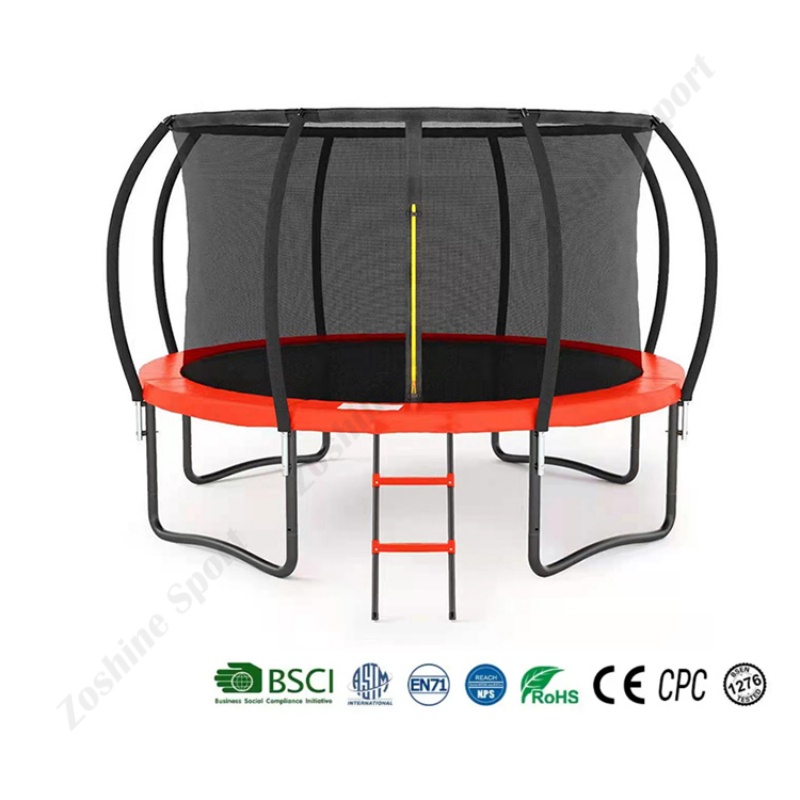
A B2B round trampoline purchase is not simply a choice of diameter or color. The right round trampoline must suit its intended users, operating environment, maintenance plan, and purchasing requirements. This guide explains how to assess quality, safety, and supplier capability before committing to an order, so your evaluation focuses on practical evidence rather than appearance alone.
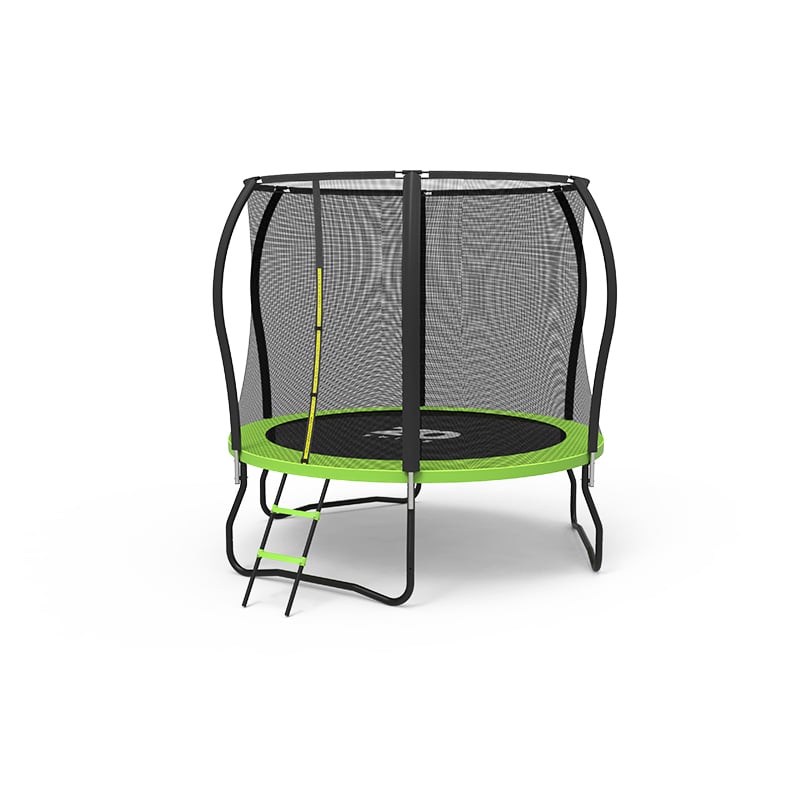
For schools, recreation operators, hospitality groups, and distributors, a round trampoline is an asset that must perform predictably within a defined use case. Start by specifying who will use it, where it will be installed, and how frequently it will be inspected. Those answers shape product requirements and help buyers compare quotations on equivalent terms instead of relying on headline price.
Assessing Round Trampoline Quality
Match construction to the operating environment
Evaluate the frame, legs, springs, mat, and protective padding as a connected system. A round trampoline for supervised indoor recreation may face different moisture, UV exposure, and storage conditions than one installed outdoors. Ask for material descriptions, dimensions, finish details, and assembly guidance, then check that the specification matches the environment in which the round trampoline will actually be used.
Frame stability depends on more than the visible tube diameter; joints, connection points, and support geometry also matter. Request clear drawings or product documentation for the round trampoline, including the number and placement of legs and the method used to secure major components. Review whether the design allows routine inspection and whether wear-prone parts can be identified and replaced without unclear disassembly steps.
Review component durability and documentation
For the jumping mat and spring system, ask how attachment points are constructed and what care instructions apply. A round trampoline specification should identify relevant materials and provide practical cleaning, storage, and inspection information. Buyers should look for consistent details across the quotation, manual, packaging, and product images, since mismatches can complicate receiving checks and after-sales support.
Quality review should include a sample or a structured document review when procurement conditions allow. Confirm dimensions and included accessories against the purchase specification, and record visible defects before acceptance. When comparing each round trampoline offer, distinguish documented facts from assumptions, such as expected service life or suitability for continuous public use. Ask the supplier to clarify any claim that is not supported by written product information.
Verifying Safety for Intended Use
Set requirements around users and installation
Safety begins with a clear use case: age range, supervision level, expected activity, and site constraints. A round trampoline intended for a family setting may not automatically meet the needs of a school or commercial recreation area. Define the user group and operating rules before evaluating models, then verify that warnings, access arrangements, and protective features align with the way the round trampoline will be managed.
Check the enclosure, entry closure, padding coverage, and fit between the safety net and frame. Ask how the round trampoline instructions address assembly, anchoring, clearance around the unit, and weather-related precautions. Installation conditions matter; adequate space and a level surface help reduce avoidable hazards. Buyers should document site requirements and assign responsibility for installation checks instead of assuming that delivery alone makes a unit ready for use.
Build inspection and operating controls
A written inspection routine makes safety requirements actionable. Establish who checks the mat, springs, frame joints, enclosure, and padding, how often checks occur, and how defects are recorded. The round trampoline manual should be reviewed for maintenance intervals and stop-use guidance. If instructions are incomplete, request clarification before deployment and incorporate the answer into internal operating procedures.
Also verify that user limits and supervision guidance are visible and understandable to the people responsible for day-to-day operation. A round trampoline procurement file should retain the relevant manuals, warnings, specifications, and acceptance records. These materials support staff training and make later audits more consistent. Do not treat a safety feature as a substitute for supervision, maintenance, or compliance with applicable local requirements.
Evaluating Suppliers and Purchase Fit
Test supplier capability with specific questions
A capable supplier should answer technical and logistical questions clearly, with information that matches the proposed product. Ask about production specifications, quality checks, packaging, lead times, order quantities, and the process for reporting defects. For a round trampoline order, request confirmation of what is included and what is optional. Clear written answers make it easier to compare proposals and reduce the risk of misunderstandings after purchase.
Review how the supplier handles documentation, replacement parts, and after-sales inquiries. A round trampoline is easier to manage when the buyer can identify components and obtain relevant support over the expected procurement relationship. Ask who responds to technical issues and what information is needed to assess a problem. Evaluate the completeness and consistency of answers, rather than relying on broad assurances that cannot be checked against the order.
Compare quotations on total purchase requirements
Before selecting an offer, align the specifications: size, included safety components, packaging, delivery terms, documentation, and service expectations. The lowest quoted price may omit elements needed to make a round trampoline suitable for the site. Compare costs in the context of installation, inspection, storage, and replacement planning. This approach helps purchasing teams explain the decision and avoid evaluating unlike products as if they were equivalent.
Create a concise approval record that states the intended use, required features, evidence reviewed, and open questions resolved. If a product sample or product page is part of the review, use it alongside written specifications rather than as a substitute. Buyers assessing a round trampoline should confirm that the exact model and configuration match the final quotation. Recheck those details before issuing a purchase order.
FAQ
What should a B2B buyer check first?
Begin with the intended users, installation site, and operating frequency. Those factors determine which round trampoline specifications, safety provisions, and supplier documents need review. Then compare offers against one written requirement set.
How can a buyer assess round trampoline safety?
Review the enclosure, padding, warnings, installation instructions, and maintenance guidance, then confirm they suit the actual site and user group. A round trampoline still requires appropriate supervision and regular documented inspections.
Why request written supplier details?
Written specifications help confirm that the delivered round trampoline matches the quotation and support consistent receiving checks. They also clarify included components, care instructions, and how to raise a technical or quality concern.