
 EN

Choosing a reliable round trampoline supplier is a retail decision that affects product safety, customer satisfaction, inventory planning, and your reputation. The right partner should provide consistent product specifications, clear documentation, predictable communication, and terms your business can evaluate before placing an order. A polished catalog alone is not enough evidence of reliability.
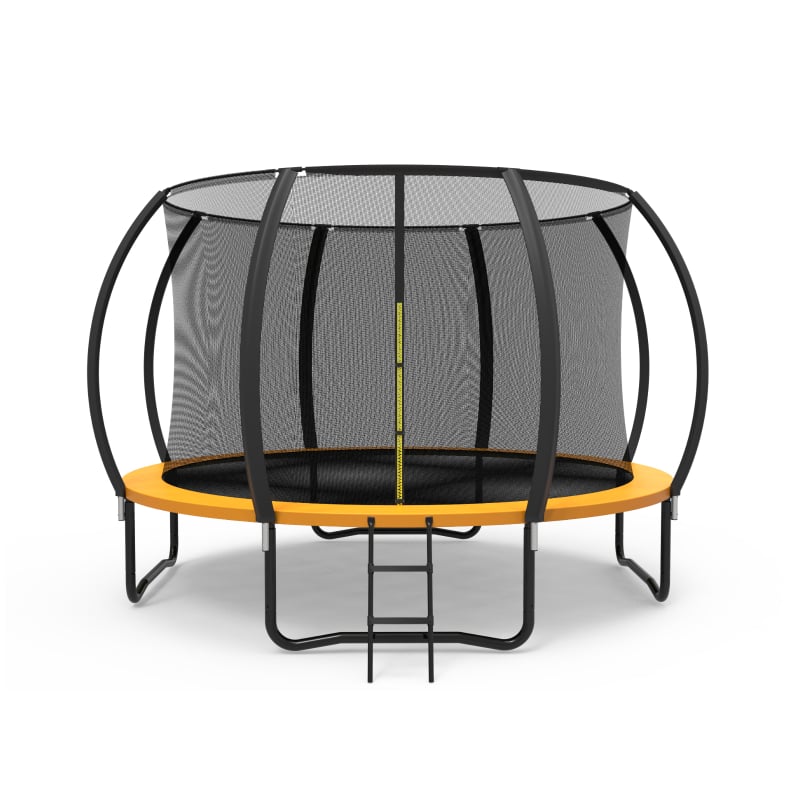
A disciplined review helps you distinguish a capable round trampoline supplier from a seller whose offer leaves important questions unanswered. Assess the item, the evidence supporting its claims, and the operating process behind the transaction. This guide focuses on practical checks for retailers, from initial product review through order planning and ongoing support.
Assess product quality and documentation
Review construction details before judging price
Start by requesting a complete specification for each round trampoline under consideration. Check the frame material and finish, enclosure design, jumping mat, spring or alternative connection system, padding, entry closure, and included accessories. Confirm dimensions, recommended use, assembly requirements, and package contents in writing so the product listing and delivered unit can be compared.
A round trampoline supplier should be able to explain how its model is built and identify which components vary between sizes or versions. Ask for clear product photographs, assembly instructions, and packaging details, then compare them with the specification sheet. If a response relies on general assurances instead of model-specific information, pause before treating the offer as ready for retail.
Verify safety information and traceability
Retailers need evidence they can review, not just safety language in a brochure. Ask what applicable standards or test reports relate to the exact round trampoline model, who issued the documents, and whether the model identifiers match the goods being quoted. Review warnings, age and supervision guidance, maximum user information, and care instructions for consistency across documents.
Also determine whether a round trampoline can be traced by batch, production date, or another useful identifier. Traceability supports investigation if a defect or customer concern emerges after sale. Request the supplier’s process for recording production and handling quality issues. Keep copies of documents and correspondence with product records rather than relying on verbal assurances made during sourcing.
Test supplier reliability before ordering
Evaluate communication and sample handling
The buying process itself reveals how a round trampoline supplier may perform after payment. Send specific questions about construction, lead time, packaging, and customization, then note whether answers are complete, consistent, and prompt enough for your workflow. A dependable contact will clarify uncertainty rather than quietly changing specifications or leaving material questions unresolved.
Where practical, request a sample or inspect a preproduction unit before committing to a larger round trampoline order. Check assembly, finish, stitching, fit between parts, labels, and the clarity of instructions. Record any differences from the agreed specification and ask how they will be corrected. A sample is useful only when the supplier confirms that production will follow the approved version.
Confirm capacity, lead times, and order terms
Ask for a written quotation that identifies the exact round trampoline model, order quantity, unit pricing, packaging, payment milestones, shipping responsibilities, and validity period. Confirm production lead time separately from transit time, and ask what events could affect the schedule. These details let a retailer plan launches, replenishment, and cash flow with fewer assumptions.
A round trampoline supplier should explain minimum order quantities, options for repeat orders, and how it handles changes after confirmation. Establish who pays for tooling or special packaging if applicable, and define approval steps for artwork or labeling. Review cancellation, delay, and defect terms before accepting the quotation; unclear responsibilities can turn a promising price into avoidable operating risk.
Capacity is not only a question of whether a round trampoline can be made once. Ask how the supplier plans to maintain the agreed configuration across replenishment orders and how you will be notified of component substitutions or design changes. Retail teams benefit from documented change control because product pages, customer expectations, and after-sale guidance depend on stable specifications.
Match the partnership to retail operations
Check packaging, logistics, and after-sale support
For a bulky round trampoline, packaging affects warehouse handling, freight planning, and the condition of goods on arrival. Confirm carton dimensions and weights, pallet or container arrangements, protective materials, and shipping marks. Ask how damaged cartons or shortages are recorded at receipt. Share these requirements with warehouse staff before the first shipment, not after an issue occurs.
Discuss what support is available when a customer reports a missing part, assembly problem, or product defect. A reliable round trampoline supplier should explain the contact route, information needed to review a case, and expected response process. Agree on access to replacement components and instructions where available, while making sure your own customer service team understands what it can promise.
Use a structured decision and ongoing review
Compare each round trampoline supplier against the same practical criteria: specification clarity, document quality, sample consistency, communication, commercial terms, logistics readiness, and issue resolution. Record evidence rather than relying on impressions. A simple internal scorecard can help merchandising, procurement, and compliance teams explain why an option fits the business and what concerns still need mitigation.
Before scaling orders, use a controlled initial purchase to test the full process, from approval and production updates to receiving inspection and customer feedback. Track whether the round trampoline matches approved details, arrives as scheduled, and is supported as agreed. Review results before replenishment, and document corrective actions so lessons influence the next purchase decision.
The appropriate partner depends on your channel and customer base. A retailer focused on compact storage may prioritize carton efficiency, while a business serving family recreation buyers may need especially clear assembly and supervision materials. In either case, evaluate the round trampoline against the needs you actually serve, and confirm that the supplier can support those needs without undocumented changes.
When a product matches your requirements and the review evidence is satisfactory, keep the approved specification attached to the purchase record. A round trampoline listing can be a starting point for evaluation, but the decision should rest on verified details and agreed terms. Revisit supplier performance periodically as volumes, product versions, and customer expectations change.
FAQ
What documents should I request from a round trampoline supplier?
Request model-specific specifications, available test or compliance documentation, warnings, assembly instructions, packaging details, and traceability information. Check that identifiers match the quoted round trampoline and ask who issued any reports. Retain the reviewed materials with purchase records, and clarify any gaps before approving inventory for sale.
Should I inspect a sample before placing a bulk order?
When feasible, sample review can reveal differences in assembly, finish, labeling, packaging, or supplied parts. Compare the sample with the written round trampoline specification and ask the supplier to confirm production consistency. If inspection is not practical, agree on clear documentation and receiving checks before committing to a larger order.
How can a retailer reduce sourcing risk?
Reduce uncertainty by documenting product requirements, verifying relevant records, checking commercial and delivery terms, and testing communication before scaling. Inspect received round trampoline units against the approved version and record problems promptly. Use the results of each order to review supplier performance and decide whether corrective action or a different sourcing plan is needed.