
 EN
Sourcing a pumpkin trampoline for resale takes more than finding a seasonal design and agreeing on a unit price. Importers and distributors need to assess product specifications, packaging, documentation, shipping constraints, and the timing of orders together. A pumpkin trampoline can attract attention in a seasonal assortment, but commercial success depends on whether the offer fits the channel and can be delivered as planned.
This guide explains how to build a practical sourcing plan around a pumpkin trampoline, from defining the intended market to confirming shipment details. It focuses on the decisions that reduce avoidable surprises for buyers and help distributors set expectations with retailers. Use the guidance to prepare questions, compare documented specifications, and decide whether a pumpkin trampoline belongs in your assortment.
Define the product and its market fit
Translate seasonal appeal into a clear sales brief
Start by describing the customer and selling period rather than relying on the seasonal look alone. A pumpkin trampoline may suit family-oriented retail, party-related promotions, or themed seasonal displays, but each channel has different space and price expectations. Specify the intended user, retail setting, planned launch window, and target price range so the pumpkin trampoline brief gives the exporter a practical basis for discussion.
Clarify whether buyers expect the pumpkin trampoline to function as a standard recreational item with seasonal styling or as a short-term promotional product. That distinction affects how much emphasis to place on presentation, durability information, and replacement parts. For a pumpkin trampoline sold through a general toy or outdoor category, clear product education may matter more than elaborate seasonal packaging, while event-led retail may place greater value on visual impact.
Review construction and product information
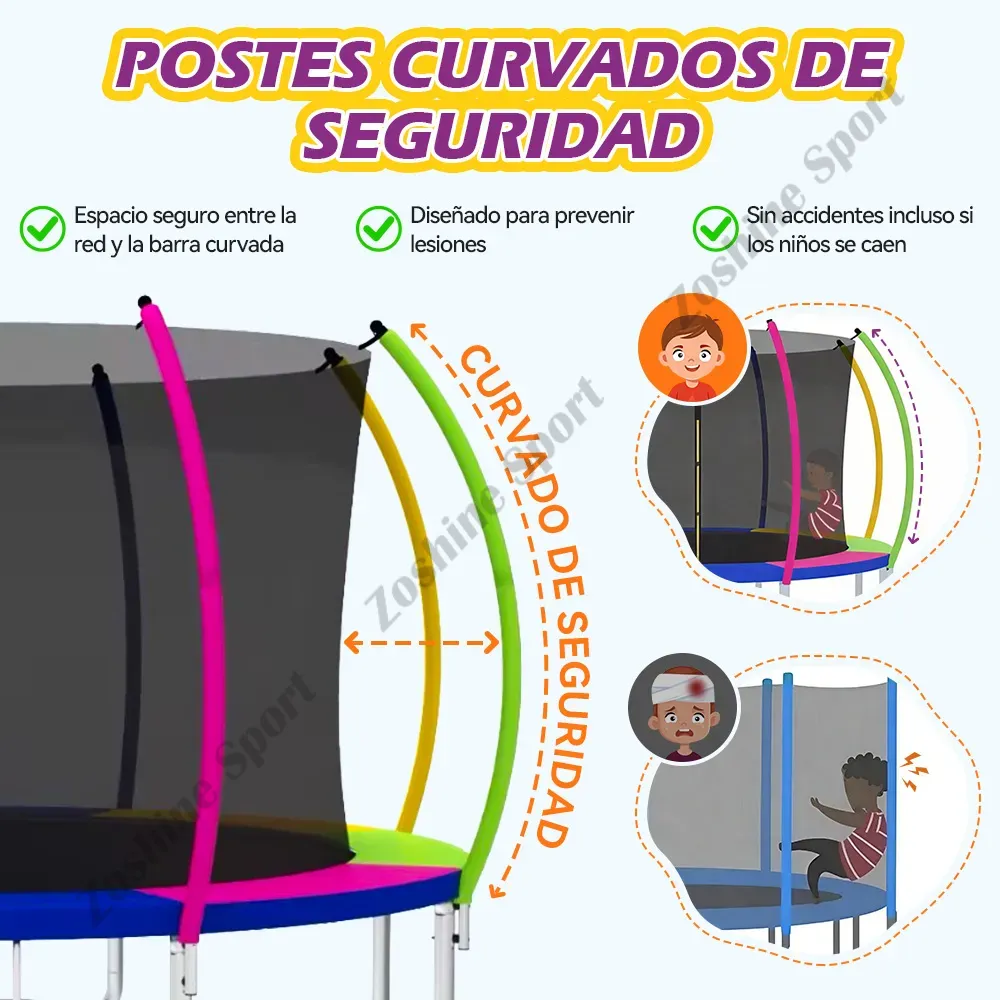
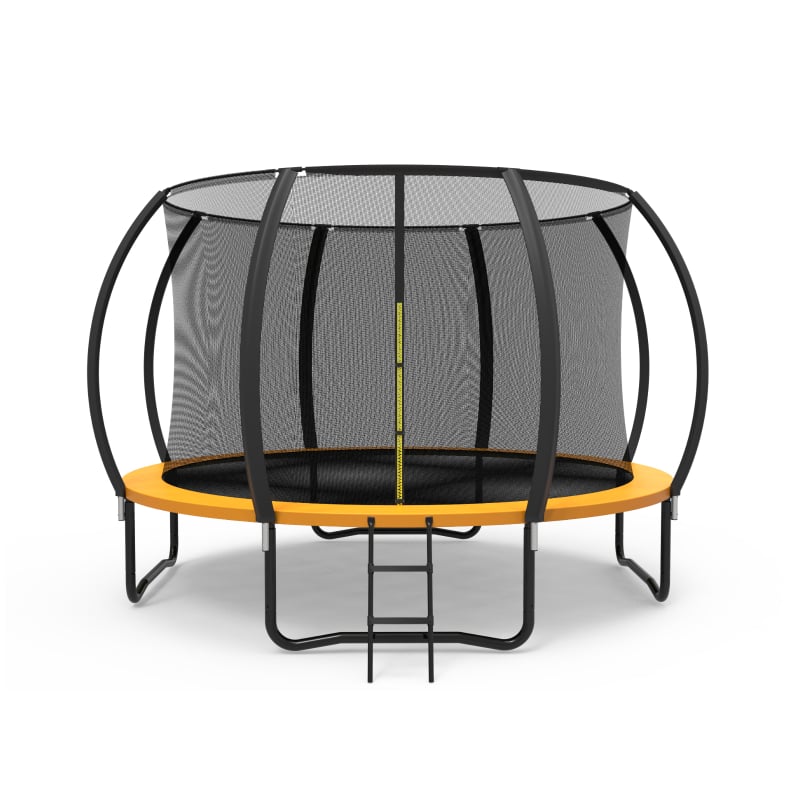
Request a complete specification sheet for the pumpkin trampoline, including dimensions, frame and jumping-surface materials, enclosure details if supplied, maximum user guidance, and included accessories. Ask how the parts are identified and whether assembly instructions are provided in the languages needed for your market. These details let purchasing, quality, and merchandising teams review the same pumpkin trampoline configuration instead of making decisions from a product image alone.
Check that product descriptions, labels, and packaging communicate intended use and warnings consistently. For a pumpkin trampoline, confirm which claims are supported by available documentation and which are only descriptive. A buyer should not assume that a seasonal appearance changes the product’s safety or regulatory obligations. Keep approved specifications and artwork versions on file so later orders of the pumpkin trampoline can be checked against the same reference.
Qualify the order before committing
Confirm commercial terms and order details
Discuss minimum order quantity, sample arrangements, production lead time, payment milestones, and the definition of an accepted order. A pumpkin trampoline may have demand concentrated around a particular season, making production and booking dates especially important. Ask for a written quotation that identifies the exact model, configuration, packaging, and shipment basis. This prevents a pumpkin trampoline price from being compared without accounting for differences in scope.
Before approving a sample, confirm whether it represents the production configuration, including materials, accessories, colors, and carton presentation. Document any approved changes and agree how production will be checked against them. If you are sourcing a pumpkin trampoline for multiple sales channels, consider whether one pack format works across all channels. A small difference in carton labeling or included instructions can create extra work after a pumpkin trampoline shipment arrives.
Establish quality and compliance checks
Set acceptance criteria before production rather than negotiating them after goods are finished. Ask what inspection stages are available, what records can be shared, and how nonconforming units will be handled. For a pumpkin trampoline, agree which dimensions, components, packaging features, and visual details are critical. Keep the criteria specific enough to verify, and make sure they match the final approved sample and purchase documents.
Identify the regulations, testing, and labeling requirements applicable in the destination market with qualified local support. Requirements depend on product design, age guidance, claims, and jurisdiction, so avoid treating a pumpkin trampoline as compliant based on a general statement. Request relevant reports and confirm that they apply to the model being ordered. The importer remains responsible for understanding local obligations before placing a pumpkin trampoline on sale.
Plan shipping, launch, and repeat supply
Coordinate packaging and delivery timing
Request carton dimensions, gross weight, units per carton, and loading information early enough for freight planning. These figures influence landed cost, warehouse handling, and retail replenishment decisions. A pumpkin trampoline that appears attractive at the quoted unit price may require a different logistics plan if its packed volume affects container utilization. Verify final packing data before booking freight and compare the shipment schedule with the pumpkin trampoline launch date.
Allow time for sample review, production, inspection, document preparation, transit, customs clearance, and receiving. Seasonal sales leave less room to recover from a delayed pumpkin trampoline shipment, so use a realistic schedule with agreed milestones rather than a single estimated arrival date. Confirm who prepares export documents and which party handles each transport step. Share schedule changes promptly with sales and inventory teams managing the pumpkin trampoline rollout.
Prepare channel support and future orders
Give retailers accurate product descriptions, dimensions, assembly guidance, care information, and approved images before launch. This helps staff explain what the pumpkin trampoline includes and how customers should use it. Keep marketing language consistent with verified product information and avoid unsupported performance or safety promises. A well-prepared listing can make a pumpkin trampoline easier to merchandise without creating confusion between the online description and the delivered product.
After the first order, review sell-through, customer questions, damage reports, and stock remaining by channel. Use those observations to adjust the next pumpkin trampoline order quantity, packaging choices, or launch timing. If the seasonal window is brief, a repeat order may not be practical; if demand continues, plan replenishment against confirmed lead times. Record the decisions so future pumpkin trampoline purchasing is based on operating evidence rather than assumption.
FAQ
What should importers confirm before ordering a pumpkin trampoline?
Confirm the final specification, sample approval, order quantity, price basis, lead time, packaging, inspection plan, and destination-market requirements. Ask for applicable documentation and verify it matches the pumpkin trampoline model being purchased. Written agreement on these points gives both parties a shared reference before production starts.
When should distributors begin sourcing for a seasonal launch?
Work backward from the intended retail date, allowing time for product review, production, freight, customs, and distribution. Confirm current lead times with the exporter instead of relying on assumptions. For a pumpkin trampoline with seasonal demand, early planning gives teams more options if a schedule or specification needs attention.
How can buyers assess a pumpkin trampoline quotation?
Compare quotations only after matching the model, included components, packaging, shipping terms, and order quantity. Review documentation and quality arrangements as part of the commercial picture, not as separate afterthoughts. A clear pumpkin trampoline quotation should make the scope and exclusions understandable to purchasing and logistics teams.