
 EN
EN
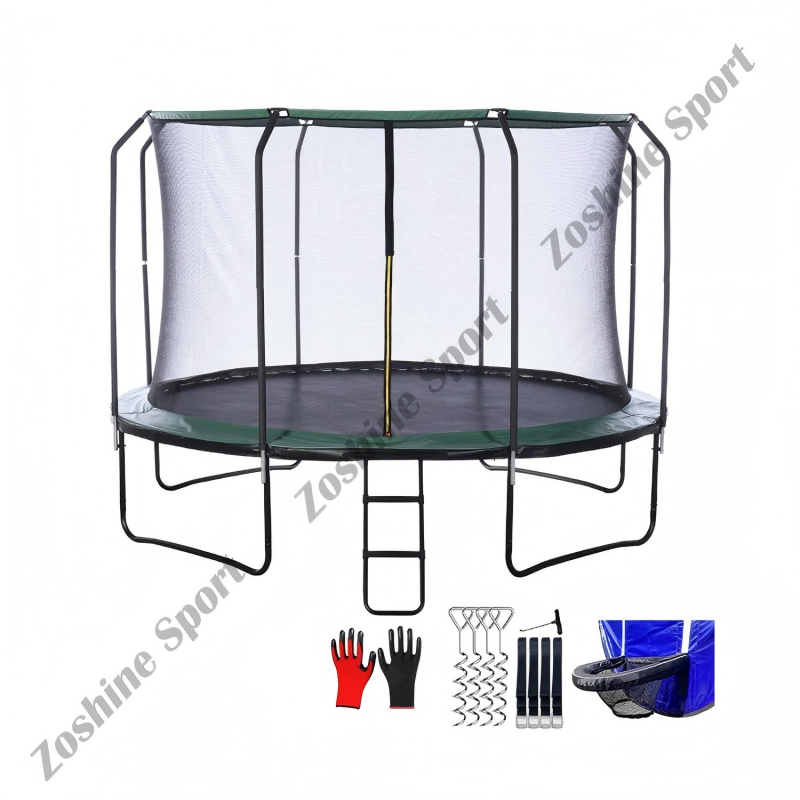
Verifying the structural stability of a round trampoline requires adherence to established professional testing standards that evaluate critical safety parameters including frame integrity, bounce surface durability, and overall structural performance. Professional testing protocols examine weight distribution patterns, stress tolerance thresholds, and material fatigue resistance to ensure that every round trampoline meets stringent safety requirements before reaching consumers.
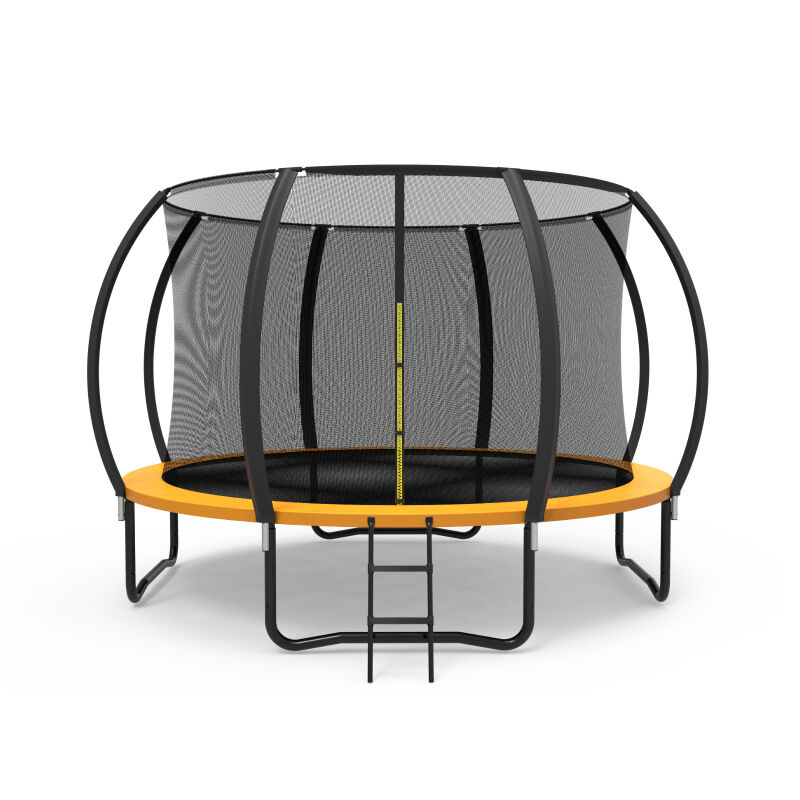
The verification process encompasses multiple testing methodologies that assess how well a round trampoline withstands repeated use, environmental conditions, and maximum load scenarios. These comprehensive evaluations follow internationally recognized safety standards that manufacturers must meet to demonstrate product reliability and user protection across various demographic groups and usage patterns.
Core Testing Standards and Certification Requirements
International Safety Standard Frameworks
Professional testing of a round trampoline follows established frameworks including ASTM F381 standards in North America and EN 71-14 regulations in Europe. These standards define specific test procedures for evaluating structural integrity, including load distribution assessments where the round trampoline must support concentrated weights exceeding normal user loads by predetermined safety margins.
The ASTM F381 standard requires that every round trampoline undergo static load testing where weights are placed at critical stress points to verify frame stability and joint integrity. Testing protocols evaluate how the circular frame geometry distributes forces and whether connection points maintain structural soundness under maximum stress conditions.
European EN 71-14 standards complement these requirements by establishing additional criteria for material durability and environmental resistance. These standards ensure that a round trampoline maintains structural performance across temperature variations, UV exposure, and moisture conditions that affect long-term stability and safety performance.
Load Distribution and Weight Testing Protocols
Structural verification involves systematic load testing where a round trampoline must demonstrate capacity to handle distributed weights significantly exceeding recommended user limits. Testing facilities apply graduated loads across the jumping surface to evaluate how the circular frame responds to various weight distribution patterns and impact scenarios.
Dynamic load testing simulates actual usage conditions by applying repetitive bouncing forces that replicate extended use patterns. These tests verify that the round trampoline frame maintains geometric stability and joint integrity after thousands of simulated bounce cycles that exceed typical household usage expectations.
Professional testing also includes concentrated load assessments where heavy weights are placed at specific frame locations to test weak point resistance. This verification ensures that the round trampoline design effectively distributes stress loads and prevents localized failure points that could compromise overall structural stability during normal operation.
Frame Integrity and Material Stress Analysis
Steel Frame Durability Assessment
Frame integrity testing examines how the steel construction of a round trampoline responds to various stress conditions including torsional forces, compression loads, and fatigue cycling. Professional testing facilities use specialized equipment to apply controlled stress patterns that simulate years of typical usage within compressed testing timeframes.
Metallurgical analysis evaluates the steel quality and welding integrity of round trampoline frames through microscopic examination and stress testing of joint connections. These assessments verify that frame materials meet specified strength requirements and that welding processes create reliable bonds capable of withstanding operational stresses.
Corrosion resistance testing exposes round trampoline frames to accelerated weathering conditions including salt spray exposure and thermal cycling. These tests verify that protective coatings and galvanization processes provide adequate protection against environmental degradation that could compromise structural integrity over time.
Connection Point and Joint Analysis
Professional testing examines every connection point where frame sections join together on a round trampoline to verify that fasteners, welds, and mechanical connections maintain integrity under operational stresses. Testing protocols apply forces that exceed normal usage parameters to identify potential failure modes and verify safety margins.
Joint fatigue testing subjects round trampoline connections to repetitive stress cycles that simulate extended usage patterns. These assessments verify that connection methods maintain strength and stability after thousands of loading cycles that represent years of typical household usage under various conditions.
Stress concentration analysis identifies areas where forces concentrate within the round trampoline frame structure during use. Testing protocols verify that frame design adequately addresses these stress concentration points through appropriate material thickness, reinforcement, or geometric modifications that prevent premature failure.
Bounce Surface and Spring System Verification
Mat Material Tensile Strength Testing
The jumping mat of a round trampoline undergoes tensile strength testing to verify material durability and tear resistance under normal and extreme usage conditions. Testing protocols apply controlled forces to mat samples to determine ultimate strength limits and establish safe operating parameters for various user demographics.
UV degradation testing exposes round trampoline mat materials to accelerated sunlight exposure that simulates years of outdoor use within controlled laboratory conditions. These tests verify that mat materials maintain adequate strength and flexibility after extended UV exposure that naturally occurs during outdoor installation.
Puncture resistance evaluation tests how well round trampoline mat materials resist damage from sharp objects or concentrated forces that might occur during typical use. Testing protocols verify that mat construction provides adequate protection against common hazards while maintaining bounce performance characteristics.
Spring System Load and Fatigue Analysis
Spring system testing evaluates how the coil springs attached to a round trampoline perform under repetitive loading conditions that simulate extended usage patterns. Professional testing applies controlled compression and extension cycles to verify that springs maintain consistent performance and avoid premature failure modes.
Load distribution analysis examines how individual springs within the round trampoline system share forces during use. Testing protocols verify that spring attachment methods and positioning create uniform load sharing that prevents overloading of individual springs while maintaining consistent bounce characteristics across the entire surface.
Corrosion resistance testing exposes round trampoline springs to environmental conditions including moisture, temperature variations, and salt exposure. These assessments verify that spring materials and protective coatings provide adequate protection against degradation that could affect performance or create safety hazards over time.
Environmental Durability and Weather Resistance Testing
Temperature Cycle and Thermal Stress Assessment
Environmental testing subjects a round trampoline to extreme temperature cycles that simulate seasonal weather variations across different geographic regions. These tests verify that materials maintain structural properties and dimensional stability across temperature ranges from extreme cold to high heat conditions.
Thermal expansion analysis evaluates how different materials within the round trampoline system expand and contract at different rates during temperature changes. Testing protocols verify that design accommodates thermal movement without creating stress concentrations or connection failures that could compromise safety.
Freeze-thaw cycle testing examines how repeated freezing and thawing affects round trampoline materials and connections. These assessments are particularly important for installations in climates where temperature fluctuations regularly cross the freezing point and could affect material properties.
Moisture and Corrosion Resistance Evaluation
Moisture resistance testing exposes round trampoline components to controlled humidity conditions and direct water exposure that simulate outdoor installation environments. These tests verify that materials and protective coatings provide adequate protection against moisture-related degradation including rust, corrosion, and material deterioration.
Salt spray testing subjects metal components of a round trampoline to accelerated corrosion conditions that simulate coastal environments or areas where road salt application occurs during winter months. These assessments verify that protective treatments provide adequate long-term protection against aggressive environmental conditions.
Water drainage evaluation examines how effectively a round trampoline design sheds water to prevent accumulation that could lead to material degradation or safety hazards. Testing protocols verify that frame geometry and surface designs promote effective water removal without creating areas where moisture can accumulate and cause problems.
Quality Assurance and Compliance Verification
Manufacturing Quality Control Standards
Quality assurance protocols for a round trampoline include systematic inspection procedures that verify manufacturing consistency and adherence to design specifications. These procedures examine dimensional accuracy, material quality, and assembly processes to ensure that every unit meets established safety and performance standards.
Statistical sampling methods evaluate production consistency by testing representative samples from manufacturing batches. These assessments verify that the round trampoline manufacturing process maintains quality standards across production runs and identifies any variations that could affect safety or performance characteristics.
Traceability systems track materials and components used in each round trampoline to enable rapid identification and resolution of quality issues if they arise. These systems ensure that manufacturers can quickly address potential problems and maintain consumer confidence in product safety and reliability.
Third-Party Certification and Validation
Independent testing laboratories provide third-party verification that a round trampoline meets established safety standards through unbiased evaluation procedures. These certifications provide consumers and retailers with confidence that products have been thoroughly tested by qualified professionals using standardized methodologies.
Ongoing compliance monitoring ensures that round trampoline manufacturers maintain quality standards throughout production runs. Regular audits and spot testing verify that manufacturing processes continue to produce units that meet safety requirements and performance specifications established during initial certification.
Documentation requirements ensure that all testing results and quality control procedures for each round trampoline model are properly recorded and maintained. These records provide essential information for regulatory compliance, warranty support, and continuous improvement of safety and performance standards.
FAQ
What specific load limits must a round trampoline pass during professional testing?
Professional testing standards typically require a round trampoline to support static loads of at least 300% of the stated user weight limit, with dynamic testing involving repeated loading cycles that exceed normal usage patterns. These tests verify that the frame, springs, and jumping surface maintain structural integrity under extreme conditions that far exceed typical household usage scenarios.
How long do environmental durability tests take for round trampoline certification?
Environmental testing for a round trampoline typically involves accelerated aging processes that compress years of exposure into weeks or months of laboratory testing. UV exposure tests may run for 1000+ hours, while corrosion testing can extend for several months to simulate decades of outdoor exposure under controlled conditions that replicate real-world environmental challenges.
Which components of a round trampoline undergo the most rigorous testing procedures?
The frame joints and spring attachment points of a round trampoline receive the most intensive testing because these areas experience the highest stress concentrations during use. Testing protocols focus heavily on weld quality, fastener integrity, and connection strength since failure at these critical points could result in catastrophic structural collapse and serious injury to users.
Are there different testing standards for different sizes of round trampolines?
While basic safety standards apply to all round trampoline sizes, larger models typically undergo more extensive testing due to increased structural complexity and higher potential energy involved during use. Testing protocols may include additional assessments for larger frames including enhanced load distribution analysis and more comprehensive fatigue testing to account for the increased stresses associated with larger diameter designs.
Table of Contents
- Core Testing Standards and Certification Requirements
- Frame Integrity and Material Stress Analysis
- Bounce Surface and Spring System Verification
- Environmental Durability and Weather Resistance Testing
- Quality Assurance and Compliance Verification
-
FAQ
- What specific load limits must a round trampoline pass during professional testing?
- How long do environmental durability tests take for round trampoline certification?
- Which components of a round trampoline undergo the most rigorous testing procedures?
- Are there different testing standards for different sizes of round trampolines?