Therapeutic Benefits and Sensory Integration Support
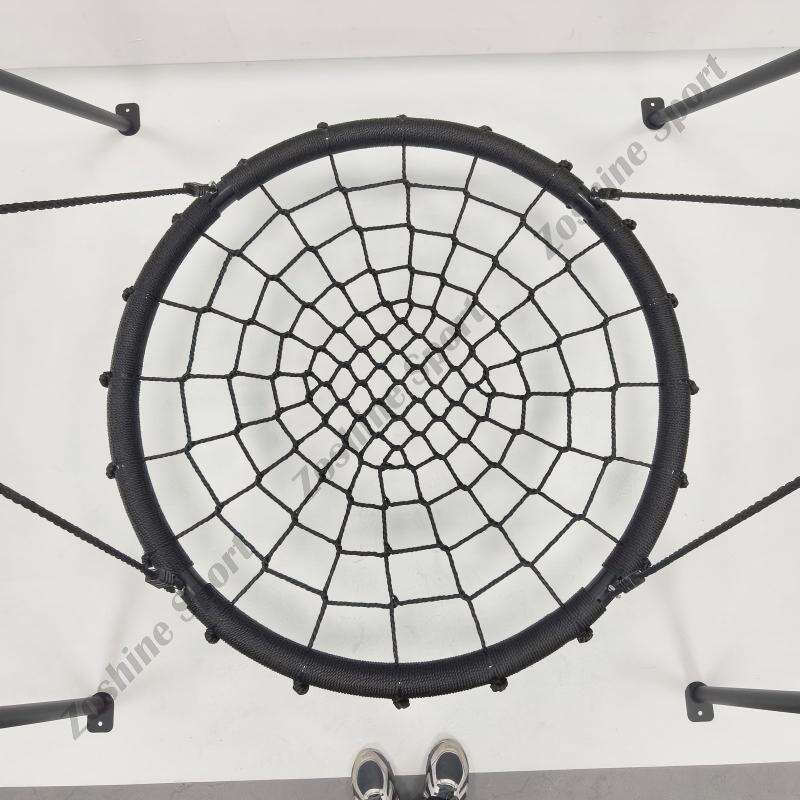
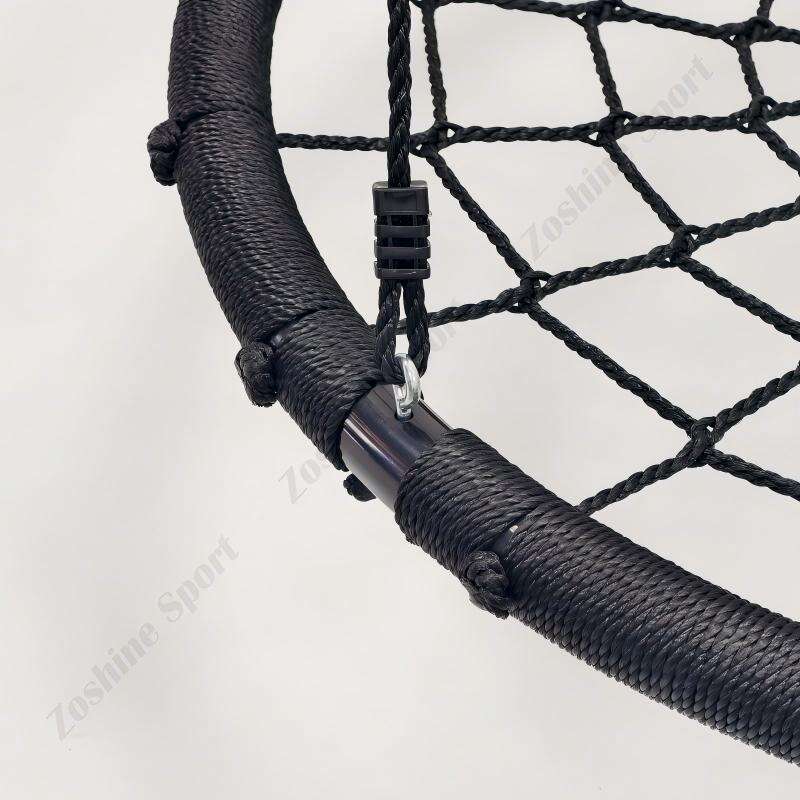
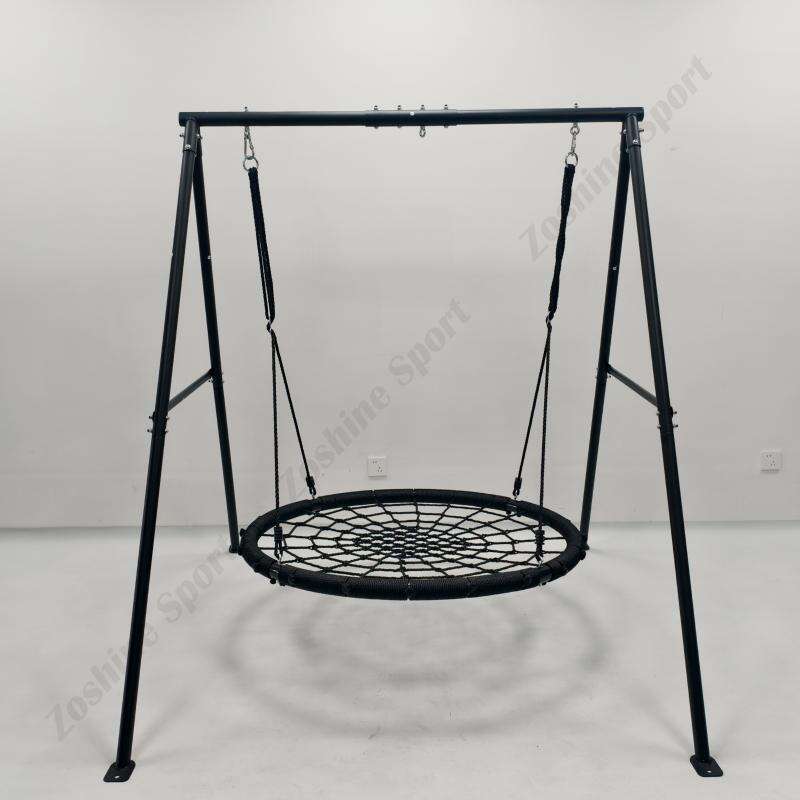
The round net tree swing provides remarkable therapeutic benefits that extend far beyond traditional recreational applications, offering valuable sensory integration support for children with diverse developmental needs and challenges. Occupational therapists frequently recommend swinging activities for children with autism spectrum disorders, ADHD, sensory processing difficulties, and other neurological differences, as the rhythmic motion stimulates the vestibular system responsible for balance, spatial awareness, and sensory integration. The round net tree swing's unique design enhances these therapeutic benefits through its flexible surface that provides proprioceptive feedback, helping children develop body awareness and spatial orientation skills essential for academic and social success. The gentle, controlled motion available with this swing design allows therapeutic applications at varying intensity levels, accommodating children with sensitivities while still providing beneficial sensory input. Unlike rigid swings that produce jarring movements, the round net tree swing offers smooth, flowing motion that calms overstimulated nervous systems and provides organizing input for children struggling with sensory regulation challenges. Parents report significant improvements in their children's attention span, emotional regulation, and sleep patterns following regular swing sessions, as the vestibular stimulation helps organize neurological function throughout the day. The platform design supports various therapeutic positioning options, allowing children to swing while lying prone, sitting, or standing, each position targeting different therapeutic goals and sensory systems. Physical therapy applications include strengthening core muscles, improving postural control, and enhancing bilateral coordination as children maintain balance on the moving surface. The social aspect of shared swinging experiences provides additional therapeutic value by encouraging communication, turn-taking, and social interaction in a naturally motivating environment. Special education teachers incorporate the round net tree swing into sensory break programs, using controlled swing sessions to help students regulate their arousal levels and improve focus for academic tasks. The calming effects of rhythmic swinging motion support emotional regulation strategies, teaching children self-soothing techniques they can request when feeling overwhelmed or dysregulated, ultimately promoting greater independence and self-advocacy skills.

 EN
EN