
 EN
EN
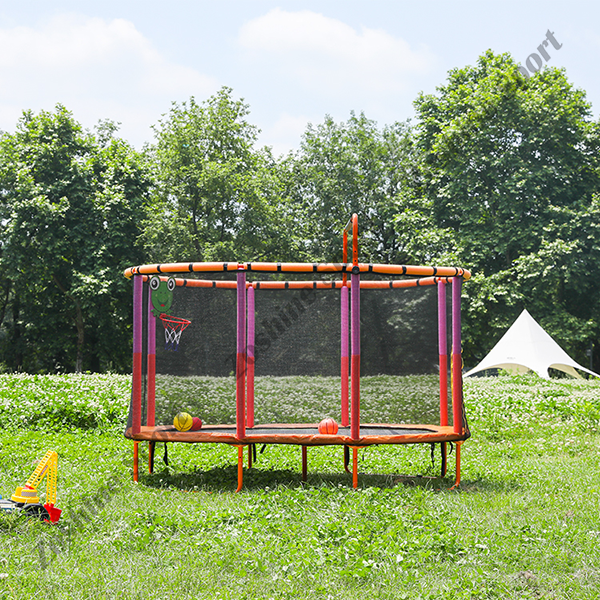
Choosing the right round trampoline for your outdoor space requires careful consideration of multiple factors that extend beyond simple size preferences. Modern families increasingly recognize trampolines as essential recreational equipment that promotes physical fitness while providing endless entertainment for children and adults alike. The market offers various round trampoline options, each designed to meet specific spatial constraints and budgetary requirements. Understanding these variables ensures you make an informed decision that maximizes both safety and enjoyment for years to come.
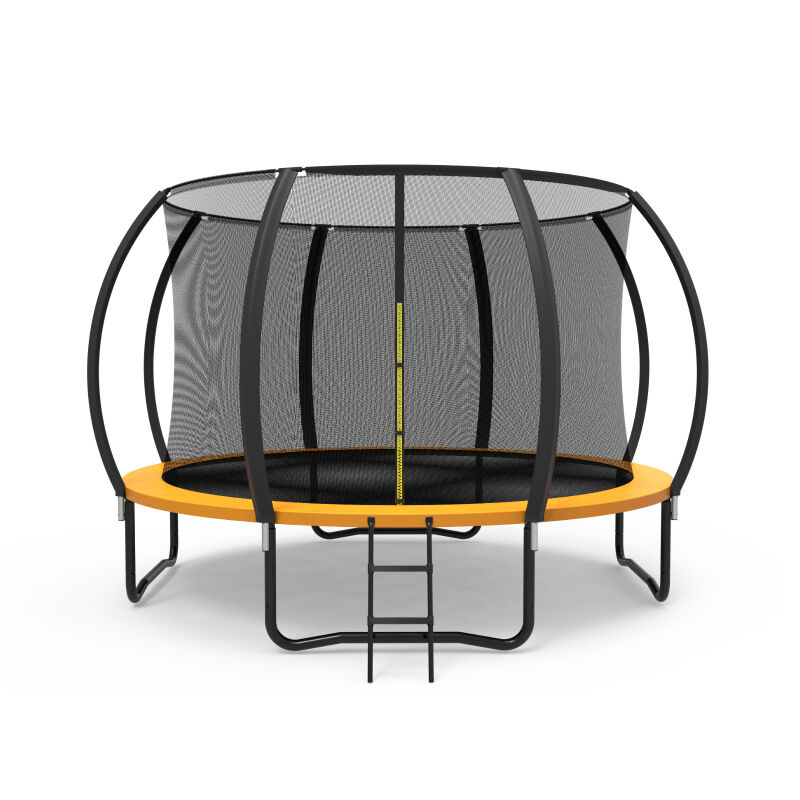
Garden space assessment becomes the foundation for selecting an appropriate round trampoline size that complements your outdoor environment. Professional installation guidelines recommend maintaining adequate clearance zones around the perimeter to prevent accidents and ensure optimal performance. The relationship between available space and trampoline dimensions directly influences user experience and long-term satisfaction with your investment.
Essential Space Requirements for Round Trampolines
Measuring Your Available Garden Area
Accurate measurements of your garden space provide the starting point for round trampoline selection, requiring consideration of both horizontal and vertical clearances. Standard safety protocols mandate maintaining minimum distances of six feet from fences, structures, trees, and other potential hazards. This clearance zone prevents injuries during bouncing sessions and allows for proper air circulation around the round trampoline frame.
Overhead clearance presents another crucial factor, with experts recommending at least twenty-four feet of vertical space above the jumping surface. Power lines, tree branches, and building overhangs must be identified and measured to ensure safe operation. The round trampoline placement should also consider ground slope, drainage patterns, and accessibility for regular maintenance activities.
Ground surface preparation involves leveling the installation area and removing rocks, debris, or sharp objects that could damage the equipment. Many homeowners underestimate the importance of proper ground preparation, which directly affects the round trampoline stability and longevity. Professional installers often recommend creating a dedicated area with appropriate drainage to prevent water accumulation during rainy seasons.
Safety Zone Calculations
Safety zone calculations extend beyond the round trampoline footprint to encompass the entire activity area where users might land during vigorous bouncing sessions. Industry standards specify minimum clearance distances that vary based on trampoline size and intended user demographics. Larger round trampoline models require proportionally larger safety zones to accommodate increased bouncing heights and distances.
The safety perimeter should remain clear of garden furniture, playground equipment, swimming pools, and decorative elements that could pose injury risks. Some manufacturers provide detailed safety zone diagrams that illustrate optimal positioning relative to existing landscape features. These guidelines help homeowners visualize the total space commitment required for safe round trampoline operation.
Regular safety zone maintenance involves trimming vegetation, relocating temporary obstacles, and ensuring clear sight lines for supervision purposes. Parents and caregivers must be able to monitor trampoline activities from multiple vantage points without obstruction. The round trampoline safety zone becomes an extension of the equipment itself, requiring ongoing attention and care.
Popular Round Trampoline Size Options
Compact Models for Limited Spaces
Compact round trampoline models, typically ranging from eight to ten feet in diameter, serve households with limited garden space or budget constraints. These smaller units provide adequate bouncing surface for younger children while fitting comfortably in urban backyards or apartment complexes with outdoor access. The reduced footprint allows for easier installation and seasonal storage if necessary.
Eight-foot round trampoline options excel in confined spaces while still delivering satisfying recreational experiences for users up to certain weight limits. These compact models often feature simplified assembly processes and require fewer replacement parts over their operational lifespan. The lower initial investment makes them attractive to families testing their interest in trampoline ownership before committing to larger installations.
Ten-foot round trampoline models represent a popular middle ground, offering increased jumping space while maintaining reasonable space requirements. This size category accommodates multiple children simultaneously and provides room for basic bouncing tricks and exercises. The round trampoline market shows strong demand for this size due to its versatility and manageable installation requirements.
Medium and Large Diameter Options
Medium-sized round trampoline models, spanning twelve to fourteen feet in diameter, cater to growing families seeking enhanced recreational capabilities and increased user capacity. These dimensions support more dynamic bouncing activities and accommodate teenagers or adults who desire greater jumping surface area. The larger size translates to improved stability and reduced crowding during group play sessions.
Twelve-foot round trampoline installations become increasingly popular among suburban homeowners with adequate yard space and multiple children of varying ages. This size category offers excellent value proposition by balancing performance capabilities with reasonable space and cost requirements. The additional jumping surface enables more sophisticated bouncing routines and reduces the likelihood of user collisions during active play.
Fifteen-foot and larger round trampoline models target serious recreational users and families with extensive outdoor space available for installation. These premium sizes deliver professional-grade bouncing experiences and can accommodate advanced tricks, fitness routines, and competitive training activities. The investment in larger round trampoline equipment often reflects long-term commitment to outdoor recreation and physical fitness goals.
Budget Considerations Across Different Sizes
Initial Purchase Price Variations
Initial purchase prices for round trampoline equipment vary significantly based on size, construction quality, safety features, and brand reputation. Smaller models typically start at budget-friendly price points that make trampoline ownership accessible to most families. However, price comparisons must consider the total value package including safety nets, padding, warranties, and included accessories.
Mid-range round trampoline options often provide the best balance between cost and performance, incorporating quality materials and safety features without premium pricing. These models frequently include comprehensive safety enclosures, weather-resistant padding, and extended warranty coverage. The price differential between sizes becomes more pronounced as diameters increase beyond standard residential dimensions.
Premium round trampoline models command higher prices due to superior construction materials, advanced safety systems, and enhanced durability features. Professional-grade components, reinforced frames, and commercial-quality jumping surfaces justify the increased investment for serious users. The cost per square foot of jumping surface often decreases with larger sizes, making bigger round trampoline models more economical for extensive use.
Long-term Ownership Costs
Long-term ownership costs encompass maintenance expenses, replacement parts, and periodic upgrades that accumulate over the round trampoline operational lifespan. Smaller models typically require less expensive replacement components and consume fewer materials for repairs and maintenance. However, frequent use may accelerate wear rates and necessitate more regular attention to safety features.
Larger round trampoline installations often demonstrate better cost efficiency over extended periods due to more robust construction and reduced per-user wear rates. The higher initial investment spreads across longer service life and greater user capacity. Replacement parts for premium models may cost more individually but typically last longer and require less frequent replacement cycles.
Seasonal maintenance costs vary based on climate exposure, usage intensity, and storage capabilities available to protect the round trampoline during harsh weather conditions. Proper maintenance protocols extend equipment lifespan and maintain safety standards regardless of size or price category. The investment in quality covers, anchor systems, and protective accessories pays dividends through reduced replacement frequency and enhanced user safety.
Installation and Maintenance Requirements
Assembly Complexity by Size
Assembly complexity increases proportionally with round trampoline size, requiring additional time, tools, and potentially professional installation services for larger models. Smaller units often feature simplified assembly processes that most homeowners can complete using basic hand tools and included instructions. The reduced number of components and lighter individual pieces make compact round trampoline installation more accessible to DIY enthusiasts.
Medium and large round trampoline models typically require multiple people for safe assembly due to increased component weights and complex safety enclosure systems. Professional installation services become cost-effective options for larger sizes, ensuring proper assembly and optimal safety configuration. The time investment for self-installation can extend to full weekends for inexperienced assemblers working with premium round trampoline equipment.
Pre-installation site preparation becomes more critical for larger round trampoline models due to increased weight and stability requirements. Ground leveling, drainage considerations, and anchor point installation require greater precision and potentially professional landscaping assistance. The complexity of achieving proper installation directly impacts long-term performance and safety outcomes for users.
Ongoing Care and Maintenance Needs
Ongoing maintenance requirements scale with round trampoline size and usage intensity, encompassing regular inspections, cleaning protocols, and component replacements. Larger installations require more time and materials for thorough maintenance cycles but often demonstrate greater resilience to wear and weather exposure. The maintenance schedule should address frame integrity, mat condition, spring functionality, and safety enclosure stability.
Seasonal care protocols protect round trampoline investments from weather-related damage and extend operational lifespan through proper storage or protection measures. Winter storage becomes more challenging for larger models that may require partial disassembly or professional covering systems. The maintenance commitment varies significantly between climates and should factor into size selection decisions.
Component replacement schedules depend on usage patterns, environmental exposure, and original equipment quality levels across different round trampoline size categories. Smaller models may require more frequent mat and spring replacements due to higher stress concentrations during use. Larger installations distribute user impact across greater surface areas, potentially extending individual component lifespan and reducing maintenance frequency.
Making the Final Size Decision
Balancing Space and Performance
Balancing available space with desired performance characteristics requires honest assessment of current needs and future growth expectations for round trampoline usage. Families with young children might initially consider smaller models but should evaluate whether the investment will satisfy evolving recreational needs as children grow and develop more advanced bouncing skills. The size decision impacts user satisfaction for many years following installation.
Performance expectations must align with realistic space constraints and budget limitations to avoid disappointment with round trampoline selection outcomes. Oversized installations in cramped spaces compromise safety and may violate local regulations or homeowner association guidelines. Conversely, undersized equipment may fail to deliver expected recreational value and require premature replacement with larger models.
The optimal round trampoline size represents the intersection of available space, budget capacity, user demographics, and performance expectations. This decision should consider both immediate installation requirements and long-term recreational goals for the family. Professional consultation can provide valuable insights for complex installation scenarios or unique space constraints.
Future-Proofing Your Investment
Future-proofing strategies help ensure round trampoline selections remain satisfactory as family circumstances and recreational needs evolve over time. Slightly larger installations often provide better long-term value by accommodating growing children and changing activity preferences. The additional investment in size frequently pays dividends through extended utility and reduced likelihood of premature replacement needs.
Resale value considerations may influence size selection decisions, particularly for families anticipating future relocations or changing outdoor recreation priorities. Standard round trampoline sizes typically maintain better resale appeal and marketability compared to unusual or oversized installations. The equipment portability and reinstallation feasibility vary significantly between size categories and construction types.
Growth accommodation involves anticipating user development and changing activity preferences that may emerge over the round trampoline operational lifespan. Children who begin with simple bouncing may progress to more advanced tricks and fitness applications requiring greater space and performance capabilities. The initial size investment should consider these potential evolution paths to maximize long-term satisfaction and utility.
FAQ
What is the most popular round trampoline size for families
The twelve-foot round trampoline represents the most popular size choice among families due to its optimal balance of jumping space, safety features, and reasonable installation requirements. This diameter accommodates multiple children simultaneously while fitting comfortably in most suburban backyards. The size provides sufficient surface area for developing bouncing skills while maintaining manageable cost and maintenance requirements that appeal to budget-conscious families.
How much clearance space do I need around my round trampoline
Safety guidelines recommend maintaining minimum clearance of six feet in all directions around the round trampoline perimeter, with additional space preferred for larger installations. Overhead clearance should measure at least twenty-four feet to accommodate high bouncing activities safely. These clearance requirements ensure adequate safety zones and prevent contact with fences, structures, trees, or other potential hazards during normal trampoline use.
Can I install a round trampoline on sloped ground
Round trampoline installations require level ground for proper stability and safety performance, making significant slope correction necessary before assembly. Minor grade variations can often be addressed through careful site preparation and leveling techniques. However, steep slopes may require professional grading or terracing to create suitable installation surfaces. The investment in proper ground preparation ensures optimal performance and prevents premature wear or safety hazards.
What factors affect round trampoline pricing beyond size
Round trampoline pricing reflects multiple factors including construction materials, safety feature integration, brand reputation, warranty coverage, and included accessories. Premium models incorporate galvanized steel frames, UV-resistant materials, comprehensive safety enclosures, and extended warranty protection that justify higher prices. The total value package should be evaluated rather than focusing solely on initial purchase price, as quality components typically deliver better long-term performance and safety outcomes.