
 EN
EN
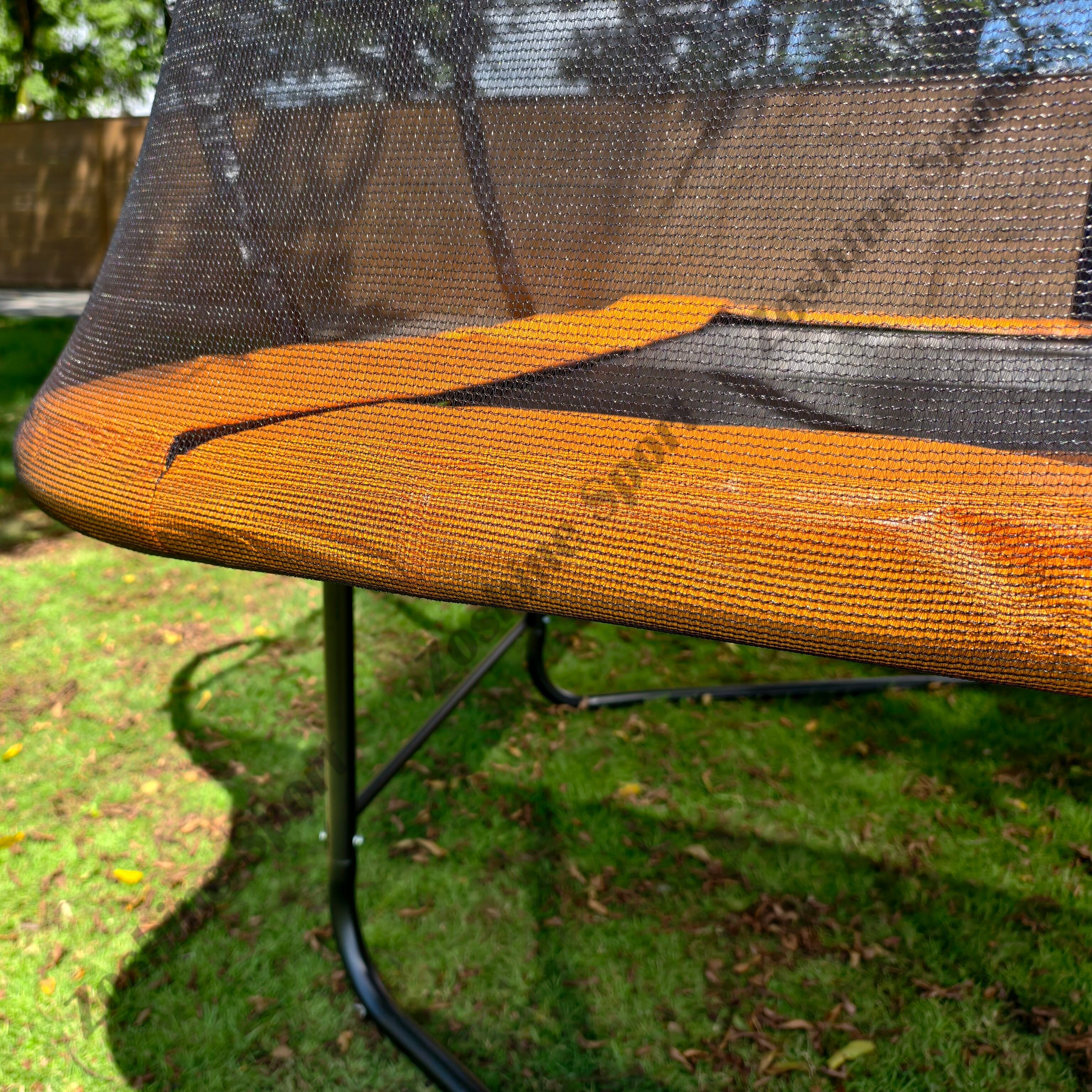
In the competitive landscape of recreational equipment manufacturing, establishing trust and ensuring product safety stands as the cornerstone of successful business operations. China's leading round trampoline manufacturer has revolutionized the industry through comprehensive safety protocols, advanced manufacturing techniques, and stringent quality assurance measures that exceed international standards. These manufacturers understand that families worldwide depend on their products for safe outdoor entertainment, making safety their paramount concern throughout every stage of production.
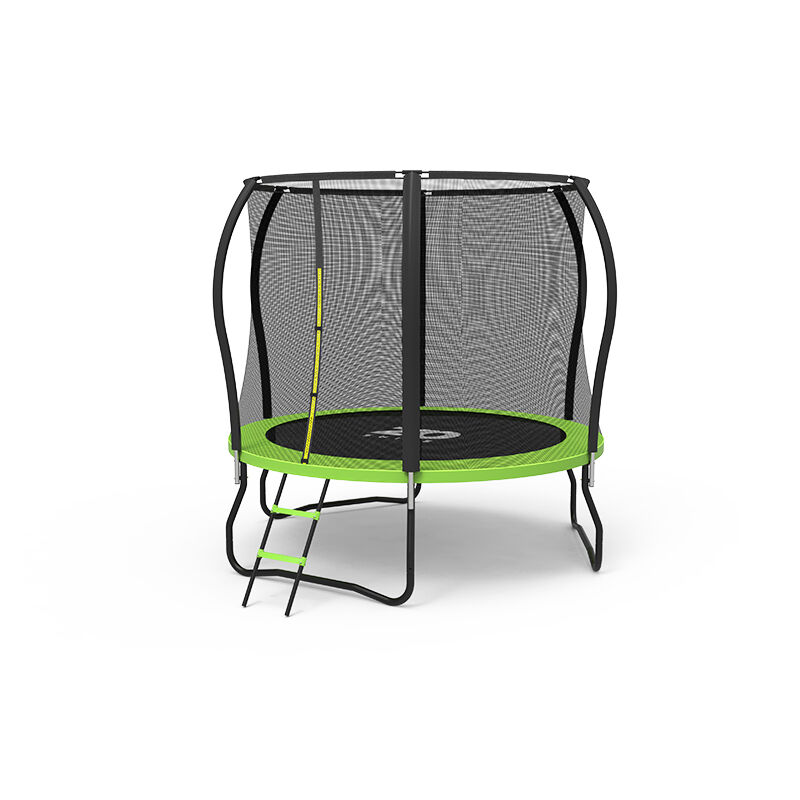
The reputation of a round trampoline manufacturer hinges on their ability to consistently deliver products that meet rigorous safety benchmarks while maintaining cost-effectiveness and durability. Through decades of refinement and innovation, these manufacturers have developed systematic approaches that address every potential safety concern, from material selection to final product testing. This comprehensive methodology ensures that each trampoline leaving their facilities represents the highest standards of manufacturing excellence and user protection.
Advanced Material Selection and Quality Control
Premium Steel Framework Engineering
The foundation of any safe trampoline begins with its structural framework, and leading manufacturers prioritize high-grade galvanized steel tubing that undergoes extensive testing for tensile strength and corrosion resistance. Every steel component is subjected to rigorous stress analysis to ensure it can withstand dynamic loads far exceeding normal usage patterns. The galvanization process receives particular attention, as manufacturers employ multi-layer coating techniques that provide superior protection against environmental elements while maintaining structural integrity over extended periods.
Quality control specialists monitor the steel fabrication process continuously, implementing automated inspection systems that detect microscopic flaws or inconsistencies that could compromise long-term safety. The manufacturing teams utilize precision welding techniques and computerized cutting systems to ensure uniform dimensions and perfect joint integrity throughout the frame assembly. Each batch of steel materials undergoes chemical composition analysis and mechanical property testing before approval for production use.
Superior Jumping Mat Technology
The jumping surface represents perhaps the most critical safety component of any trampoline, requiring specialized materials that balance flexibility, durability, and weather resistance. Leading round trampoline manufacturer facilities utilize UV-resistant polypropylene mesh that maintains its elasticity and strength characteristics even after prolonged exposure to extreme weather conditions. The weaving patterns are engineered using computer-aided design systems that optimize bounce characteristics while preventing excessive stress concentration at any single point.
Manufacturers implement multi-stage testing protocols for jumping mats, including cyclic loading tests that simulate years of normal usage within compressed timeframes. These tests reveal potential failure modes and allow engineers to refine the material specifications and construction techniques continuously. The edge reinforcement receives special attention, with heavy-duty binding materials and multiple-pass stitching patterns that distribute stress evenly around the mat perimeter.
Comprehensive Safety System Integration
Protective Enclosure Design and Implementation
Safety enclosures have become standard features for responsible round trampoline manufacturer operations, representing a critical barrier that prevents users from accidentally leaving the jumping area during use. The enclosure systems undergo extensive engineering analysis to optimize height, material strength, and attachment methods that ensure reliable performance under various loading conditions. Modern enclosure designs incorporate curved entry systems and self-closing mechanisms that enhance user convenience while maintaining safety integrity.
The mesh materials used in safety enclosures require specialized properties that provide visibility, weather resistance, and impact absorption capabilities. Manufacturers utilize high-density polyethylene mesh with reinforced borders and multiple attachment points that distribute loads evenly across the supporting framework. Each enclosure system undergoes impact testing that simulates various accident scenarios, ensuring the protective barrier can effectively contain users while minimizing injury potential.
Advanced Spring and Fastening Systems
The spring assembly represents a complex engineering challenge that balances user enjoyment with safety requirements, demanding precise calculations of spring rates, attachment methods, and fatigue resistance characteristics. Leading manufacturers employ computer modeling software to optimize spring geometry and material properties that provide consistent performance throughout the product lifecycle. The spring count and positioning undergo careful analysis to ensure even load distribution and prevent excessive stress concentrations that could lead to premature failure.
Fastening systems receive equal attention, with manufacturers developing proprietary hardware designs that resist loosening under dynamic loading while remaining accessible for routine maintenance. The attachment points undergo extensive fatigue testing that simulates millions of loading cycles, revealing potential failure modes and allowing continuous improvement of the fastening designs. Corrosion-resistant coatings and materials ensure that fastening systems maintain their integrity even in harsh outdoor environments.
Manufacturing Process Excellence and Quality Assurance
Automated Production Line Integration
Modern round trampoline manufacturer facilities incorporate sophisticated automation systems that eliminate human error while ensuring consistent quality across all production batches. Robotic welding systems provide precise heat input control and perfect joint geometry that human operators cannot consistently achieve. Computer-controlled cutting equipment ensures dimensional accuracy that meets tight tolerances required for proper assembly and optimal safety performance.
The integration of automated inspection systems throughout the production line enables real-time quality monitoring and immediate correction of any deviations from established specifications. Machine vision systems examine weld quality, dimensional accuracy, and surface finish characteristics at multiple checkpoints, automatically rejecting any components that fail to meet predetermined criteria. This systematic approach eliminates defective products before they progress to subsequent manufacturing stages, reducing waste while maintaining exceptional quality standards.
Comprehensive Testing and Validation Protocols
Every trampoline produced by leading manufacturers undergoes extensive testing that exceeds international safety standards and regulatory requirements. The testing protocols include static load tests, dynamic bounce simulation, weather resistance evaluation, and long-term durability assessment that reveals potential issues before products reach consumers. Specialized testing equipment replicates years of normal usage within compressed timeframes, providing valuable data about component performance and identifying opportunities for design improvements.
Quality assurance teams maintain detailed documentation of all testing procedures and results, creating comprehensive quality records that support continuous improvement initiatives and regulatory compliance requirements. The testing data undergoes statistical analysis that identifies trends and patterns that might indicate emerging quality concerns or opportunities for product enhancement. This data-driven approach enables manufacturers to maintain consistently high safety standards while continuously improving their products.
International Safety Standards Compliance
Global Certification and Regulatory Adherence
Leading round trampoline manufacturer operations maintain certifications from multiple international safety organizations, demonstrating their commitment to meeting the highest global standards for product safety and performance. These certifications require regular audits and continuous compliance monitoring that ensures manufacturing processes and product designs consistently meet or exceed established requirements. The certification processes involve independent testing laboratories that validate safety performance through rigorous evaluation protocols.
Regulatory compliance extends beyond basic safety requirements to include environmental standards, worker safety protocols, and sustainable manufacturing practices that reflect corporate responsibility commitments. Manufacturers invest significantly in regulatory expertise and compliance monitoring systems that track changes in international standards and ensure rapid adaptation to new requirements. This proactive approach to compliance demonstrates industry leadership while providing customers with confidence in product safety and reliability.
Continuous Improvement and Innovation Integration
The commitment to safety excellence drives continuous research and development efforts that explore new materials, manufacturing techniques, and design innovations that enhance product safety performance. Round trampoline manufacturer research teams collaborate with universities, material suppliers, and safety organizations to develop breakthrough technologies that advance industry standards. These collaborative efforts often result in proprietary innovations that provide competitive advantages while improving user safety.
Innovation initiatives focus on addressing emerging safety concerns, incorporating user feedback, and anticipating future regulatory requirements that may affect product design and manufacturing processes. The integration of new technologies undergoes extensive validation testing that ensures compatibility with existing safety systems while providing enhanced performance characteristics. This forward-thinking approach positions leading manufacturers as industry innovators while maintaining their commitment to exceptional safety standards.
Supply Chain Management and Vendor Qualification
Strategic Supplier Partnership Development
The safety performance of any trampoline depends heavily on the quality of components and materials supplied by external vendors, making supplier qualification and management critical elements of comprehensive safety assurance programs. Leading round trampoline manufacturer operations implement extensive supplier evaluation processes that assess technical capabilities, quality systems, and safety commitment before establishing supply relationships. These evaluation processes include facility audits, quality system assessments, and sample testing that validates supplier capabilities.
Long-term supplier partnerships enable collaborative development of specialized components that meet exact specifications while maintaining cost-effectiveness and delivery reliability. Suppliers undergo regular performance reviews and continuous improvement initiatives that enhance their capabilities while ensuring consistent quality delivery. The supplier management programs include risk assessment and contingency planning that ensures supply continuity even during challenging market conditions.
Incoming Material Inspection and Validation
Despite comprehensive supplier qualification programs, leading manufacturers implement extensive incoming material inspection protocols that verify quality and specifications before materials enter production processes. Advanced testing equipment and trained inspection personnel evaluate critical characteristics such as material composition, dimensional accuracy, and performance properties that affect final product safety. Statistical sampling techniques ensure representative evaluation while maintaining production efficiency.
The inspection data undergoes continuous analysis that identifies supplier performance trends and opportunities for collaborative improvement initiatives. Any materials failing to meet established criteria are immediately quarantined and subjected to detailed investigation that determines root causes and prevents recurrence. This systematic approach to material control ensures that only acceptable components are incorporated into finished products, maintaining consistent safety performance across all production volumes.
Customer Support and Safety Education
Comprehensive Installation and Maintenance Guidance
Even the highest quality trampoline requires proper installation and maintenance to ensure optimal safety performance throughout its service life. Leading round trampoline manufacturer organizations provide detailed installation instructions, maintenance schedules, and safety guidelines that help customers maximize product safety and longevity. These resources include video tutorials, illustrated guides, and technical support services that address common installation challenges and maintenance requirements.
Customer support teams receive extensive training in product safety features, proper usage guidelines, and troubleshooting techniques that enable them to provide expert assistance for any customer concerns. The support services include proactive outreach programs that remind customers of maintenance requirements and provide updates on safety best practices. This comprehensive approach to customer support demonstrates manufacturer commitment to safety excellence throughout the product lifecycle.
Ongoing Safety Communication and Updates
Safety excellence requires continuous communication with customers about proper usage techniques, maintenance requirements, and any safety updates that may affect product performance. Manufacturers maintain comprehensive customer databases that enable targeted communication about safety updates, recall notices, or enhanced maintenance recommendations. The communication programs utilize multiple channels including email, social media, and manufacturer websites to ensure broad reach and effective message delivery.
Product registration programs encourage customers to provide contact information and usage feedback that supports ongoing safety monitoring and improvement initiatives. The feedback data provides valuable insights into real-world usage patterns and potential safety concerns that may not be apparent during laboratory testing. This customer-centric approach to safety management ensures that manufacturers remain responsive to emerging safety needs while maintaining their commitment to user protection.
FAQ
What certifications should I look for when choosing a round trampoline manufacturer?
Look for manufacturers that maintain certifications from recognized international safety organizations such as ASTM International, CE marking for European compliance, and CPSC standards for consumer product safety. These certifications indicate that the manufacturer has undergone independent testing and evaluation of their safety systems and manufacturing processes. Additionally, verify that the manufacturer maintains ISO quality management certifications that demonstrate systematic approaches to quality control and continuous improvement.
How often should trampolines undergo safety inspections and maintenance?
Leading round trampoline manufacturer recommendations typically suggest monthly visual inspections during active use periods, with more detailed examinations at the beginning and end of each usage season. Key inspection points include frame integrity, spring condition, mat wear patterns, and safety enclosure attachment security. Any signs of wear, damage, or component loosening should be addressed immediately to maintain safety performance, and replacement parts should only be obtained from the original manufacturer to ensure compatibility and safety compliance.
What are the most important safety features to consider when selecting a trampoline?
Essential safety features include a complete safety enclosure system with self-closing entry, adequate spring padding that covers all exposed hardware, weather-resistant materials that maintain their properties over time, and a frame design that provides stability under dynamic loading conditions. The jumping mat should feature reinforced edges and UV-resistant materials, while the spring system should provide even bounce characteristics without excessive rebound force. Additionally, ensure the manufacturer provides comprehensive safety guidelines and installation instructions.
How do leading manufacturers ensure consistent quality across different production batches?
Top-tier round trampoline manufacturer operations implement comprehensive quality management systems that include automated inspection equipment, statistical process control, and rigorous testing protocols for every production batch. They maintain detailed quality records that track material sources, production parameters, and testing results, enabling rapid identification and correction of any quality variations. Additionally, these manufacturers employ trained quality assurance personnel who monitor production processes continuously and ensure compliance with established specifications and safety standards.
Table of Contents
- Advanced Material Selection and Quality Control
- Comprehensive Safety System Integration
- Manufacturing Process Excellence and Quality Assurance
- International Safety Standards Compliance
- Supply Chain Management and Vendor Qualification
- Customer Support and Safety Education
-
FAQ
- What certifications should I look for when choosing a round trampoline manufacturer?
- How often should trampolines undergo safety inspections and maintenance?
- What are the most important safety features to consider when selecting a trampoline?
- How do leading manufacturers ensure consistent quality across different production batches?