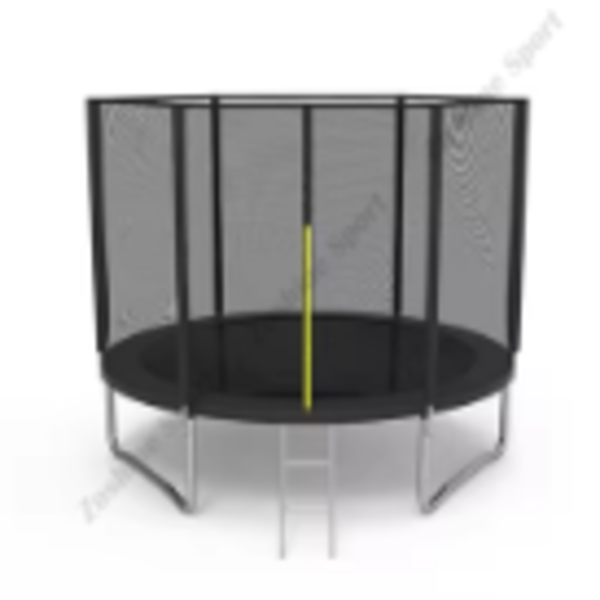
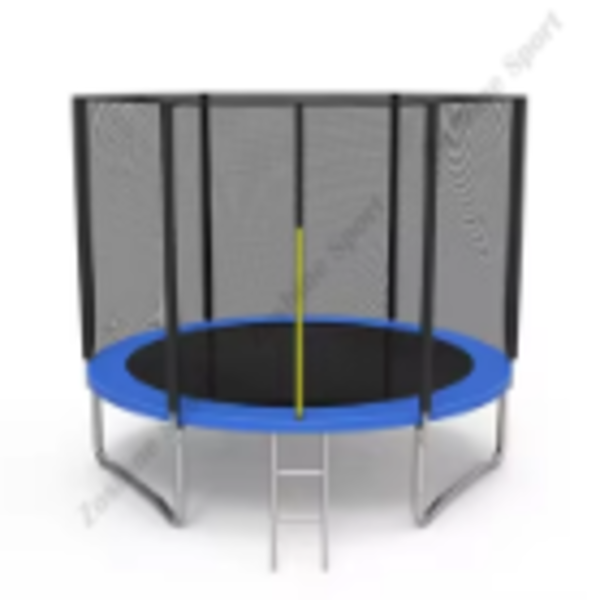
adult rebounder trampoline
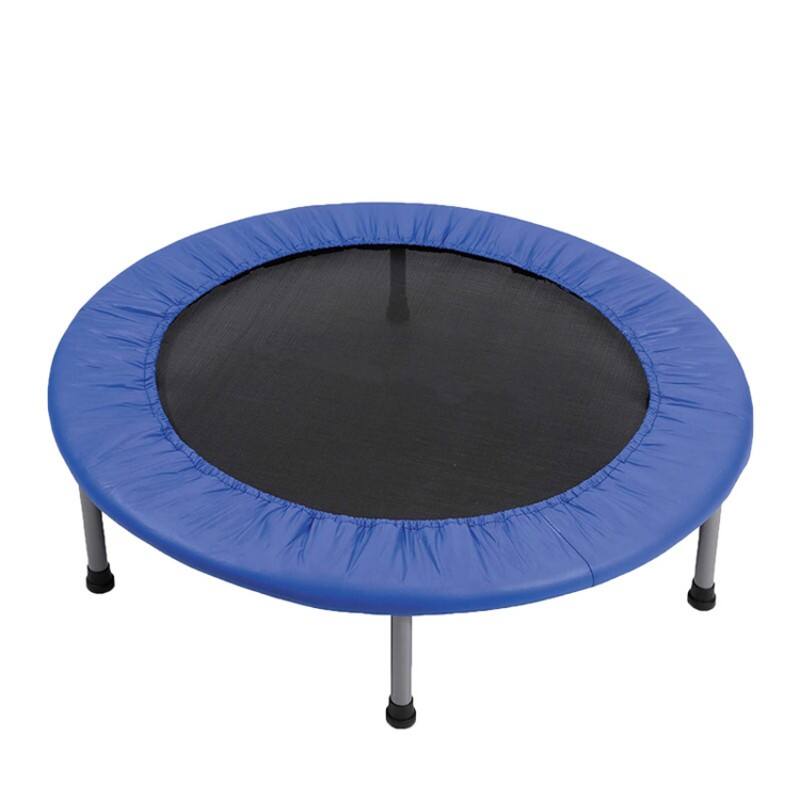
The adult rebounder trampoline represents a revolutionary approach to fitness equipment, designed specifically for mature users seeking low-impact cardiovascular exercise and strength training. This specialized fitness device combines the traditional bouncing motion of trampolines with advanced engineering features that prioritize safety, durability, and therapeutic benefits. Unlike recreational trampolines, the adult rebounder trampoline features a compact design typically ranging from 36 to 48 inches in diameter, making it suitable for indoor use in homes, gyms, and rehabilitation centers. The primary function of an adult rebounder trampoline centers around providing a versatile platform for aerobic exercise that significantly reduces joint stress compared to traditional running or jumping activities. The rebounding motion engages multiple muscle groups simultaneously while promoting lymphatic drainage, improving balance, and enhancing cardiovascular health. Technological features include premium-grade springs or bungee cord systems that provide consistent bounce response, adjustable tension mechanisms for customized resistance levels, and non-slip surfaces that ensure user safety during vigorous workouts. Many models incorporate foldable designs with quick-release mechanisms, allowing for convenient storage and portability. Advanced versions feature digital displays that monitor workout metrics such as bounce count, calories burned, and exercise duration. The frame construction typically utilizes high-grade steel with powder-coated finishes to prevent rust and corrosion, while the jumping surface employs commercial-grade polypropylene or similar materials that resist UV damage and maintain elasticity over extended use periods. Applications for the adult rebounder trampoline span across various fitness disciplines including cardio training, physical therapy, balance improvement, and strength conditioning. Fitness enthusiasts utilize these devices for high-intensity interval training, dance fitness routines, and general cardiovascular conditioning. Physical therapists incorporate rebounding exercises for patients recovering from injuries, elderly individuals working to improve stability, and athletes seeking cross-training opportunities that minimize impact-related stress on joints and connective tissues.

 EN
EN