
 EN
EN
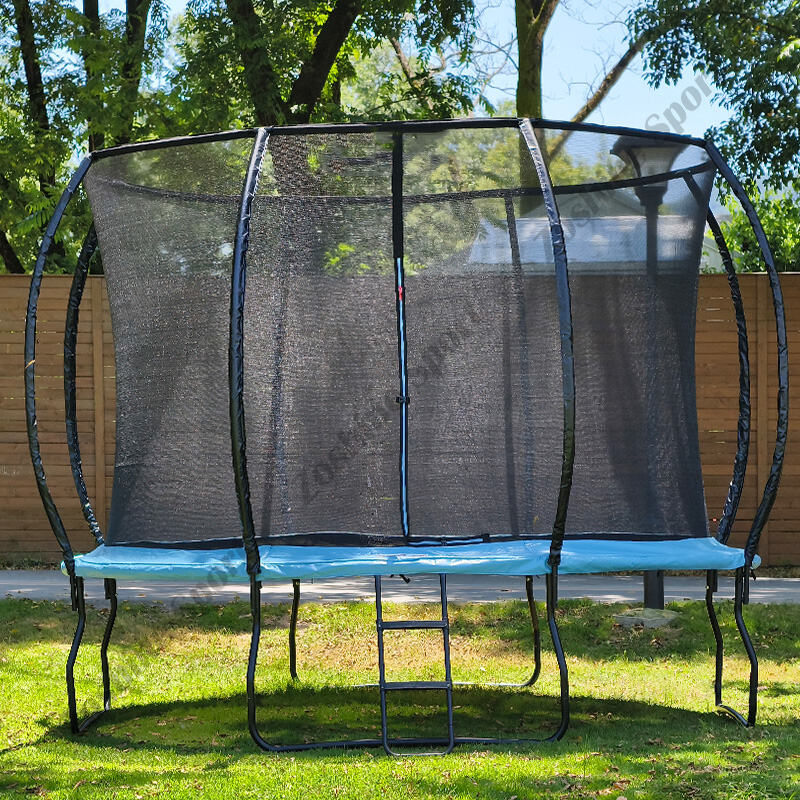
When investing in outdoor recreational equipment for your family, safety should be your paramount concern, especially when purchasing a round trampoline. Unlike rectangular models, round trampolines offer unique safety advantages through their circular design, which naturally guides jumpers toward the center bounce zone. However, not all round trampolines are created equal, and understanding which safety features to prioritize can mean the difference between years of safe enjoyment and potential accidents. Modern round trampoline designs incorporate multiple layers of protection, from reinforced frames to advanced enclosure systems, making them significantly safer than older models.
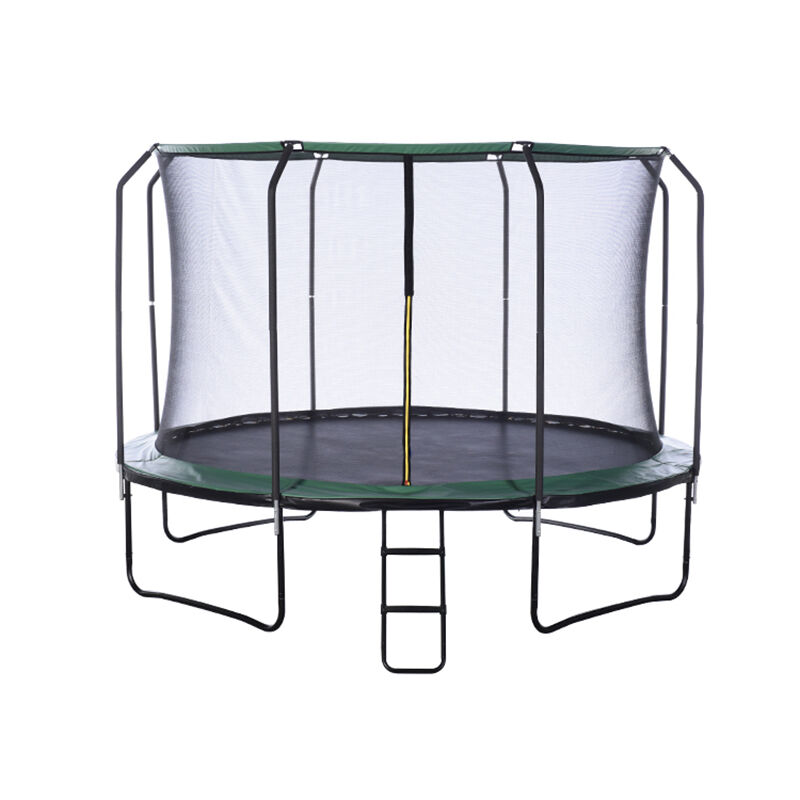
Essential Frame Construction and Materials
Galvanized Steel Framework Standards
The foundation of any safe round trampoline lies in its frame construction, which must withstand constant stress from bouncing forces and weather exposure. Premium manufacturers utilize heavy-gauge galvanized steel tubing that resists rust and corrosion for years of outdoor use. The frame diameter and thickness directly impact the trampoline's stability and weight capacity. Look for frames with welded joints rather than bolt-together connections, as welded construction provides superior strength and eliminates potential failure points that could compromise safety during use.
Quality round trampoline frames feature reinforcement at critical stress points, particularly where the legs connect to the main frame ring. The galvanization process should be applied both inside and outside the steel tubing to prevent internal corrosion that could weaken the structure over time. When evaluating frame quality, consider the manufacturer's weight capacity specifications, as this reflects the engineering standards and material quality used in construction.
Leg Configuration and Stability Features
The leg design of a round trampoline significantly affects its stability and safety performance during use. W-shaped legs provide superior stability compared to straight vertical supports by distributing weight more effectively across a wider base. The number of legs varies by size, but larger round trampolines typically require six to eight legs for optimal stability. Each leg should feature secure ground anchoring points or stabilizer feet that prevent sliding or tipping during vigorous bouncing sessions.
Wind resistance is another crucial consideration in leg design, as round trampolines present a large surface area that can catch wind gusts. Quality manufacturers include ground anchor systems or sandbag attachment points to secure the trampoline during windy conditions. The connection points between legs and frame should utilize heavy-duty hardware with locking mechanisms to prevent loosening over time.
Safety Enclosure Net Systems
Net Height and Coverage Specifications
A properly designed safety enclosure net transforms a round trampoline from a potential hazard into a secure play environment. The net height should extend well above the highest expected bounce level, typically ranging from six to eight feet depending on the trampoline size. Full enclosure coverage is essential, meaning the net should completely surround the jumping surface without gaps that could allow users to fall through. The netting material itself should be UV-resistant to prevent degradation from sun exposure while maintaining visibility for supervision.
Modern round trampoline enclosure systems feature curved pole designs that follow the natural bounce pattern, keeping the net walls away from the jumping area. This prevents users from colliding with the poles during normal bouncing activities. The net should attach both at the top and bottom, creating a secure barrier that flexes with impact while maintaining its protective function. Quality enclosure systems include reinforced stress points at pole connections and entry points.
Entry and Exit Safety Mechanisms
The entry system of a round trampoline enclosure requires careful engineering to balance accessibility with security. Dual-zipper entry systems provide the most reliable closure mechanism, with overlapping flaps that prevent accidental opening during use. The entry should be positioned away from the primary bounce zone to reduce the likelihood of users accidentally hitting the opening mechanism. Self-closing entry systems add an extra layer of safety by automatically securing the enclosure when users enter or exit.
Some advanced round trampoline models include magnetic closure systems that provide secure sealing while remaining easy to operate for children and adults. The entry area should be clearly marked and positioned at a height that requires deliberate action to open, preventing accidental exits during bouncing activities.
Spring Safety and Padding Systems
Spring Configuration and Quality Standards
The spring system of a round trampoline directly affects both bounce quality and safety performance. High-quality springs are manufactured from galvanized steel wire with consistent coil spacing and appropriate tension ratings. The number of springs varies with trampoline size, but proper distribution around the circular frame ensures even bounce characteristics and reduces stress concentration on individual components. Longer springs generally provide a softer, more controlled bounce that is safer for users of all ages.
Spring attachment points require robust construction to handle repeated stress cycles without failure. V-ring attachments or reinforced eyelets at spring connection points distribute loads more effectively than simple hooks. The spring design should include safety features such as enclosed coils that prevent clothing or fingers from getting caught during use. Regular inspection and maintenance of springs is essential for maintaining optimal safety performance throughout the round trampoline's lifespan.
Protective Padding Coverage
Comprehensive padding coverage is absolutely critical for round trampoline safety, as it protects users from contact with springs, frame edges, and other hard surfaces. The padding should completely cover all springs and frame components within reach of jumping users. High-density foam padding provides the best protection, with vinyl or PVC coverings that resist weather damage and maintain their protective properties over time. The padding thickness should be sufficient to compress under impact while still providing adequate protection.
Quality round trampoline padding systems feature secure attachment mechanisms that prevent shifting or removal during use. Elastic straps, snap fasteners, or tie-down systems should hold padding firmly in place while allowing for seasonal removal if needed. The padding should extend beyond the spring area to provide protection from the frame itself. Some manufacturers include reinforcement patches at high-wear areas to extend padding lifespan and maintain consistent protection levels.
Weight Capacity and User Guidelines
Maximum Load Specifications
Understanding and respecting weight capacity limitations is fundamental to round trampoline safety. Manufacturers establish weight limits based on comprehensive testing of frame strength, spring capacity, and jumping surface integrity. These specifications typically include both maximum single-user weight and total simultaneous user weight. Exceeding these limits can result in component failure, reduced bounce performance, and increased injury risk. Quality round trampolines clearly display weight capacity information and usage guidelines.
The relationship between trampoline size and weight capacity is not always linear, as smaller round trampolines may have proportionally higher weight limits due to their more compact design. When selecting a round trampoline, consider the current and future weight requirements of intended users. It's advisable to choose a model with weight capacity significantly above your immediate needs to accommodate multiple users safely and provide a margin of safety for dynamic loading during bouncing activities.
Age-Appropriate Usage Recommendations
Age-appropriate usage guidelines help ensure safe enjoyment of round trampolines across different developmental stages. Young children require constant adult supervision and may benefit from smaller round trampoline models designed specifically for their size and coordination level. The bounce characteristics of larger trampolines can be overwhelming for small children, potentially leading to loss of control and increased injury risk. Most manufacturers provide specific age recommendations based on trampoline size and design features.
Mixed-age usage requires careful consideration of size and strength differences between users. The natural bounce dynamics of a round trampoline can cause smaller users to bounce unpredictably when sharing the surface with larger individuals. Establishing clear usage rules, such as similar-sized users only and one-at-a-time jumping, significantly reduces collision risks and maintains optimal safety conditions for all participants.
Weather Resistance and Durability Features
UV Protection and Material Longevity
Long-term safety of a round trampoline depends heavily on its ability to withstand continuous outdoor exposure without degrading critical safety components. UV-resistant materials prevent premature aging of jumping surfaces, padding, and enclosure nets that could compromise protection over time. The jumping mat should feature UV-stabilized polypropylene or similar materials that maintain elasticity and strength despite constant sun exposure. Quality round trampolines include UV protection specifications in their material documentation.
Fade resistance is not merely an aesthetic concern, as color changes often indicate material degradation that affects performance and safety. Premium round trampoline manufacturers use solution-dyed materials where color is integrated throughout the material rather than applied as a surface coating. This approach provides superior fade resistance and indicates higher overall material quality that translates to better safety performance over the product's lifespan.
Seasonal Storage and Maintenance Requirements
Proper maintenance protocols are essential for preserving the safety features of any round trampoline throughout its operational life. Regular inspection schedules should include checking frame integrity, spring condition, padding security, and net attachment points. Seasonal considerations may require temporary disassembly or protection measures during extreme weather periods. The ease of disassembly and reassembly affects the likelihood that owners will properly maintain their equipment.
Winter storage recommendations vary by climate and round trampoline design, but generally include removing or securing loose components that could be damaged by snow loads or ice formation. Some manufacturers provide specific winter covers or storage accessories that protect the trampoline while allowing it to remain assembled. Understanding maintenance requirements before purchase helps ensure long-term safety performance and protects the investment in quality safety features.
Installation and Assembly Safety Considerations
Professional Installation Benefits
While many round trampolines are designed for consumer assembly, professional installation offers significant safety advantages that justify the additional cost. Experienced installers understand proper torque specifications, safety clearances, and site preparation requirements that may not be obvious to first-time assemblers. They can identify potential installation issues such as uneven ground, inadequate clearances, or site hazards that could affect long-term safety performance. Professional installation typically includes initial safety inspections and user orientation.
The complexity of modern round trampoline safety systems, particularly enclosure nets and spring assemblies, requires precise installation to function correctly. Improper assembly can negate the safety benefits of premium components and create new hazards. Professional installers carry insurance coverage for their work and often provide warranties on installation quality that protect homeowners from assembly-related issues.
Site Preparation and Clearance Requirements
Proper site selection and preparation are fundamental to round trampoline safety, regardless of the quality of safety features built into the equipment. Level ground installation prevents uneven stress distribution that could lead to frame distortion or component failure over time. The clearance requirements extend well beyond the trampoline footprint, with recommendations for overhead clearance, horizontal clearance, and surface considerations around the installation area.
Ground surface preparation may include removing rocks, roots, or other objects that could damage the trampoline or create hazards during use. Some installations benefit from ground coverings such as bark mulch or safety mats that provide additional protection in case of falls outside the enclosure area. The relationship between site preparation quality and long-term safety performance makes this an investment that pays dividends throughout the round trampoline's operational life.
FAQ
What is the recommended minimum age for using a round trampoline safely
Most safety experts recommend that children should be at least 6 years old before using a full-size round trampoline, even with proper safety equipment and adult supervision. Younger children may use smaller, specialized trampolines designed for their age group. The key factors are the child's coordination development, ability to follow safety rules, and physical size relative to the trampoline's bounce characteristics. Always supervise young children and ensure they understand basic trampoline safety rules before allowing independent use.
How often should I inspect my round trampoline for safety issues
Conduct a thorough safety inspection of your round trampoline at least once monthly during active use periods, with additional checks after severe weather events. Key inspection points include frame connections, spring attachments, padding condition, net integrity, and overall stability. Look for signs of wear, corrosion, loose connections, or damage that could affect safety performance. Replace worn or damaged components immediately rather than attempting repairs that might compromise safety standards.
Can multiple children safely use a round trampoline simultaneously
While round trampolines are designed with safety features that accommodate multiple users better than rectangular models, the safest practice is one user at a time. When multiple children do use the trampoline together, they should be of similar size and weight to prevent dangerous collision scenarios. Establish clear rules about taking turns, avoiding collisions, and limiting the number of simultaneous users based on the trampoline's size and weight capacity specifications.
What weather conditions make round trampoline use unsafe
Never use a round trampoline during wet conditions, as moisture makes surfaces slippery and significantly increases injury risk. Wind speeds above 25 mph create dangerous conditions even with proper anchoring systems. Extreme temperatures can affect material properties, making components brittle in cold weather or overly soft in excessive heat. Lightning risk requires avoiding trampoline use during thunderstorms or when storms are approaching. Always prioritize safety over enjoyment when weather conditions are questionable.