
 EN
EN
When selecting a round trampoline manufacturer for your business, understanding their production scale and annual output capacity becomes crucial for ensuring reliable supply chain partnerships. The production scale of a round trampoline manufacturer directly impacts product quality consistency, order fulfillment reliability, and pricing competitiveness in the market. Businesses seeking to source trampolines must carefully evaluate whether a manufacturer's production capacity aligns with their specific volume requirements and growth projections.
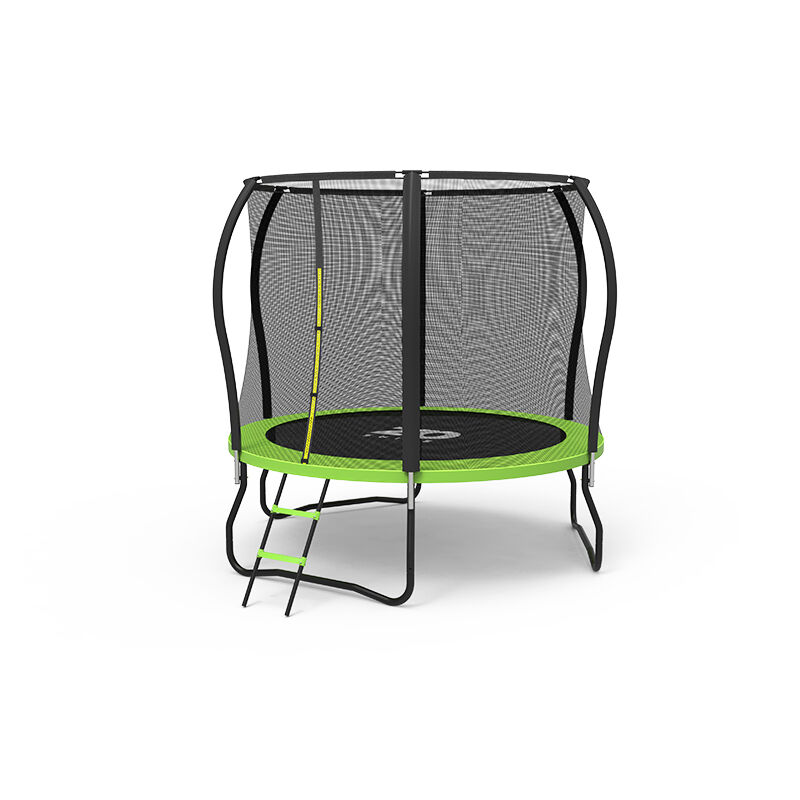
The annual output metrics of a round trampoline manufacturer reveal critical insights about their operational efficiency, quality control systems, and ability to handle fluctuating market demands. Production scale indicators include manufacturing facility size, workforce capacity, equipment sophistication, and supply chain integration capabilities. These factors collectively determine whether a manufacturer can sustain consistent product quality while meeting varying order volumes throughout different seasonal periods.
Essential Production Scale Indicators for Round Trampoline Manufacturing
Manufacturing Facility Infrastructure
A reliable round trampoline manufacturer typically operates from facilities spanning at least 10,000 to 50,000 square meters, depending on their target market coverage. Large-scale facilities enable proper workflow organization, adequate storage for raw materials, and sufficient space for quality control testing areas. The facility layout should accommodate different production stages, from frame welding and mat assembly to safety net installation and final packaging processes.
Modern round trampoline manufacturer facilities incorporate automated equipment alongside skilled manual assembly stations. The combination ensures both efficiency and attention to detail required for safety-critical components. Facility infrastructure also includes climate-controlled environments for material storage, preventing degradation of springs, padding materials, and synthetic fabrics used in trampoline construction.
Production floor organization reflects a manufacturer's operational maturity and quality commitment. Well-designed facilities feature separate zones for different trampoline sizes, specialized areas for safety testing, and dedicated spaces for packaging and shipping preparation. This systematic approach enables a round trampoline manufacturer to maintain consistent quality standards while scaling production volumes efficiently.
Workforce Capacity and Specialization
Professional round trampoline manufacturer operations employ between 100 to 500 skilled workers, depending on their production scale and market focus. The workforce structure should include specialized teams for frame fabrication, mat assembly, safety component installation, and quality inspection processes. Experienced manufacturers invest in continuous worker training programs to maintain consistent assembly standards and safety compliance.
Skilled technicians within a round trampoline manufacturer facility handle critical processes such as spring attachment, frame welding, and safety net installation. These specialized roles require specific expertise to ensure proper tension distribution, structural integrity, and compliance with international safety standards. The presence of dedicated quality control inspectors indicates a manufacturer's commitment to consistent product standards.
Seasonal workforce flexibility becomes essential for round trampoline manufacturer operations, as demand typically peaks during spring and summer months. Established manufacturers maintain core permanent staff while having protocols for scaling workforce capacity during high-demand periods. This approach ensures quality consistency while meeting varying market demands throughout the year.
Annual Output Capacity Benchmarks
Volume Production Thresholds
Established round trampoline manufacturer companies typically produce between 50,000 to 200,000 units annually, with larger operations potentially exceeding 500,000 units per year. These volume thresholds indicate sufficient scale to maintain competitive pricing while investing in quality improvement initiatives. Smaller manufacturers producing fewer than 20,000 units annually may face challenges in achieving cost competitiveness and maintaining consistent supply availability.
Production capacity varies significantly based on trampoline size mix, with larger round trampolines requiring more manufacturing time and resources compared to smaller models. A competent round trampoline manufacturer should demonstrate ability to produce various sizes efficiently, from 8-foot residential models to 15-foot premium versions. This versatility indicates sophisticated production planning and resource allocation capabilities.
Monthly production consistency serves as another important indicator of manufacturer reliability. Professional operations maintain steady output levels throughout the year, avoiding dramatic fluctuations that could indicate operational instability. A reliable round trampoline manufacturer should be able to produce at least 70% of their peak capacity during off-season periods.
Quality Control Integration at Scale
High-volume round trampoline manufacturer operations must integrate comprehensive quality control processes throughout their production workflow. This includes incoming material inspection, in-process quality checkpoints, and final product testing before shipping. The quality control system should be scaled appropriately to handle the manufacturer's annual output without creating bottlenecks.
Testing capabilities become particularly important for large-scale operations, as a round trampoline manufacturer must verify structural integrity, bounce performance, and safety compliance across thousands of units. Professional manufacturers typically maintain dedicated testing facilities with equipment for weight load testing, durability cycling, and safety standard verification processes.
Documentation systems within high-volume round trampoline manufacturer operations track production batches, material sources, and quality metrics throughout the manufacturing process. This traceability enables rapid response to any quality issues and demonstrates professional operational standards to potential business partners.
Supply Chain Integration and Raw Material Management
Material Sourcing Capabilities
A professional round trampoline manufacturer maintains established relationships with multiple suppliers for critical components including galvanized steel tubing, high-tensile springs, UV-resistant jumping mats, and safety padding materials. Supplier diversification reduces risk of production disruptions while enabling competitive material pricing through volume purchasing agreements.
Raw material inventory management reflects a manufacturer's operational sophistication and financial stability. Reliable operations typically maintain 30-60 days of material inventory to buffer against supply chain disruptions while avoiding excessive working capital requirements. This balance indicates mature operational planning and financial management capabilities.
Quality standards for incoming materials should be clearly defined and consistently enforced by a professional round trampoline manufacturer. This includes specifications for steel tube thickness, spring tensile strength, fabric durability ratings, and safety padding density requirements. Consistent material quality directly impacts final product performance and customer satisfaction levels.
Logistics and Distribution Network
Established round trampoline manufacturer operations develop efficient logistics networks to handle their annual output volumes. This includes strategic warehouse locations, established shipping partnerships, and packaging optimization to reduce transportation costs. Efficient logistics capabilities enable competitive pricing and reliable delivery schedules for customers.
International shipping experience becomes crucial for manufacturers serving global markets, as trampolines require specialized packaging and handling procedures. A competent round trampoline manufacturer should demonstrate experience with container loading optimization, international shipping documentation, and compliance with various country-specific import requirements.
Inventory management systems within professional operations track finished goods availability, production scheduling, and customer order fulfillment status. These systems enable accurate delivery commitments and efficient allocation of production capacity across different customer segments and geographic markets.
Technology Integration and Manufacturing Efficiency
Production Automation and Equipment
Modern round trampoline manufacturer facilities incorporate automated equipment for repetitive processes such as tube cutting, hole drilling, and spring attachment preparation. Automation improves consistency while reducing labor costs, enabling competitive pricing for high-volume orders. However, critical assembly processes still require skilled manual work to ensure proper fit and safety compliance.
CNC machining capabilities enable precise fabrication of metal components, ensuring consistent hole spacing for spring attachment and proper frame joint preparation. A professional round trampoline manufacturer invests in quality tooling and maintains equipment properly to achieve consistent dimensional accuracy across production volumes.
Welding automation for frame joints improves strength consistency while reducing production time per unit. Professional operations maintain both automated and manual welding capabilities to handle different production requirements efficiently. This flexibility enables a round trampoline manufacturer to optimize production costs while maintaining quality standards.
Quality Management Systems
ISO certification or equivalent quality management systems indicate a manufacturer's commitment to consistent processes and continuous improvement. A professional round trampoline manufacturer should maintain documented procedures for all critical processes, from material inspection through final product testing and shipping preparation.
Statistical process control methods enable manufacturers to monitor production quality metrics and identify trends before they impact customer satisfaction. These systems track key parameters such as frame strength, mat tension, and safety component performance across production batches.
Regular third-party quality audits demonstrate a round trampoline manufacturer's commitment to independent verification of their processes and capabilities. These audits typically evaluate production capacity, quality systems, and compliance with relevant safety standards and regulations.
Financial Stability and Business Continuity Indicators
Investment in Infrastructure and Equipment
Significant capital investment in manufacturing equipment, facility infrastructure, and quality control systems indicates a round trampoline manufacturer's long-term commitment to the business. This investment level typically ranges from several million dollars for mid-scale operations to tens of millions for large-scale manufacturers serving global markets.
Equipment maintenance and upgrade programs reflect operational maturity and commitment to consistent quality standards. Professional manufacturers maintain regular equipment servicing schedules, invest in technology upgrades, and replace aging equipment before it impacts production quality or efficiency.
Research and development investments enable a round trampoline manufacturer to improve product designs, develop new safety features, and optimize manufacturing processes. This ongoing investment indicates commitment to remaining competitive and responsive to evolving market requirements.
Market Presence and Customer Base
Established customer relationships across multiple market segments indicate a manufacturer's ability to meet diverse requirements and maintain consistent service levels. A reliable round trampoline manufacturer typically serves retail chains, specialty sporting goods distributors, and direct-to-consumer markets simultaneously.
Geographic market coverage reflects production scale and operational capabilities, as serving distant markets requires sophisticated logistics and customer service capabilities. Professional manufacturers typically serve multiple regions or countries, demonstrating their ability to handle complex distribution requirements.
Industry certifications and compliance with international safety standards indicate a manufacturer's commitment to professional operations and customer safety. These certifications require ongoing compliance audits and demonstrate the manufacturer's ability to maintain consistent quality standards across their production volumes.
FAQ
What annual production volume indicates a reliable round trampoline manufacturer?
A reliable round trampoline manufacturer typically produces at least 50,000 units annually, with established operations often exceeding 100,000 units per year. This volume threshold indicates sufficient scale to maintain competitive pricing, invest in quality control systems, and provide consistent supply availability throughout varying demand cycles.
How can I verify a manufacturer's actual production capacity?
Verify production capacity through facility visits, customer reference checks, and review of shipping records or production documentation. Request information about monthly production volumes, workforce size, equipment capacity, and peak season handling capabilities. Professional round trampoline manufacturer operations should provide transparent information about their production capabilities and limitations.
What production scale factors most impact product quality consistency?
Key factors include dedicated quality control personnel, standardized assembly procedures, automated equipment for critical processes, and sufficient production volume to justify investment in specialized tooling. A professional round trampoline manufacturer should demonstrate systematic approaches to quality management that scale appropriately with their production volumes.
How does production scale affect pricing and order fulfillment reliability?
Larger production scale enables better material purchasing terms, efficient use of specialized equipment, and lower per-unit overhead costs. This translates to more competitive pricing and improved ability to handle large orders or seasonal demand fluctuations. However, extremely large-scale operations may have minimum order requirements that don't suit smaller customers.