
 EN
EN
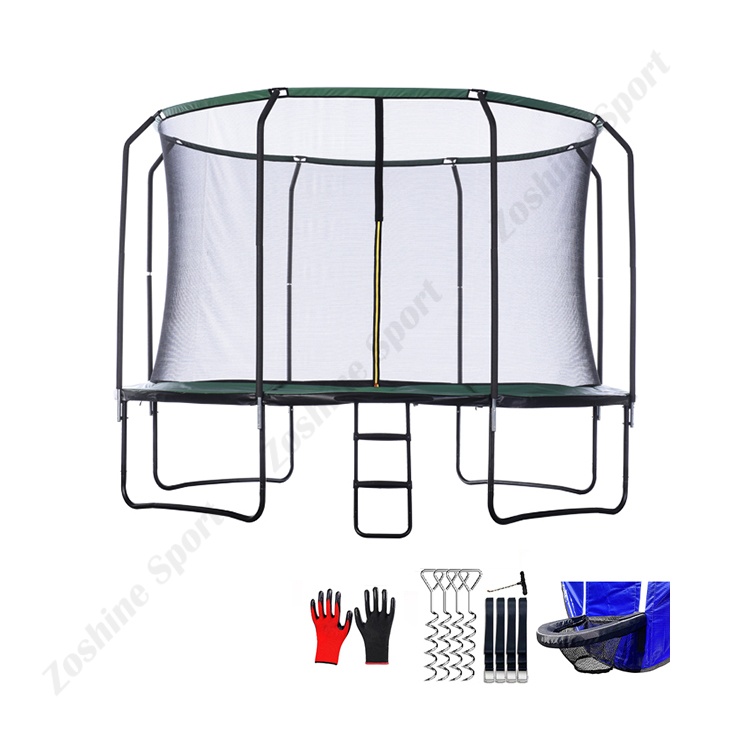
Selecting the right round trampolines for your business requires understanding multiple factors beyond basic price comparisons. Whether you operate a recreational facility, school, or entertainment venue, round trampolines represent a significant capital investment that impacts user safety, operational longevity, and customer satisfaction. This comprehensive buying guide explores the essential considerations for B2B procurement of round trampolines, helping decision-makers evaluate quality, durability, and value across different business scenarios.
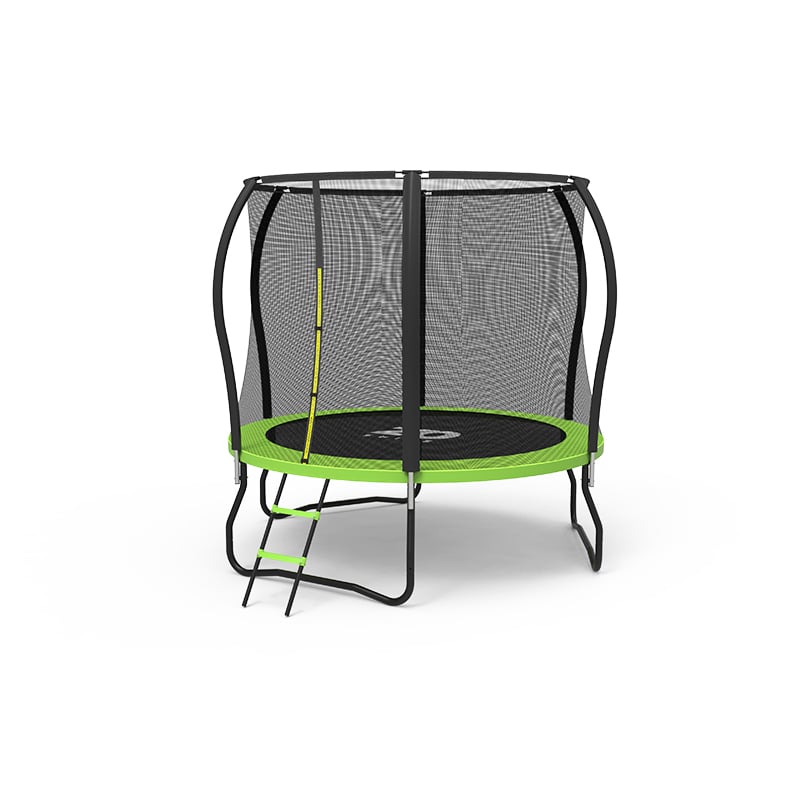
Round trampolines come in various sizes, frame configurations, and material specifications, each suited to different operational contexts and user demographics. Business buyers must evaluate specifications systematically, considering installation space, intended user age groups, expected usage frequency, and maintenance capacity. Understanding these distinctions prevents costly purchasing errors and ensures that round trampolines meet both immediate operational needs and long-term performance expectations within your facility.
Core Specifications and Size Selection for Round Trampolines
Determining Optimal Diameter and Frame Construction
The diameter of round trampolines ranges from 8 feet to 17 feet or larger, with each size category serving specific business applications. Smaller round trampolines work well for residential settings, daycare facilities, and limited outdoor spaces, while larger models support recreational centers, public parks, and commercial entertainment venues. Frame materials typically include galvanized steel, powder-coated steel, or aluminum alloys, with galvanized construction offering superior rust resistance and longevity in outdoor environments. Business buyers should prioritize frame thickness and welding quality as primary durability indicators, as these factors directly influence structural integrity under continuous heavy use.
Weight Capacity and Safety Rating Standards
Round trampolines for B2B applications must clearly specify weight capacity ratings and certification against safety standards such as ASTM F381 or equivalent international guidelines. These round trampolines should indicate maximum user weight limits, typically ranging from 200 pounds for smaller models to over 500 pounds for heavy-duty commercial units. Safety certifications demonstrate that round trampolines have undergone rigorous testing for frame stability, spring integrity, pad durability, and structural performance under stress conditions. Businesses should never compromise on certified safety ratings, as non-compliant round trampolines expose your facility to liability risks and potential user injuries that undermine operational viability.
Material Quality and Long-Term Durability Considerations
Spring Systems and Jumping Surface Materials
High-quality round trampolines utilize premium spring systems engineered for consistent bounce performance and extended lifespan under heavy usage. Industrial-grade round trampolines typically feature reinforced springs with corrosion-resistant coatings, designed to withstand thousands of bounce cycles without significant performance degradation. The jumping mat material requires careful evaluation; high-density polypropylene and UV-resistant vinyl composites provide superior weather resistance and durability compared to basic materials. Round trampolines with reinforced stitching, double-layered construction, and protective overlays on the mat edges demonstrate manufacturer commitment to durability, directly reducing replacement frequency and maintenance costs throughout your ownership cycle.
Protective Padding and Enclosure Systems
Comprehensive padding systems on round trampolines serve critical safety functions while signaling quality construction. Commercial-grade round trampolines feature multi-layer foam padding covering springs, frame edges, and mounting points, with vinyl covers that resist fading, cracking, and moisture absorption. Many modern round trampolines include full enclosure netting systems that prevent user falls while adding value to your facility's safety profile. Evaluate whether your round trampolines come with replaceable padding components, as this modular approach extends equipment lifespan and reduces eventual disposal costs when individual elements wear faster than the frame structure.
Installation, Maintenance, and Total Cost of Ownership
Assembly Requirements and Site Preparation
Round trampolines require proper installation on level ground with adequate clearance above and around the unit for safe jumping. Business buyers should assess whether site preparation involves ground leveling, concrete pads, or specialized anchoring systems appropriate for your facility type. Some round trampolines demand professional installation, adding service costs but ensuring proper assembly that maximizes structural integrity. Clarify installation responsibilities with suppliers; reputable round trampolines vendors typically provide detailed assembly documentation, instructional videos, or on-site installation support, reducing operational disruptions and setup errors that compromise performance or safety.
Maintenance Schedules and Spare Parts Availability
Strategic round trampolines procurement includes evaluating long-term spare parts availability and maintenance support from suppliers. High-quality round trampolines manufacturers maintain extensive parts catalogs, offering replacement springs, pads, mats, and structural components at reasonable costs. Develop maintenance protocols that include regular inspection of springs, padding integrity, frame connections, and structural welds, as early identification of wear patterns extends round trampolines operational lifespan significantly. Verify that round trampolines warranties cover structural defects, material failures, and provide clear terms regarding wear-and-tear coverage, liability limitations, and warranty transferability if your business changes ownership or relocates equipment.
Vendor Evaluation and Procurement Best Practices
Supplier Credentials and Reference Validation
When evaluating vendors offering round trampolines, request detailed credentials including manufacturing certifications, third-party safety testing results, and liability insurance documentation. Reputable round trampolines suppliers provide references from established facilities using their equipment in comparable applications, allowing you to verify satisfaction levels, longevity performance, and support responsiveness. Request detailed product specifications including technical drawings, material composition certifications, and performance test results; transparent vendors supply this information readily as standard practice. Round trampolines from credible manufacturers typically include warranty documentation, installation guides, maintenance manuals, and safety guidelines appropriate for commercial environments.
Pricing Evaluation and Value Assessment
Procurement decisions for round trampolines should consider total cost of ownership rather than purchase price alone, incorporating warranty duration, expected replacement intervals, maintenance expenses, and potential liability implications. Budget allocations should account for protective enclosures, ground preparation, installation labor, and initial spare parts inventory when calculating true acquisition costs. Compare round trampolines across multiple vendors using standardized evaluation criteria including specification matching, warranty comparison, reference feedback, and timeline alignment. Negotiation opportunities often exist with bulk purchases, multi-year arrangements, or bundled services; professional procurement approaches typically yield favorable terms while ensuring quality standards remain non-negotiable throughout vendor selection processes.
FAQ
What size round trampolines works best for recreational facilities?
Recreational facilities typically benefit from larger round trampolines ranging from 12 to 17 feet in diameter, accommodating multiple users and supporting diverse skill levels. These round trampolines provide sufficient jumping space while maintaining manageable maintenance requirements. Consider your facility's available space, expected daily usage volume, and user age demographics when selecting round trampolines dimensions, as appropriately sized equipment maximizes utilization while minimizing safety risks from overcrowding.
How do I verify safety certifications for round trampolines?
Legitimate round trampolines should include documentation referencing ASTM F381, EN standards, or equivalent safety certifications specific to your region. Request test reports from independent laboratories, verify certification validity through manufacturer websites, and cross-reference claims against recognized safety organizations. Reputable round trampolines vendors readily provide certification documentation; reluctance to share this information signals quality concerns and should prompt evaluation of alternative suppliers.
What warranty coverage should I expect when purchasing round trampolines?
Standard warranties for commercial-grade round trampolines typically cover structural defects for 3 to 10 years, depending on manufacturer and model specifications. Premium round trampolines often include extended coverage options for springs, pads, and jumping surfaces, though wear-and-tear items may carry shorter protection periods. Review warranty terms carefully regarding claim procedures, response times, replacement options, and coverage limitations before finalizing purchases.