
 EN
EN
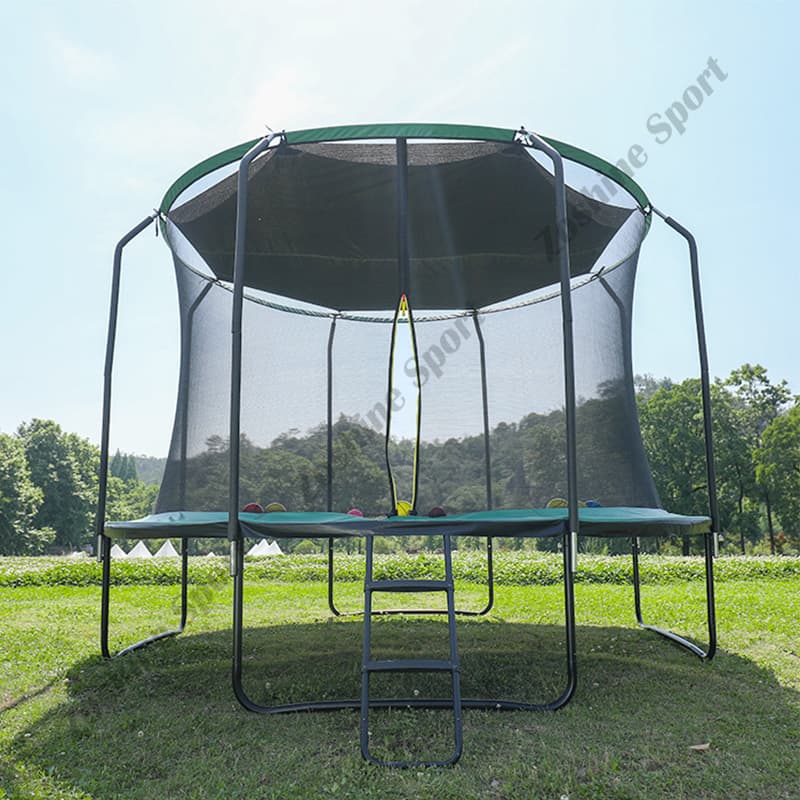
When you need to source quality climbing frames for a B2B project, whether for schools, daycare centers, fitness facilities, or recreation parks, the procurement process requires careful evaluation across multiple dimensions. Sourcing quality climbing frames involves understanding material standards, safety certifications, manufacturer reliability, and cost-effectiveness. This guide walks you through how to source quality climbing frames effectively, ensuring you select products that meet your operational needs and budget constraints.
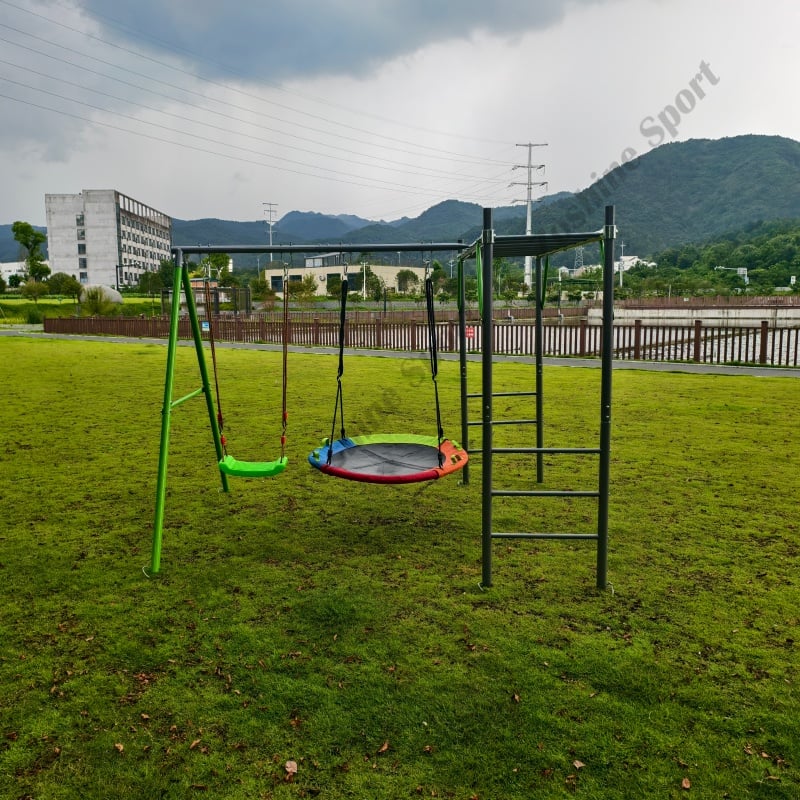
The quality of climbing frames directly impacts user safety, durability, and long-term value. When you source quality climbing frames from reputable suppliers, you reduce liability risks, minimize maintenance costs, and ensure customer satisfaction. Understanding how to source quality climbing frames requires knowledge of material composition, structural engineering, safety standards, and supplier track records.
Material Standards and Construction Quality
Steel versus Plastic Frame Options
When you source quality climbing frames, material selection is fundamental to durability and safety. Galvanized steel frames offer superior strength, weather resistance, and longevity compared to plastic alternatives. If you source quality climbing frames made from galvanized steel, you benefit from corrosion resistance that extends the product lifecycle significantly. Plastic frames are lighter and less costly initially, but galvanized steel provides better load-bearing capacity and withstands outdoor conditions more effectively. Steel frames typically support heavier usage and remain structurally sound across temperature variations.
Welding and Joint Integrity
The structural integrity of climbing frames depends heavily on welding quality. When you source quality climbing frames, examine weld consistency, bead uniformity, and penetration depth. High-quality welds minimize crack propagation risk and ensure joints remain secure under repeated stress. Many manufacturers use automated welding processes to maintain consistency, which is crucial when you source quality climbing frames for commercial applications. Manual inspection of sample welds from potential suppliers helps verify craftsmanship standards before committing to bulk orders.
Safety Certifications and Compliance Requirements
International Safety Standards
When you source quality climbing frames, compliance with safety standards is non-negotiable. Look for climbing frames that meet ISO 1176 (playground safety specifications) or EN standards specific to playground equipment. ASTM F1487 standards address playground equipment safety in North America. If you source quality climbing frames certified under these standards, you gain documented evidence of safety testing and risk mitigation. Certification bodies conduct rigorous load testing, fall surface compatibility checks, and entrapment hazard assessments. Reputable manufacturers provide third-party certification documentation that validates compliance claims.
Load Testing and Structural Verification
Before you source quality climbing frames for large-scale deployment, request load testing reports from suppliers. Static and dynamic load testing confirms that frames support design specifications under real-world conditions. Quality manufacturers conduct load testing significantly above expected usage loads to establish safety margins. When you source quality climbing frames, ask suppliers for documentation showing test procedures, load magnitudes, and pass/fail criteria. This verification protects your organization from structural failures that could result in injuries and liability exposure.
Supplier Evaluation and Procurement Strategy
Manufacturer Track Record and References
When you source quality climbing frames, researching the manufacturer's history is essential. Established manufacturers with verified customer references demonstrate reliability and accountability. Request case studies or contact information for organizations that have purchased similar climbing frames previously. Quality suppliers are willing to provide references and allow site visits to inspect installed equipment. If you source quality climbing frames from manufacturers with strong track records, you reduce project risk and increase confidence in product performance. Check whether the supplier has experience with projects similar in scale to yours.
Supply Chain Transparency and Quality Assurance
Reputable suppliers maintain transparent supply chains and implement rigorous quality assurance protocols. When you source quality climbing frames, confirm that the manufacturer uses controlled sourcing for raw materials and components. Quality assurance processes should include material testing, in-process inspections, and final product verification. Suppliers who can articulate their QA procedures demonstrate commitment to consistency. If you source quality climbing frames from suppliers with documented QA systems, you gain predictability regarding product specifications and durability. Ask about inspection frequency, defect rate targets, and corrective action processes.
Cost Analysis and Value Optimization
Total Cost of Ownership Considerations
When you source quality climbing frames, the purchase price is only one component of total cost. Consider maintenance requirements, expected lifespan, replacement frequency, and repair availability. Quality frames require less frequent maintenance and replacement, reducing long-term expenses significantly. If you source quality climbing frames constructed from durable materials with weather resistance, you minimize annual maintenance budgets. Calculate the cost per year of use rather than focusing solely on upfront acquisition costs. High-quality frames offer better value over their operational lifespan despite potentially higher initial prices.
Bulk Purchasing and Volume Discounts
When you source quality climbing frames in large quantities, negotiate volume discounts while maintaining specification requirements. Many manufacturers offer tiered pricing for bulk orders without compromising quality standards. If you source quality climbing frames as part of a multi-location rollout, consolidate purchasing to achieve better economics. Request detailed quotes that itemize components, shipping, and assembly costs separately. Bulk purchasing also enables customization options, where you source quality climbing frames tailored to specific site conditions or safety requirements.
Installation and Post-Purchase Support
Assembly and Site Preparation
Quality suppliers provide comprehensive installation support and documentation. When you source quality climbing frames, confirm that assembly instructions are clear and that technical support is available during installation. Some suppliers offer professional installation services, which reduces deployment risk and accelerates time-to-use. Verify that the manufacturer provides drawings showing foundation requirements, fall zone specifications, and spacing clearances. If you source quality climbing frames with professional installation support, you ensure proper setup that maximizes safety and product longevity.
Warranty and Service Terms
When you source quality climbing frames, review warranty coverage and after-sales support terms carefully. Quality manufacturers typically offer extended warranties covering structural defects and material failures. Confirm whether warranty terms include replacement parts availability, technical troubleshooting, and field repair capabilities. If you source quality climbing frames with robust warranty programs, you protect against unexpected costs from defects. Clarify warranty claim procedures, response times, and coverage limitations before finalizing the purchase agreement.
FAQ
What safety certifications should climbing frames have?
When you source quality climbing frames, look for ISO 1176, EN standards, or ASTM F1487 certifications. These standards ensure that products have undergone rigorous testing for structural integrity, fall hazard mitigation, and entrapment risk prevention. Third-party certification from accredited testing laboratories provides independent verification of compliance. Verify that certificates are current and specifically reference your intended frame model.
How can I verify that a supplier provides quality climbing frames?
Request documentation including load testing reports, quality assurance procedures, material certifications, and customer references. When you source quality climbing frames, site visits to previous installations help you assess durability and performance firsthand. Examine the manufacturer's facility standards, equipment, and quality control processes. Ask about defect rates, warranty claims history, and corrective actions taken for identified issues.
What is the typical lifespan of quality commercial climbing frames?
When you source quality climbing frames made from galvanized steel with proper maintenance, they typically last 10–15 years in outdoor commercial environments. Lifespan depends on climate exposure, usage frequency, maintenance protocols, and material quality. Quality frames from reputable manufacturers often include performance guarantees reflecting expected durability. Annual inspections and preventive maintenance significantly extend the operational lifespan of climbing frames in heavy-use settings.