
 EN

For fitness equipment distributors, rebounder trampoline wholesale is not simply a matter of securing a low unit price. It means matching a compact fitness product to customer needs while checking construction, packaging, shipping economics, and after-sales expectations. This guide explains what to assess before adding a rebounder trampoline to a catalog and how to build a dependable wholesale offer around it.
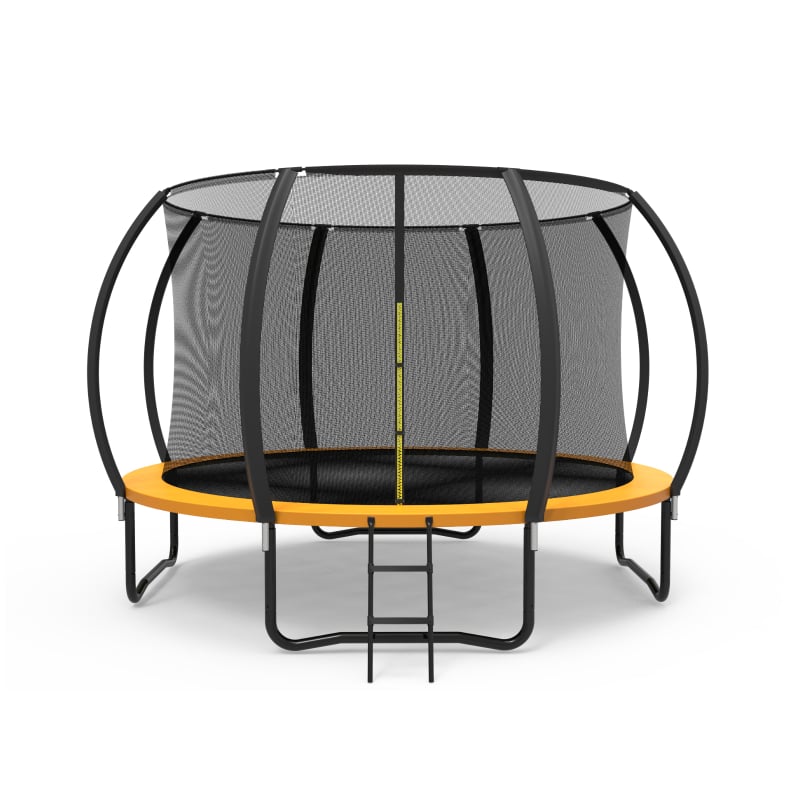
A distributor evaluating rebounder trampoline demand should start by defining the intended buyer: home fitness retailers, studios, online sellers, or institutional customers. Each channel places different weight on portability, durability, presentation, and support. A clear channel plan helps make rebounder trampoline purchasing decisions more consistent and reduces the chance of stocking products that do not suit the customer promise.
Assess product fit before building the offer
Match the format to a defined customer
A rebounder trampoline is generally positioned as a compact exercise option, but that description alone does not establish a strong wholesale opportunity. Distributors should clarify whether buyers seek low-impact movement, space-conscious home equipment, group-class accessories, or an entry-level fitness purchase. The rebounder trampoline range should fit the use case rather than rely on a broad claim that it suits everyone.
Ask prospective accounts what they expect around setup, storage, user guidance, and replacement parts. A rebounder trampoline intended for home use may need approachable instructions and straightforward packaging, while a studio buyer may focus on repeat use and ease of moving equipment between sessions. These conversations help distributors choose a coherent rebounder trampoline assortment instead of accumulating similar products without a distinct role.
Review construction and product information
Wholesale review should examine the frame, jumping surface, connection points, legs, and any included accessories. For each rebounder trampoline, request clear specifications, assembly guidance, material descriptions, care instructions, and applicable safety documentation. Verify that details are consistent across the product page, carton, and sales materials, since mismatched information can create avoidable questions after delivery.
Do not treat a rebounder trampoline as ready for resale solely because its dimensions look appropriate. Confirm the stated user limits and intended use with the manufacturer, and make sure the buyer receives practical instructions for inspection and maintenance. Product information should be precise and supportable; distributors should avoid adding performance promises or safety claims that are not documented.
Check wholesale readiness and landed economics
Evaluate sourcing communication and consistency
A dependable rebounder trampoline wholesale arrangement depends on clear communication before an order is placed. Confirm the available models, order quantities, production or dispatch timelines, carton specifications, customization options, and process for resolving quality concerns. Ask how changes to materials or components will be communicated, so the rebounder trampoline received later remains aligned with the approved specification.
Request samples or representative product evidence when practical, then compare what arrives with the written specifications. For a rebounder trampoline, inspect assembly fit, finish, packaging protection, and clarity of included instructions. Record questions and agreed answers in order documentation. This simple discipline makes repeat purchasing easier and gives sales and service teams a reliable reference if an account raises a concern.
Calculate costs beyond the unit price
The wholesale price is only one part of the rebounder trampoline cost structure. Distributors should include freight, import charges where applicable, storage, handling, damage exposure, payment terms, and channel-specific packaging needs in their landed-cost calculation. A compact item may still have shipping or storage implications, so compare carton dimensions and shipment configuration before setting a resale price.
Plan initial rebounder trampoline quantities against realistic demand signals, not optimistic assumptions. Consider account commitments, seasonal buying patterns, replenishment lead times, and the space available for inventory. Conservative trial orders can help test product acceptance, while reorder points should reflect the actual time needed to receive stock. Build margin around the full cost and service burden, not a headline purchase figure.
Prepare the catalog and support model for resale
Present a clear product story by channel
A useful rebounder trampoline listing answers the questions a buyer is likely to ask: who the product is for, what is included, how it is assembled, how it should be stored, and what care it requires. Provide accurate dimensions and product images, and describe limitations plainly. Distributors can also position a rebounder trampoline alongside adjacent recreation products, provided each item is clearly identified by its intended use.
Tailor rebounder trampoline sales materials to the channel without changing the underlying facts. Retail accounts may need concise shelf or online copy, while fitness businesses may value setup notes and operational guidance. Keep descriptions consistent across catalogs, quotations, and ecommerce pages. Clear presentation helps reduce misunderstandings and allows buyers to compare the product with their own requirements.
Set service expectations and monitor results
Before launch, establish who handles assembly questions, missing components, damage reports, and warranty inquiries. Give account teams the rebounder trampoline specification and a defined route for escalating issues. If replacement parts are available, document how they are identified and ordered. A practical support process reassures business buyers without making promises that the distributor cannot fulfill.
After launch, review rebounder trampoline sales alongside returns, customer questions, damage reports, and reorder behavior. Those signals can reveal whether the product description is unclear, packaging needs attention, or the target channel is a poor fit. Use findings to adjust assortment depth and training before expanding inventory. In wholesale, consistent follow-through is often as important as the product selection itself.
FAQ
What should distributors confirm before placing a rebounder trampoline order?
Confirm specifications, intended use, order quantities, lead times, carton details, documentation, and the process for handling quality concerns. A rebounder trampoline order should also have agreed pricing and delivery terms, so the landed cost and resale plan are based on clear information rather than assumptions.
How can a distributor estimate demand for a rebounder trampoline?
Start with customer interviews, account commitments, channel fit, and any relevant category sales history. Test a measured quantity, then monitor sell-through, questions, returns, and reorder timing. These practical signals help a distributor decide whether rebounder trampoline stock merits expansion or a narrower role in the catalog.
Which product details matter most in a rebounder trampoline listing?
Prioritize dimensions, materials, included components, assembly steps, stated user limits, care guidance, and intended-use information. For a rebounder trampoline, accurate images and accessible instructions also help set expectations. Keep claims aligned with verified documentation and update listings when approved specifications change.