
 EN
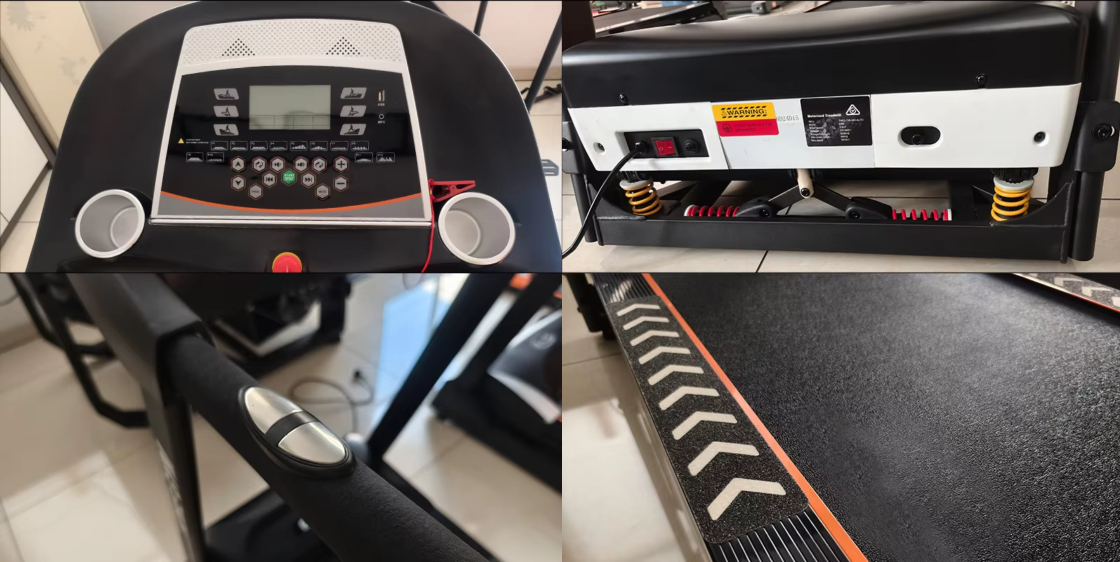
Choosing a walking pad manufacturer for fitness equipment distribution is a sourcing decision, not simply a product search. The right partner should be able to document quality processes, explain product specifications, support repeat orders, and communicate clearly about commercial terms. A walking pad that looks suitable in a listing still needs careful assessment before it becomes part of your range.
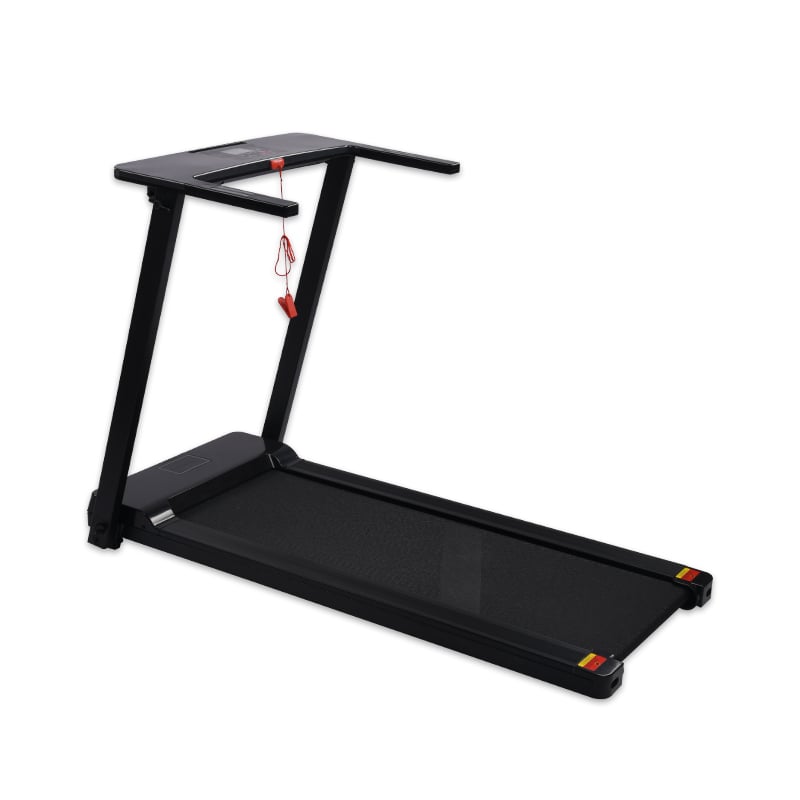
For distributors, reliability means more than receiving an initial shipment on time. The walking pad must match the intended customer and channel, arrive with accurate documentation, and remain supportable as orders grow. Use a structured evaluation that connects product fit, manufacturing controls, delivery planning, and after-sales arrangements. This approach helps you judge whether a walking pad manufacturer can support a sustainable distribution relationship.
Define product and channel requirements first
Match the walking pad to your customer
Before contacting a walking pad manufacturer, clarify who will buy the equipment and where it will be sold. A home-use walking pad may suit online retail, while a product intended for workplace wellness or light commercial settings may need different operating expectations. Identify the user profile, available floor space, storage needs, expected use frequency, and acceptable price position so discussions stay specific.
Ask for the walking pad specifications that directly affect those needs, including dimensions, belt area, speed range, incline options, rated load, motor details, controls, and noise information where available. Confirm which figures describe the product itself and which depend on operating conditions. A walking pad description should be consistent across the specification sheet, sample, packaging, and sales materials before you commit to a range.
Confirm the intended distribution model
A walking pad manufacturer should understand your sales channel because packaging, labeling, order quantities, and service expectations can vary. Explain whether you sell through dealers, ecommerce, physical retail, or a mixed model. Discuss private-label needs only if they are relevant, and establish which party supplies artwork, approves proofs, and checks final packaging for the walking pad before production.
Forecasting also helps establish whether the relationship is practical. Share a realistic opening order and likely reorder pattern rather than relying on an optimistic projection. Ask how the manufacturer handles model changes, seasonal demand, and a walking pad reorder when components or specifications have changed. Clear expectations on minimum order quantities and lead-time assumptions make it easier to compare proposals on equivalent terms.
Verify quality, compliance, and communication
Review evidence of production control
A reliable walking pad manufacturer can explain how quality is checked from incoming components through finished-goods inspection. Ask what inspection stages are used, how defects are recorded, and how corrective actions are followed up. Request relevant documents and sample inspection records where appropriate. The purpose is not to demand a particular template, but to understand whether the walking pad process is repeatable and traceable.
Evaluate a sample against the agreed specification rather than judging appearance alone. Check assembly, controls, belt movement, stability, supplied accessories, and the clarity of user instructions. Record any issues and agree how they will be resolved before a production order. If a walking pad sample differs from the written description, ask for a corrected sample or an updated specification; do not assume the difference will disappear at scale.
Establish market-specific compliance needs
Compliance requirements depend on the destination market, product configuration, and applicable rules. Ask the walking pad manufacturer which conformity documents, test reports, labels, and user warnings are available for the specific model. Then verify that the evidence is relevant to your market and matches the product being offered. Your own compliance review remains important; a general certificate reference is not a substitute for checking scope and validity.
Communication quality is another practical measure of reliability. During evaluation, note whether the walking pad contact answers technical questions directly, flags unknowns, and sends revisions in writing. Confirm who will manage sampling, production updates, inspection coordination, and shipment documents. A consistent point of contact can reduce misunderstandings, especially when a walking pad order involves packaging changes or multiple approval stages.
Assess delivery readiness and ongoing support
Plan capacity, lead times, and order controls
Ask the walking pad manufacturer to explain production capacity in terms relevant to your forecast, including normal lead time, peak-period constraints, and the notice needed for repeat orders. Capacity statements should be discussed alongside actual order conditions. Clarify when lead time begins, how delays are communicated, and whether a walking pad schedule changes if specifications, packaging, or payment milestones are revised.
Before confirming a purchase, align the pro forma details with the approved sample and specification. Define model identifiers, included accessories, carton details, labeling, inspection arrangements, and shipment terms in writing. These controls help prevent differences between the walking pad approved during evaluation and the goods prepared for dispatch. Keep a record of approved documents so both sides can refer to the same version if questions arise.
Check after-sales arrangements and commercial fit
Distribution does not end when the walking pad arrives. Discuss how the manufacturer handles defect reports, spare-part requests, warranty processes, and technical questions, including expected response routes and required evidence. Ask which parts can be supplied and how they are identified. Well-defined procedures help your team respond consistently to customers without implying that every issue will have the same cause or resolution.
Compare the full commercial picture, not just the quoted unit price. Include packaging, freight assumptions, inspection costs, payment terms, replacement-part availability, and the resources needed to support the walking pad after sale. Choose a partner whose operating approach fits your service capacity and risk tolerance. If key terms remain unclear, pause and resolve them before placing a larger order or promising availability to customers.
FAQ
What documents should a walking pad manufacturer provide?
Request a current specification, relevant compliance evidence, product and packaging details, and written order terms. For a walking pad, check that documents identify the model being supplied and correspond to its actual configuration. Depending on your market, you may also need test reports, labeling information, inspection records, or user instructions. Confirm the requirements with your compliance adviser before relying on any document.
Should distributors test a walking pad sample?
Yes. A sample helps you compare the physical walking pad with the claims and specifications provided during sourcing. Assess operation, assembly, controls, stability, included components, and instructions against your intended use. Document any differences and obtain agreement on corrective action. Sampling does not replace production inspection, but it gives both parties a defined reference before the order moves forward.
How can I assess a manufacturer before a large order?
Start with a small, clearly specified walking pad order or a sample process, then evaluate communication, documentation, consistency, and delivery performance against agreed expectations. Keep approval records and raise discrepancies promptly. A measured first transaction can reveal whether the walking pad manufacturer follows through on commitments and provides workable after-sales support before you expand order volume.