
 EN
EN
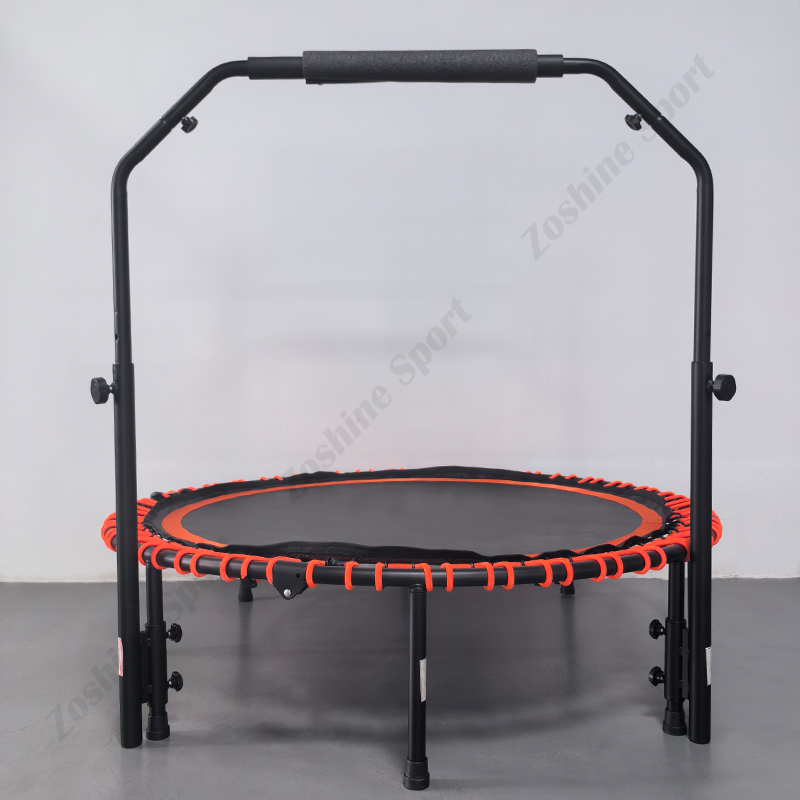
The safety and durability of round trampolines depend entirely on the rigorous testing protocols implemented during manufacturing. Every day, countless families trust these recreational devices to provide hours of safe entertainment, making comprehensive quality assurance an absolute necessity. Professional manufacturers understand that round trampolines must withstand extreme weather conditions, repetitive bouncing forces, and varying weight loads while maintaining structural integrity. The testing procedures implemented across the industry have evolved significantly over the past decade, incorporating advanced materials science and engineering principles to ensure maximum safety standards.
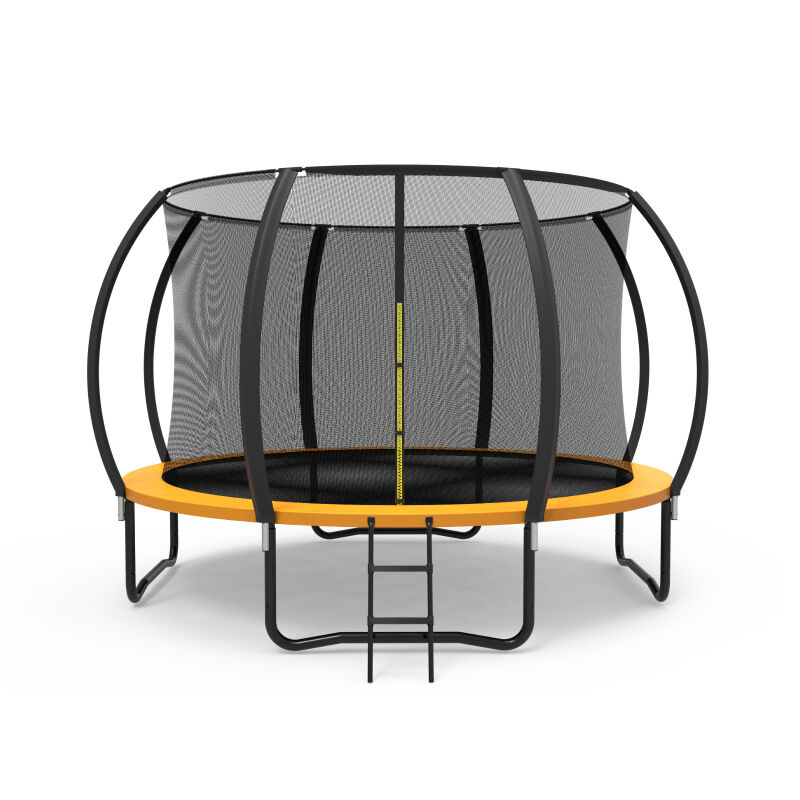
Frame Integrity and Structural Testing
Galvanization and Rust Prevention Analysis
The frame represents the foundational component of round trampolines, requiring extensive testing to verify galvanization quality and corrosion resistance. Quality control teams conduct daily salt spray tests that simulate years of outdoor exposure in accelerated timeframes. These tests expose frame sections to concentrated saline solutions for predetermined periods, typically ranging from 72 to 240 hours depending on the intended warranty period. The galvanization thickness is measured using magnetic induction gauges at multiple points across each frame section to ensure uniform coating distribution.
Advanced spectroscopy analysis verifies the zinc coating composition and adherence strength to the underlying steel substrate. Manufacturing facilities employ standardized ASTM testing protocols that measure galvanization performance under various temperature and humidity conditions. The testing data collected helps engineers optimize the galvanization process and identify potential weak points before products reach consumers. Regular calibration of testing equipment ensures consistent accuracy across all measurement systems used in the evaluation process.
Weld Joint Strength and Durability Assessment
Every weld joint on round trampolines undergoes systematic strength testing using both destructive and non-destructive evaluation methods. Ultrasonic testing equipment scans weld seams to detect internal flaws, porosity, or incomplete fusion that could compromise structural integrity. Tensile testing machines apply controlled forces to welded frame sections until failure occurs, establishing maximum load capacities with appropriate safety margins. The data collected from these tests informs design modifications and helps establish proper weight limits for different trampoline models.
Fatigue testing simulates repetitive loading cycles that mimic years of normal usage patterns in compressed testing periods. Hydraulic systems apply oscillating forces to frame joints while monitoring crack propagation and deformation patterns. Temperature cycling tests evaluate weld performance under thermal expansion and contraction conditions typical of seasonal weather variations. Quality engineers document all test results in comprehensive databases that track performance trends and identify opportunities for continuous improvement in manufacturing processes.
Spring System Performance Evaluation
Individual Spring Load Testing
Each spring used in round trampolines undergoes individual load testing to verify consistent performance characteristics across entire production batches. Specialized compression testing equipment measures spring rates, maximum compression distances, and elastic recovery properties under standardized loading conditions. Quality control technicians record load-deflection curves for statistical analysis, ensuring that spring performance falls within specified tolerance ranges. Any springs exhibiting irregular performance characteristics are immediately removed from production inventory and subjected to detailed failure analysis.
Endurance testing subjects springs to millions of compression cycles using automated testing equipment that simulates extended usage periods. The testing protocol monitors spring height retention, load capacity degradation, and potential coil separation over predetermined cycle counts. Surface finish quality is evaluated through visual inspection and coating thickness measurements to ensure adequate corrosion protection. Temperature stability testing verifies spring performance under extreme hot and cold conditions that round trampolines may encounter during outdoor storage.
Complete Spring Assembly Integration
Beyond individual component testing, complete spring assemblies undergo comprehensive integration testing to evaluate system-level performance. Dynamic bounce testing uses calibrated weights and drop mechanisms to measure energy transfer efficiency and rebound characteristics. The testing protocol evaluates how effectively the spring system distributes loading forces across the entire frame structure. High-speed cameras capture detailed motion analysis data that helps engineers optimize spring placement and attachment methods.
Safety testing includes deliberate overload scenarios where spring systems are subjected to forces exceeding normal usage parameters. These tests verify that round trampolines fail in predictable, controlled manners rather than catastrophic collapse modes. Progressive loading tests establish clear safety thresholds while maintaining adequate performance margins for normal recreational use. Documentation of all test results contributes to ongoing design improvements and helps establish appropriate user guidelines.
Jumping Mat Durability and Safety Testing
Material Strength and UV Resistance
The jumping surface of round trampolines requires extensive testing to verify material durability under various environmental conditions. UV exposure testing uses accelerated weathering chambers that subject mat materials to concentrated ultraviolet radiation equivalent to years of outdoor sun exposure. Tensile strength measurements track material degradation over time, ensuring that mats maintain adequate strength throughout their expected service life. Color stability testing monitors fabric appearance changes that could indicate material breakdown or reduced performance capability.
Abrasion resistance testing simulates the wear patterns created by repeated foot contact and friction during normal bouncing activities. Standardized testing equipment subjects mat samples to controlled rubbing cycles while monitoring fiber breakdown and surface deterioration. Tear propagation tests evaluate how existing small tears or punctures might expand under loading conditions. These comprehensive material evaluations help manufacturers select optimal fabric compositions and weaving patterns for maximum durability in round trampolines applications.
Attachment Point Stress Analysis
The connection points between jumping mats and spring systems represent critical stress concentration areas requiring detailed evaluation. Load distribution testing measures how forces transfer from the mat fabric to individual attachment points during bouncing activities. Specialized fixtures apply controlled loads to simulate user weights and dynamic forces while monitoring stress patterns across attachment zones. Finite element analysis software helps predict stress concentrations and optimize reinforcement strategies for high-load areas.
Cyclic loading tests subject attachment points to millions of loading cycles that replicate extended usage patterns. Quality engineers monitor attachment point deformation, stitching integrity, and reinforcement effectiveness throughout these endurance evaluations. Environmental testing exposes attached assemblies to temperature cycling, moisture exposure, and UV radiation to verify long-term performance under outdoor conditions. The comprehensive data collected helps establish maintenance recommendations and replacement schedules for optimal safety performance.
Safety Enclosure and Padding Assessment
Net Barrier Impact Testing
Safety enclosures for round trampolines undergo rigorous impact testing using standardized test masses and controlled collision scenarios. Pendulum impact testing simulates users bouncing into net barriers at various angles and velocities to verify containment effectiveness. High-speed photography captures deformation patterns and energy absorption characteristics during impact events. The testing protocol evaluates both the net material properties and the support pole attachment systems under realistic loading conditions.
Durability testing subjects enclosure systems to repetitive impact cycles that simulate extended usage periods with multiple family members. Weather resistance evaluation exposes net materials to accelerated aging conditions including UV exposure, temperature cycling, and moisture infiltration. Tear resistance testing evaluates how small damage might propagate under continued use, helping establish inspection and replacement guidelines. Quality control teams document all performance data to support continuous improvement in enclosure design and materials selection.
Padding Density and Coverage Evaluation
Protective padding systems undergo comprehensive testing to verify adequate coverage and impact absorption characteristics. Foam density measurements ensure consistent protective properties across all padding components used on round trampolines. Impact attenuation testing uses drop-weight apparatus to measure energy absorption capacity under controlled collision conditions. The testing evaluates padding performance across a range of impact energies and contact areas that users might encounter during normal activities.
Weather resistance testing exposes padding materials to accelerated aging conditions including moisture absorption, freeze-thaw cycling, and UV radiation exposure. Compression set testing measures how padding materials recover from sustained loading that might occur during storage or transportation. Surface durability evaluation subjects padding covers to abrasion and puncture resistance testing to ensure adequate protection throughout expected service life. Documentation of all test results helps manufacturers optimize padding design and establish appropriate replacement recommendations.
Environmental and Weather Resistance Testing
Temperature Cycling Performance
Round trampolines must perform reliably across wide temperature ranges encountered during outdoor storage and use. Environmental chambers subject complete assemblies to temperature cycling between extreme hot and cold conditions while monitoring component performance. The testing protocol evaluates material expansion and contraction effects on joint integrity, spring performance, and mat tension. Thermal shock testing applies rapid temperature changes to identify potential failure modes related to differential thermal expansion.
Cold temperature testing verifies that round trampolines maintain adequate flexibility and strength characteristics during winter conditions. Brittle fracture testing identifies minimum operating temperatures for safe use and storage. Heat aging evaluation subjects materials to elevated temperatures that simulate extreme summer conditions and long-term thermal exposure. Quality engineers document performance changes across temperature ranges to establish appropriate operating guidelines and seasonal maintenance recommendations.
Moisture and Corrosion Resistance
Comprehensive moisture testing evaluates how round trampolines perform under various wet conditions including rain, snow, and high humidity environments. Water immersion testing subjects components to prolonged soaking while monitoring material degradation and corrosion progression. Freeze-thaw cycling simulates ice formation effects on frame joints, spring attachments, and fabric materials. The testing protocol identifies potential failure modes related to water infiltration and helps optimize drainage and protective coating systems.
Salt spray testing exposes metal components to accelerated corrosion conditions that simulate coastal environments and winter road salt exposure. Electrochemical corrosion analysis measures galvanization effectiveness and identifies optimal protective coating systems. Humidity chamber testing evaluates material performance under sustained high-moisture conditions that promote mold, mildew, and degradation. Regular monitoring throughout these extended test periods helps establish appropriate maintenance schedules and protective treatment recommendations for various environmental conditions.
FAQ
How often should round trampolines undergo professional inspection
Professional inspection of round trampolines should occur annually at minimum, with more frequent evaluations recommended for heavily used units or those exposed to severe weather conditions. Qualified technicians can identify potential safety issues including frame corrosion, spring fatigue, mat wear, and enclosure deterioration before they become serious hazards. Many manufacturers provide detailed inspection checklists and training materials to help owners conduct basic safety evaluations between professional inspections.
What specific load limits apply to different sizes of round trampolines
Load limits for round trampolines vary significantly based on frame diameter, spring configuration, and overall design specifications established through extensive testing protocols. Most residential models support maximum user weights between 200-400 pounds, while commercial-grade units may accommodate higher loads. Manufacturers establish these limits through systematic overload testing that includes appropriate safety margins, and exceeding recommended weight limits can result in premature component failure or safety hazards.
How do weather conditions affect the lifespan of round trampolines
Environmental conditions significantly impact round trampolines longevity, with UV exposure, temperature extremes, and moisture representing primary degradation factors. Proper maintenance including seasonal disassembly, protective covers, and regular cleaning can extend service life considerably. Quality testing demonstrates that well-maintained units in moderate climates may provide 8-12 years of safe operation, while those in harsh environments might require replacement or major component updates within 5-7 years.
What maintenance procedures help ensure continued safety performance
Regular maintenance of round trampolines includes monthly visual inspections, quarterly detailed component evaluations, and annual professional assessments. Key maintenance tasks include cleaning debris from frames and mats, checking spring attachment security, monitoring enclosure integrity, and verifying padding condition. Proper storage during severe weather conditions and prompt repair of minor damage helps prevent more serious safety issues from developing over time.